Vision 2030: The 2025 report confirms the success of Saudi Arabia's economic transformation

The Kingdom of Saudi Arabia has released its annual Vision 2030 report for 2025, revealing significant progress in its comprehensive national transformation journey. As the Vision enters its third and final phase, extending to 2030, the figures highlight an inspiring success story, with 93% of its performance indicators achieved, reflecting meticulous implementation and a firm commitment to its ambitious goals.
Historical background and context for launching the vision
Saudi Vision 2030 was launched on April 25, 2016, under the leadership of Crown Prince Mohammed bin Salman, as a roadmap for the Kingdom's future. The Vision emerged as a strategic response to the need to diversify the national economy and reduce its reliance on oil as the primary source of income. It is based on three main pillars: building a vibrant society, a thriving economy, and an ambitious nation. Since its launch, the Vision's realization programs have launched hundreds of initiatives encompassing all sectors, from the economy and society to the development of government services and infrastructure.
Tangible achievements on the ground
According to the report, out of 1,290 activated initiatives, 935 have been fully completed, while another 225 are on track, meaning that approximately 90% of the initiatives are either completed or progressing as planned. Regarding performance indicators, out of 390 activated indicators, 309 have met or exceeded their targets, confirming the effectiveness of the implementation plans and the regular monitoring process.
Unprecedented economic growth and diversification
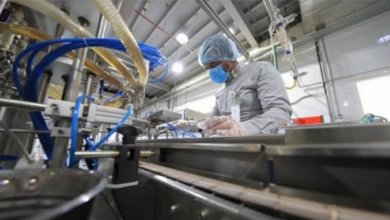
The report reflects a remarkable success in the economic transformation process, with real GDP growing by 4.5% compared to 2024, the highest annual growth rate in three years. For the first time, non-oil activities now account for more than half of the national economy, a pivotal achievement confirming the success of the economic diversification strategy. This growth has been reflected in non-oil exports, which have reached record levels, supported by the development of the industrial sector and logistics infrastructure, thus enhancing the Kingdom's ranking in the Global Competitiveness Index.
The impact of the vision on society and quality of life
The Vision's achievements were not limited to the economic sphere; its positive impact extended directly to the lives of citizens. The unemployment rate among Saudis fell to 7.2% by the end of 2025, compared to 12.3% in 2016, as a result of the growth of promising economic sectors and labor market reforms. The percentage of Saudi families owning their homes also increased, as did the rate of physical activity among the population, and efforts to digitize government services continued to facilitate the lives of citizens and residents.
Regional and international importance
The achievements of Vision 2030 extend far beyond national borders, reinforcing the Kingdom's position as a leading economic power in the region and a model for national transformation. These successes also enhance the Kingdom's attractiveness to foreign direct investment and support its mega-projects such as NEOM, the Red Sea Project, and Qiddiya. This progress has garnered international recognition, with major global credit rating agencies such as Moody's, Fitch, and Standard & Poor's maintaining their positive ratings on Saudi sovereign debt with a stable outlook, reflecting international confidence in the strength of the Saudi economy and the success of its reform plans.