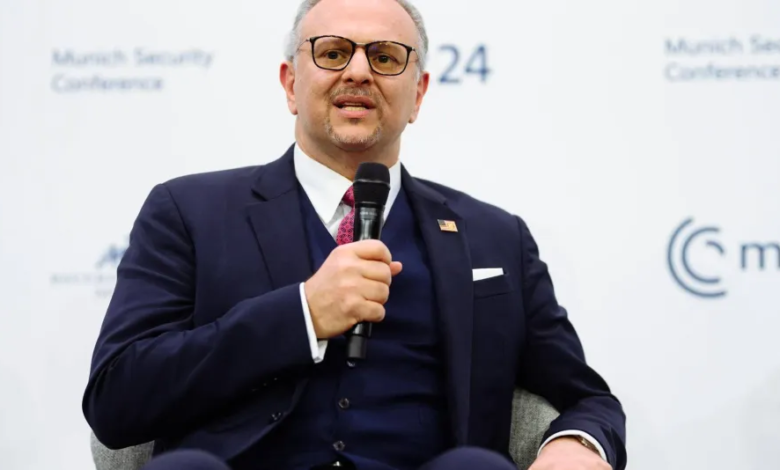

في تصريح حصري لصحيفة «الشرق الأوسط»، أكد أحد كبار مستشاري الرئيس الأمريكي السابق دونالد ترمب أن الإدارة الأمريكية المحتملة في حال فوزه بالانتخابات ترى أن الحل للأزمة السودانية لا يمكن أن يكون عسكرياً، مشدداً على ضرورة تبني مسار دبلوماسي شامل يجمع كافة الأطراف لإنهاء الصراع المدمر الذي يعصف بالبلاد منذ أكثر من عام.
وأوضح المستشار، الذي فضل عدم الكشف عن هويته في الوقت الحالي، أن أي محاولة لفرض حل عسكري من قبل أي من طرفي النزاع، الجيش السوداني بقيادة الفريق أول عبد الفتاح البرهان أو قوات الدعم السريع بقيادة الفريق محمد حمدان دقلو (حميدتي)، لن تؤدي إلا إلى مزيد من إراقة الدماء وتعميق الكارثة الإنسانية وتفكيك الدولة السودانية. وأضاف أن السياسة الخارجية لإدارة ترمب المحتملة ستركز على دعم المفاوضات الجادة التي تهدف إلى تشكيل حكومة مدنية انتقالية تمثل تطلعات الشعب السوداني.
خلفية الصراع وتداعياته
لفهم أبعاد هذا التصريح، لا بد من العودة إلى جذور الأزمة التي اندلعت في 15 أبريل 2023. لم يكن الصراع وليد لحظته، بل هو نتاج تراكمات وتوترات سياسية عميقة أعقبت الإطاحة بنظام عمر البشير في عام 2019. كان البرهان وحميدتي حليفين رئيسيين في المجلس العسكري الذي تولى السلطة، لكن الخلافات حول عملية دمج قوات الدعم السريع في الجيش وهيكلة القيادة العسكرية والأمنية، بالإضافة إلى الصراع على النفوذ والموارد، أدت إلى انفجار الوضع وتحوله إلى حرب مفتوحة في العاصمة الخرطوم ومدن أخرى.
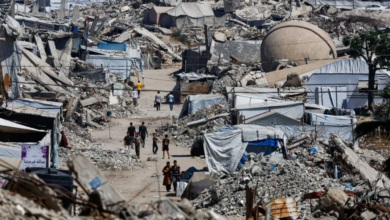
منذ اندلاعه، خلف الصراع آلاف القتلى وملايين النازحين واللاجئين، مما تسبب في أسوأ أزمة نزوح داخلي في العالم. كما أدى إلى انهيار شبه كامل للقطاع الصحي والبنية التحتية، ودفع بملايين السودانيين إلى حافة المجاعة، في كارثة إنسانية وصفتها الأمم المتحدة بأنها “ذات أبعاد أسطورية”.
أهمية الموقف وتأثيره المحتمل
يكتسب هذا الموقف أهمية خاصة لكونه يصدر من دائرة مقربة من مرشح رئاسي بارز، مما يقدم لمحة عن التوجهات المحتملة للسياسة الأمريكية تجاه واحدة من أعقد الأزمات في أفريقيا والشرق الأوسط. على الصعيد المحلي، قد يمثل هذا التصريح رسالة إلى طرفي الصراع بأن الدعم الخارجي لأي حل عسكري سيكون محدوداً، مما قد يدفعهما إلى إعادة تقييم استراتيجياتهما والعودة إلى طاولة المفاوضات.
إقليمياً، يضع هذا الموقف ضغطاً إضافياً على القوى الإقليمية المنخرطة في الملف السوداني، مثل مصر والمملكة العربية السعودية والإمارات، لتوحيد جهودها الدبلوماسية ودعم المبادرات السلمية، مثل منبر جدة. أما دولياً، فيعكس التصريح إجماعاً متزايداً بين القوى الكبرى على أن استمرار الحرب يهدد استقرار منطقة القرن الأفريقي والبحر الأحمر بأكملها، ويفتح الباب أمام تمدد نفوذ الجماعات المتطرفة والتدخلات الخارجية السلبية. إن التأكيد على الحل الدبلوماسي من قبل شخصية مؤثرة في السياسة الأمريكية يعزز من فرص بناء جبهة دولية موحدة للضغط من أجل السلام في السودان.