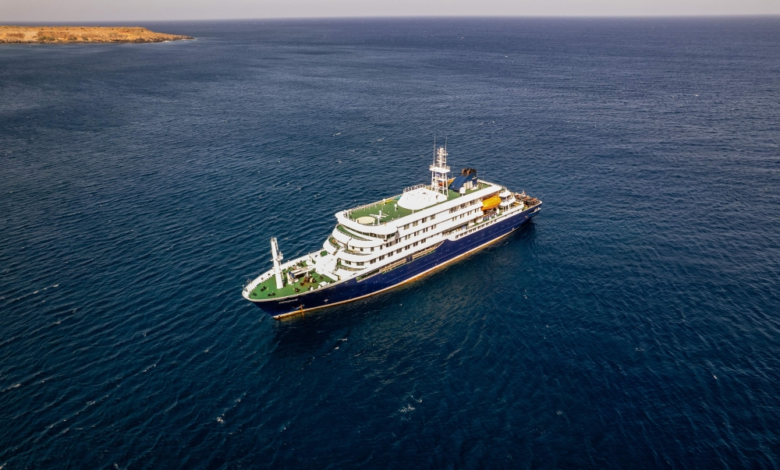

تأكيد رسمي من منظمة الصحة العالمية
أعلنت منظمة الصحة العالمية عن رصد 5 إصابات مؤكدة بـفيروس هانتا، وذلك من بين 8 حالات مشتبه بها تم الإبلاغ عنها عقب تفشي المرض على متن سفينة سياحية. وفي مؤتمر صحفي عُقد في جنيف، صرّح المدير العام للمنظمة، تيدروس أدهانوم غيبريسوس، بأن الوضع قيد المتابعة الدقيقة، محذراً من أن “تسجيل حالات إضافية يظل أمراً ممكناً”. وأوضح غيبريسوس أن من بين الحالات الثماني المشتبه بها، تم تسجيل ثلاث وفيات، وقد ثبت أن خمس حالات من أصل الثمانية ناجمة عن فيروس هانتا، بينما لا تزال الحالات الثلاث الأخرى قيد التحقيق. ويأتي هذا التحذير نظراً لطول فترة حضانة الفيروس، التي قد تمتد إلى ستة أسابيع، مما يفتح الباب أمام احتمالية ظهور إصابات جديدة بين المخالطين للحالات الأولية.
ما هو فيروس هانتا؟ السياق العام والخلفية التاريخية
فيروس هانتا ليس فيروساً جديداً، بل هو مجموعة من الفيروسات التي تنتشر بشكل أساسي عن طريق القوارض، مثل الفئران والجرذان. تم اكتشاف الفيروس لأول مرة خلال الحرب الكورية في خمسينيات القرن الماضي، وسُمي بهذا الاسم نسبةً إلى نهر “هان تان” في كوريا الجنوبية، حيث أصيب عدد كبير من الجنود الأمريكيين بمرض غامض تبيّن لاحقاً أنه ناجم عن هذا الفيروس. تنتقل العدوى إلى البشر بشكل رئيسي عبر استنشاق رذاذ يحتوي على الفيروس من بول أو براز أو لعاب القوارض المصابة. كما يمكن أن تحدث العدوى عند لمس الأسطح الملوثة ثم لمس العينين أو الأنف أو الفم، أو من خلال عضة قارض مصاب. ومن المهم الإشارة إلى أن انتقال العدوى من إنسان إلى آخر نادر جداً، مما يجعله مختلفاً جذرياً عن فيروسات مثل كورونا التي تنتشر بسهولة بين البشر.
الأهمية والتأثير المتوقع: أعراض ومخاطر
يثير تفشي فيروس هانتا القلق نظراً لخطورة الأمراض التي يسببها. هناك نوعان رئيسيان من الأمراض المرتبطة بفيروس هانتا: متلازمة فيروس هانتا الرئوية (HPS)، والتي تنتشر في الأمريكتين، والحمى النزفية مع المتلازمة الكلوية (HFRS)، وهي الأكثر شيوعاً في أوروبا وآسيا. تبدأ الأعراض الأولية عادةً بشكل مشابه للإنفلونزا، وتشمل الحمى، وآلام العضلات الشديدة، والصداع، والإرهاق. في حالة متلازمة فيروس هانتا الرئوية، تتطور الأعراض بسرعة بعد أيام قليلة لتشمل السعال وصعوبة حادة في التنفس نتيجة تراكم السوائل في الرئتين، وتصل نسبة الوفيات في هذه الحالة إلى حوالي 38%، مما يجعلها حالة طبية طارئة. أما الحمى النزفية، فتؤثر بشكل أساسي على الكلى وقد تؤدي إلى فشل كلوي حاد. لا يوجد علاج نوعي أو لقاح محدد لفيروس هانتا حتى الآن، ويعتمد العلاج على الرعاية الداعمة في المستشفى، خاصة دعم الجهاز التنفسي والكلى.
إجراءات الوقاية والسيطرة
نظراً لأن القوارض هي الناقل الرئيسي، فإن الوقاية من فيروس هانتا ترتكز على مكافحة القوارض وتجنب التعرض لها. تشمل الإجراءات الوقائية سد الثقوب والشقوق في المنازل لمنع دخول الفئران، وتخزين الطعام في حاويات محكمة الإغلاق، وتنظيف الأماكن التي قد تتواجد فيها القوارض بحذر شديد، وذلك عن طريق ارتداء القفازات والأقنعة واستخدام المطهرات لترطيب الأماكن الملوثة قبل تنظيفها لتجنب تطاير الغبار الحامل للفيروس. إن الإعلان الأخير من منظمة الصحة العالمية يسلط الضوء على أهمية اليقظة الصحية العالمية المستمرة، حتى في وجه فيروسات معروفة، خاصة في البيئات المغلقة مثل السفن السياحية التي يمكن أن تسهل تفشي الأمراض.