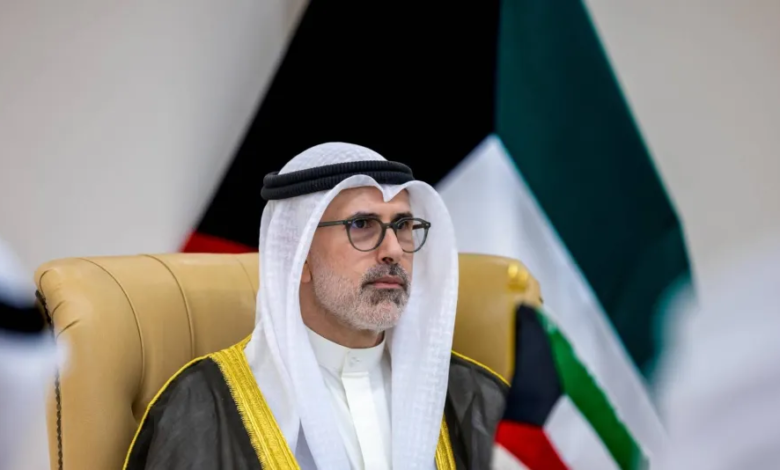

تصريحات وزير الخارجية الكويتي بشأن التدخلات الإيرانية
في تصعيد دبلوماسي يعكس حجم التوترات المتراكمة في منطقة الشرق الأوسط، أكد وزير الخارجية الكويتي في تصريحات حازمة أن إيران تقود نمطاً ممنهجاً لزعزعة الاستقرار الإقليمي. تأتي هذه التصريحات في وقت تشهد فيه المنطقة تحديات أمنية وسياسية غير مسبوقة، مما يستدعي وقفة جادة من قبل المجتمع الدولي ودول مجلس التعاون الخليجي لحماية الأمن القومي العربي. وتعتبر هذه التصريحات انعكاساً للموقف الكويتي والخليجي الموحد الرافض لأي تدخلات خارجية في الشؤون الداخلية للدول العربية، والمطالب باحترام سيادة الدول.
السياق العام والخلفية التاريخية للعلاقات الخليجية الإيرانية
تاريخياً، اتسمت العلاقات بين دول مجلس التعاون الخليجي وإيران بفترات من الشد والجذب، حيث طالما عبرت الدول الخليجية، ومن ضمنها دولة الكويت، عن قلقها العميق إزاء السياسات الإيرانية في المنطقة. وتتعدد ملفات الخلاف بين الطرفين، بدءاً من التدخلات الإيرانية المستمرة في الشؤون الداخلية لعدد من الدول العربية مثل اليمن وسوريا ولبنان والعراق، وصولاً إلى دعم الميليشيات المسلحة التي تهدد أمن واستقرار الحكومات الشرعية وتخلق بؤراً للتوتر المستدام.
علاوة على ذلك، يبرز ملف “حقل الدرة” الغازي كأحد أبرز القضايا الحديثة التي أثارت التوتر بين الكويت والمملكة العربية السعودية من جهة، وإيران من جهة أخرى. فقد أكدت الكويت والسعودية مراراً وتكراراً أن الحقوق الطبيعية والثروات في المنطقة المغمورة المقسومة، بما فيها حقل الدرة بكامله، هي ملكية حصرية للدولتين فقط، وفقاً للقانون الدولي والاتفاقيات الثنائية المبرمة، وهو ما ترفضه طهران، مما يزيد من تعقيد المشهد السياسي ويدفع نحو مزيد من الحذر الدبلوماسي والتمسك بالحقوق السيادية.
أهمية الحدث وتأثيره المتوقع على المستويات المختلفة
تحمل تصريحات وزير الخارجية الكويتي أبعاداً استراتيجية بالغة الأهمية، ويمكن تقسيم تأثيراتها المتوقعة إلى عدة مستويات رئيسية:
- التأثير المحلي والإقليمي: تعزز هذه التصريحات من التلاحم الخليجي وتؤكد على وحدة الموقف والمصير المشترك لدول مجلس التعاون. كما أنها توجه رسالة واضحة بضرورة احترام سيادة الدول وحسن الجوار، وهو المبدأ الذي طالما نادت به الكويت في كافة المحافل الدولية. إقليمياً، قد تدفع هذه التصريحات جامعة الدول العربية إلى اتخاذ مواقف أكثر صرامة وحزماً تجاه السياسات التوسعية التي تهدد استقرار المنطقة.
- التأثير الدولي والأمن البحري: تعتبر منطقة الخليج العربي شرياناً حيوياً للاقتصاد العالمي، حيث يمر عبر مضيق هرمز نسبة كبيرة من إمدادات النفط والغاز العالمية. أي تهديد أو زعزعة للاستقرار في هذه المنطقة ينعكس بشكل مباشر وسريع على أسواق الطاقة العالمية. لذلك، فإن تسليط الضوء على “النمط الممنهج” لزعزعة الاستقرار يضع القوى الكبرى والمجتمع الدولي أمام مسؤولياتهم القانونية والأخلاقية لضمان حرية الملاحة وحماية خطوط التجارة الدولية من أي تهديدات محتملة.
المطالبة بالالتزام بالقانون الدولي وحسن الجوار
في خضم هذه التوترات الجيوسياسية، تبقى الدبلوماسية الكويتية متمسكة بمبادئها الراسخة التي تدعو إلى حل النزاعات بالطرق السلمية والالتزام بمواثيق الأمم المتحدة. إن مطالبة إيران بتغيير سلوكها الإقليمي لا تعني بالضرورة إغلاق باب الحوار، بل هي دعوة صريحة لتأسيس علاقات مبنية على الاحترام المتبادل، وعدم التدخل في الشؤون الداخلية، والالتزام الصارم بمبادئ حسن الجوار. إن استقرار منطقة الشرق الأوسط ليس مطلباً إقليمياً فحسب، بل هو ضرورة استراتيجية للأمن والسلم الدوليين، مما يحتم على جميع الأطراف الفاعلة العمل بجدية لنزع فتيل الأزمات وتغليب لغة العقل والقانون الدولي.