
مقدمة: انفراجة سياسية وميدانية
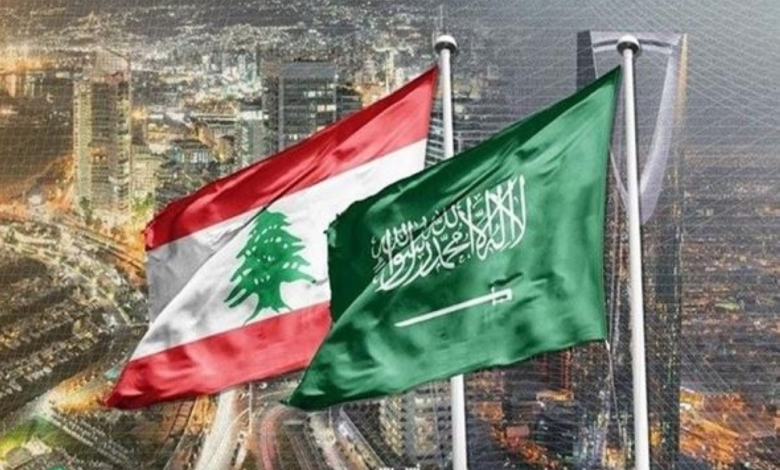
يستمر اتفاق وقف إطلاق النار في لبنان، الذي تم إعلانه مؤخراً لمدة 10 أيام، في تقديم بصيص أمل للبنانيين بعد أسابيع من التصعيد العسكري العنيف. وجاء هذا الإعلان ودخوله حيز التنفيذ كثمرة لجهود دبلوماسية سعودية حثيثة، قادتها المملكة العربية السعودية عبر تواصل مكثف مع مختلف الأطراف اللبنانية، الإقليمية، والدولية المعنية. وقد حرصت الرياض من خلال هذه التحركات على حقن الدماء، وقف التصعيد العسكري، وإنهاء القصف الإسرائيلي الذي طال الأراضي اللبنانية وتسبب في خسائر بشرية ومادية فادحة، فضلاً عن موجات نزوح واسعة أثقلت كاهل الداخل اللبناني.
السياق التاريخي: المملكة واتفاق الطائف
لا يمكن فصل هذا الإنجاز الدبلوماسي عن السياق التاريخي الطويل للدعم السعودي للبنان. فالمملكة كانت دائماً صمام الأمان للدولة اللبنانية، ولعل أبرز محطاتها التاريخية رعايتها لـ “اتفاق الطائف” عام 1989، الذي أنهى 15 عاماً من الحرب الأهلية اللبنانية وأسس لمرحلة من السلم الأهلي. واليوم، تعيد الدبلوماسية السعودية التأكيد على ضرورة التمسك بهذا الاتفاق كإطار ضامن لاستقرار لبنان ووحدته الوطنية، مشددة على أن الحلول المستدامة تبدأ من احترام الدستور والمؤسسات الشرعية ورفض التدخلات الخارجية التي تؤجج الصراعات.
تمكين الجيش اللبناني وحماية السيادة
في خضم هذه التطورات، ركزت جهود المملكة على الداخل اللبناني، حيث عملت مع مختلف المكونات للوصول إلى أرضية مشتركة. وتشدد السعودية دائماً على الدور الوطني المحوري الذي يقوم به الجيش اللبناني في حفظ أمن لبنان واستقراره. وتعتبر المملكة أن المؤسسة العسكرية هي الركيزة الأساسية لتمكين الدولة اللبنانية من بسط سيادتها على كامل أراضيها، وبدء خطوات تضمن مستقبلاً آمناً للشعب اللبناني الشقيق بعيداً عن هيمنة الميليشيات. كما تؤكد المملكة على ضرورة الالتزام بتطبيق القرارات الدولية ذات الصلة، وفي مقدمتها القرار 1701، لحماية سيادة لبنان واستقلاله ومنع أي خروقات مستقبلية.
التأثير المتوقع: محلياً، إقليمياً، ودولياً
يحمل اتفاق وقف إطلاق النار أهمية بالغة على عدة مستويات. محلياً، يمنح الاتفاق فرصة لالتقاط الأنفاس، وإيصال المساعدات الإنسانية والإغاثية للمتضررين، والبدء في تقييم الأضرار تمهيداً لعودة النازحين إلى قراهم. إقليمياً، يسهم هذا التهدئة في نزع فتيل أزمة كادت أن تجر منطقة الشرق الأوسط بأكملها إلى حرب إقليمية شاملة، خاصة في ظل التوترات المستمرة. دولياً، يمهد الاتفاق لمرحلة جديدة من المساعي الدبلوماسية الدولية المبذولة لاستعادة الأمن والاستقرار، ويتماشى مع الرغبة العالمية في تغليب لغة الحوار والحلول السلمية المستدامة.
تقدير لبناني واسع للقيادة السعودية
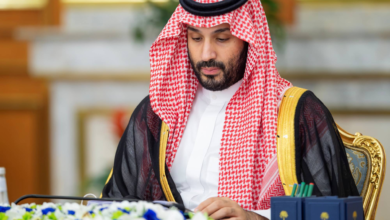
انطلقت المساعي السعودية من مواقفها الثابتة بالوقوف إلى جانب الشعب اللبناني الشقيق في أحلك الظروف. وقد حظيت هذه الجهود بتقدير لافت من المسؤولين والشخصيات السياسية والإعلامية اللبنانية، وقبولاً من الأطراف الإقليمية. وعكست الإشادات اللبنانية، بما في ذلك تصريحات القيادات العسكرية والسياسية وعلى رأسهم قائد الجيش اللبناني العماد جوزاف عون، حجم الدور السعودي الفاعل والمؤثر. وقد وُصفت جهود سمو ولي العهد السعودي بأنها “حكيمة ومتوازنة”، حيث وفرت أجواء إيجابية لدعم الاستقرار، مع التأكيد على أن هذه الوقفة الأخوية ستظل موضع تقدير واعتزاز في وجدان كل لبناني يبحث عن السلام وبناء الدولة.