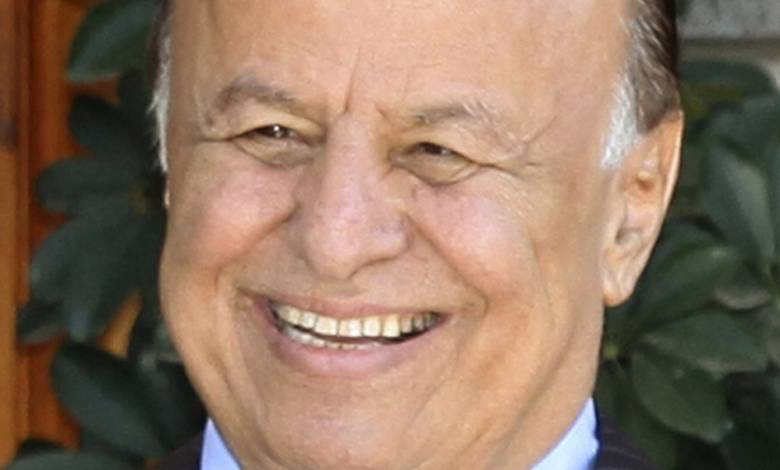

يمثل الرئيس اليمني السابق عبدربه منصور هادي، الذي رحل عن عمر ناهز الثمانين عامًا، شخصية محورية في تاريخ اليمن المعاصر، حيث ارتبطت مسيرته الطويلة بأبرز التحولات السياسية والعسكرية التي شهدتها البلاد. ترك هادي بصمة واضحة في واحدة من أكثر المراحل تعقيدًا، سواء بصفته قائدًا عسكريًا تدرج في مؤسسات الدولة، أو رئيسًا قاد اليمن وسط تحديات استثنائية فرضتها الظروف السياسية والأمنية المتشابكة.
وُلد هادي في الأول من سبتمبر عام 1945 بقرية ذكين في محافظة أبين، وبدأ مسيرته العسكرية مبكرًا بعد تخرجه في مدرسة جيش محمية عدن العسكرية عام 1964. حرص خلال سنوات خدمته على صقل خبراته العسكرية عبر دورات وبعثات تدريبية في بريطانيا ومصر وروسيا، حيث حصل على درجة الماجستير في العلوم العسكرية، الأمر الذي أسهم في بناء شخصيته القيادية وأعدّه لتولي مواقع متقدمة داخل المؤسسة العسكرية.
الانتقال إلى سدة الحكم في مرحلة دقيقة
برز اسم عبدربه منصور هادي على الساحة السياسية بشكل كبير بعد قيام الوحدة اليمنية عام 1990، حيث كان من ضمن القيادات الجنوبية التي انخرطت في مؤسسات الدولة الجديدة. وبعد حرب صيف 1994، عُيّن نائبًا لرئيس الجمهورية، وهو المنصب الذي شغله لسنوات طويلة، ليصبح أحد أبرز الوجوه السياسية في الدولة. جاءت اللحظة الفارقة في مسيرته مع اندلاع أحداث الربيع العربي في اليمن عام 2011، حيث أُوكِلت إليه إدارة شؤون البلاد في مرحلة انتقالية دقيقة عقب توقيع المبادرة الخليجية التي هدفت إلى نقل السلطة سلميًا. وفي فبراير 2012، تولى رئاسة الجمهورية رئيسًا توافقيًا لمرحلة انتقالية حمل على عاتقها مهمة الحفاظ على الدولة ومؤسساتها.
تحديات الرئاسة ومؤتمر الحوار الوطني
واجه عبدربه منصور هادي خلال فترة رئاسته تحديات جسيمة، تمثلت في الانقسامات السياسية الحادة، والتهديدات الأمنية من تنظيم القاعدة، وتصاعد الحراك الجنوبي. وفي محاولة لمعالجة هذه الأزمات، أطلق مؤتمر الحوار الوطني الشامل عام 2013، الذي جمع مختلف القوى اليمنية على طاولة واحدة بهدف صياغة رؤية مشتركة لمستقبل البلاد وبناء توافق سياسي يضمن استقرار اليمن ووحدته. ورغم أن مخرجات الحوار لم تجد طريقها الكامل للتنفيذ، إلا أن المؤتمر شكّل محطة مهمة في تاريخ اليمن السياسي الحديث.
شراكة استراتيجية مع المملكة العربية السعودية
مع تصاعد الأحداث وسيطرة الحوثيين على العاصمة صنعاء عام 2014، دخلت البلاد مرحلة جديدة من الصراع. أصبح هادي الرئيس المعترف به دوليًا وقاد السلطة الشرعية من المنفى، مدافعًا عن مؤسسات الدولة ووحدة اليمن. خلال هذه الفترة، شكلت العلاقات اليمنية السعودية إحدى الركائز الأساسية في مواقفه السياسية، حيث حرص باستمرار على تأكيد متانة العلاقة بين البلدين، واصفًا إياها بأنها علاقة تقوم على الأخوة والجوار والمصير المشترك. وثمّن مرارًا الدور الذي قامت به المملكة العربية السعودية، بقيادة خادم الحرمين الشريفين الملك سلمان بن عبدالعزيز آل سعود وولي عهده الأمين، في دعم الشرعية اليمنية عبر “تحالف دعم الشرعية”، معتبرًا أن التعاون بين الجانبين يمثل ركيزة مهمة للحفاظ على أمن واستقرار اليمن والمنطقة.
وفي أبريل 2022، أعلن نقل صلاحياته إلى مجلس القيادة الرئاسي، في خطوة مثّلت تحولًا مهمًا في مسار السلطة المعترف بها دوليًا، لتنتهي بذلك مرحلة امتدت لعقد كامل من رئاسته للجمهورية اليمنية. وبين الميدان العسكري والعمل السياسي، ترك عبدربه منصور هادي مسيرة حافلة بالمحطات المفصلية التي ارتبطت بتاريخ اليمن الحديث وتحولاته الكبرى.