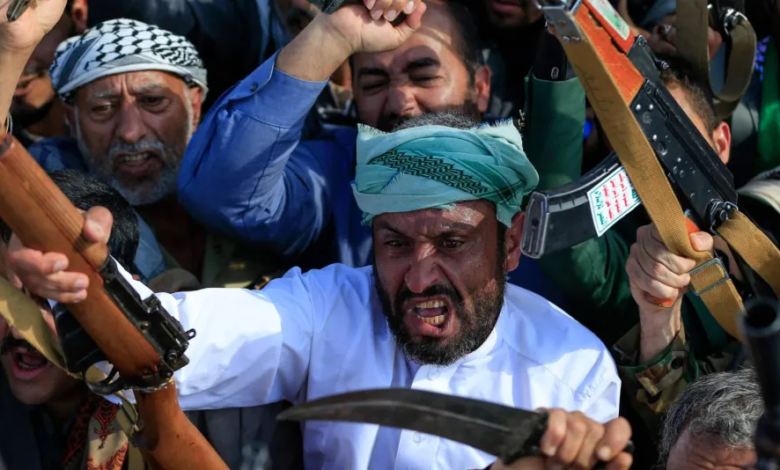

A recent international report has revealed a significant escalation in tensions and conflicts between the Houthi group and Yemeni tribes in areas under its control, threatening to open a new internal front that could alter the course of the years-long war in the country. The report observes a radical shift in the relationship, which was once characterized by a fragile alliance at times, to an open confrontation fueled by the Houthis' systematic policies aimed at imposing their complete dominance over the social and political fabric of Yemen.
Historical background: From alliance to clash
Historically, Yemeni tribes have formed a cornerstone of the state and society, enjoying considerable autonomy and significant political and social influence. With the Houthi takeover of Sana'a in 2014, the group forged tactical alliances with several major tribes, capitalizing on widespread public discontent with the government at the time. However, these alliances quickly began to unravel as the Houthis sought to consolidate their ideological and military power.
The group began undermining the role of traditional tribal elders, replacing them with loyal supervisors, imposing exorbitant taxes, and interfering in tribal customs—actions the tribes perceived as a direct threat to their existence and identity. Furthermore, the forced recruitment of young men and children from the tribes to fight on their front lines provoked widespread resentment, prompting many tribes to resist these practices openly or covertly.
The importance of the event and its expected impact
This escalating conflict carries serious repercussions on multiple levels. Domestically, it weakens the Houthis' security grip in their main strongholds and could ignite armed tribal uprisings, further complicating the Yemeni landscape and exacerbating the humanitarian crisis. The Houthis' depletion through internal fighting could also provide their adversaries with an opportunity to make military gains on other fronts.
Regionally and internationally, this development represents a new variable in the calculations of the regional and international powers involved in the conflict. Some parties may see supporting the tribes as an opportunity to weaken the Houthis from within, potentially altering the balance of power at future political negotiations. The report also highlights the necessity for any international peace efforts to consider the pivotal role of the tribes as a key and indispensable actor in any comprehensive and sustainable political settlement aimed at ending the war and restoring stability to Yemen.