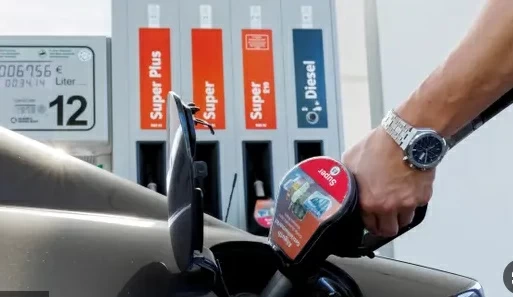

في ظل التقلبات الاقتصادية المستمرة، يتساءل الكثيرون عن الدولة صاحبة أغلى لتر بنزين في العالم. إن أسعار الوقود ليست مجرد أرقام على شاشات محطات التعبئة، بل هي مؤشر حقيقي يعكس السياسات الاقتصادية والبيئية لكل دولة. وفقاً لأحدث البيانات الصادرة عن موقع «Global Petrol Prices»، المرجع العالمي الأبرز في تتبع أسعار الطاقة، تتصدر هونغ كونغ القائمة بلا منازع، حيث تحول البنزين هناك في هذا الاقتصاد المتقدم إلى عبء مالي ضخم يعيد تشكيل سلوكيات النقل والإنفاق لدى الأفراد.
السياق التاريخي وأسباب تباين أسعار الوقود
تاريخياً، ارتبطت أسعار النفط الخام بالعديد من العوامل الجيوسياسية والاقتصادية، مثل قرارات تحالف «أوبك بلس»، والتوترات السياسية العالمية، وتداعيات التعافي الاقتصادي ما بعد جائحة كورونا، فضلاً عن الأزمة الروسية الأوكرانية التي أحدثت صدمة غير مسبوقة في أسواق الطاقة وسلاسل الإمداد. ورغم أن جميع الدول تشتري النفط الخام من الأسواق العالمية بالسعر ذاته تقريباً، إلا أن السعر النهائي للمستهلك يختلف جذرياً. وما يميز كل دولة هو «معادلة الضرائب والدعم» التي تفرضها الحكومات بناءً على توجهاتها الاستراتيجية.
هونغ كونغ: أرقام قياسية وأسباب منطقية
بالعودة إلى هونغ كونغ، التي تتربع على قمة ترتيب أغلى لتر بنزين في العالم، نجد أن سعر الغالون قد بلغ مستويات قياسية تصل إلى نحو 15.37 دولار أمريكي (أي ما يعادل حوالي 4.1 دولار لكل لتر). هذا الرقم الصادم يعني أن تكلفة تعبئة خزان سيارة صغيرة تتجاوز بسهولة حاجز الـ 100 دولار. ويعود هذا الارتفاع الجنوني إلى الضرائب الحكومية الباهظة التي تهدف بشكل أساسي إلى تقليل الازدحام المروري في مدينة ذات مساحة محدودة ومكتظة بالسكان، وتشجيع المواطنين على الاعتماد على شبكة النقل العام المتطورة جداً.
التأثير الاقتصادي: عائق كبير أمام الدول النامية
وفي حين أن مستوى الدخل المرتفع في هونغ كونغ قد يفسر بعضاً من تسعير الوقود ويجعل المدينة قابلة للعيش بالنسبة لسكانها، فإن الوضع يختلف تماماً في الاقتصادات النامية. على سبيل المثال، تأتي دولة مالاوي في المرتبة الثانية عالمياً بسعر يصل إلى 2.858 دولار للتر. في مثل هذه الدول ذات الدخل المنخفض، يتحول السعر المرتفع للوقود إلى عائق كبير أمام التقدم بوسائل النقل التقليدية، مما ينعكس مباشرة على أسعار السلع الأساسية والغذائية، ويزيد من معدلات التضخم ويضعف القدرة الشرائية للمواطنين.
أوروبا الغربية: ضرائب صارمة نحو التحول الأخضر
على الصعيد الإقليمي، تظهر البيانات الموثقة في تقارير «Statista» أن دول أوروبا الغربية تحتل دائماً المراتب الأولى بين الأعلى سعراً. دول مثل النرويج، الدنمارك، هولندا، وألمانيا تتراوح فيها أسعار البنزين بين 7 إلى 9 دولارات للغالون (أي ما بين 2.36 و 2.74 دولار لكل لتر بنزين 95 منخفض الكبريت)، مما يجعل القارة الأوروبية ثاني أغلى منطقة في العالم بعد شرق آسيا. وتعد ألمانيا من أغلى الاقتصادات الأوروبية في هذا المجال. هذا الارتفاع يعكس تشديداً ضريبياً يترافق مع خطط الانتقال للطاقة البديلة وتقييد الانبعاثات الكربونية.
تحذيرات دولية ومستقبل أسعار الطاقة
التأثير المتوقع لهذه الأسعار المرتفعة يمتد دولياً، فقد أصدرت المفوضية الأوروبية تحذيرات من كارثة مالية مرتقبة إذا ما استمرت أزمة الطاقة الحالية، حيث تعاني معظم دول القارة من أزمات متتالية وضغوط تضخمية تثقل كاهل الاقتصاد. ختاماً، لم تعد أسعار الوقود مجرد انعكاس لقيمة النفط، بل أصبحت أداة حكومية لتوجيه السلوك المجتمعي وتمويل الميزانيات، مما يضع العالم أمام تحديات تتطلب حلولاً مستدامة.