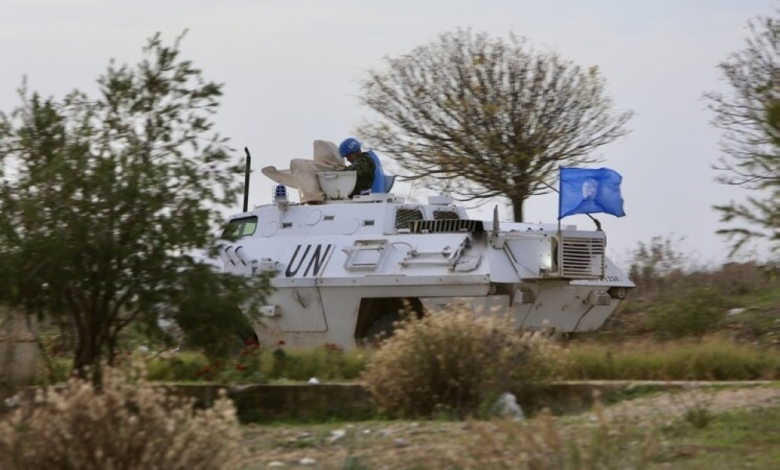

رابطة العالم الإسلامي تستنكر الهجوم على الكتيبة الفرنسية
أعربت رابطة العالم الإسلامي عن إدانتها واستنكارها الشديدين للهجوم المسلح الذي استهدف الكتيبة الفرنسية التابعة لقوة الأمم المتحدة المؤقتة في لبنان (يونيفيل) العاملة في المنطقة الجنوبية من الأراضي اللبنانية. وفي بيان رسمي صادر عن الأمانة العامة للرابطة، شدد الأمين العام، رئيس هيئة علماء المسلمين، الشيخ الدكتور محمد بن عبدالكريم العيسى، على خطورة هذا التصعيد الذي يطال قوات حفظ السلام الدولية المكلفة بمهام أممية حساسة لحفظ الأمن والاستقرار.
موقف حازم ضد انتهاكات القانون الدولي
وجدد الدكتور العيسى التأكيد على الموقف الثابت والمبدئي لرابطة العالم الإسلامي الرافض والمُدين بشدة لأي استهداف يطال المنظمات الأممية وبعثاتها الدبلوماسية والعسكرية. وأوضح البيان أن هذا الاعتداء يندرج في سياق تجريم الرابطة لكافة أعمال العنف والإرهاب، مشيراً إلى جسامة هذا الانتهاك الذي يعرقل عمل قوة حفظ السلام الأممية ويقيد حرية تحركاتها الميدانية. كما أكد أن هذا الهجوم يمثل خرقاً صريحاً لمقررات الأمم المتحدة ذات الصلة، وعلى وجه الخصوص انتهاكاً صارخاً لقواعد القانون الدولي الإنساني الذي يكفل الحماية الكاملة للأشخاص غير المشاركين في الأعمال العدائية، وفي مقدمتهم أفراد بعثات الأمم المتحدة. واختتم الأمين العام تصريحه بتقديم خالص التعازي والمواساة لأسر الضحايا، متمنياً الشفاء العاجل للمصابين.
السياق التاريخي: دور قوات “يونيفيل” في جنوب لبنان
لفهم أبعاد هذا الاستهداف، يجب النظر إلى السياق التاريخي لوجود قوات “يونيفيل” في لبنان. تأسست هذه القوات بقرار من مجلس الأمن الدولي في مارس من عام 1978 (القراران 425 و426) بهدف تأكيد انسحاب القوات الإسرائيلية من جنوب لبنان، واستعادة السلم والأمن الدوليين، ومساعدة الحكومة اللبنانية على استعادة سلطتها الفعالة في المنطقة. وعقب حرب تموز في عام 2006، قام مجلس الأمن بتوسيع ولاية هذه القوات وزيادة عددها بموجب القرار 1701، الذي أصبح الركيزة الأساسية للحفاظ على الهدوء النسبي على الخط الأزرق الفاصل. وتعد الكتيبة الفرنسية من أبرز وأهم الركائز الأساسية في هذه القوات، نظراً للدور التاريخي والسياسي الذي تلعبه باريس في دعم استقرار لبنان وتقديم المساعدات الإنسانية.
التداعيات والتأثيرات المتوقعة للحدث
يحمل استهداف قوات اليونيفيل دلالات وتأثيرات عميقة على مستويات متعددة. على الصعيد المحلي، يهدد هذا التطور الخطير الاستقرار الهش في جنوب لبنان، ويثير مخاوف من انزلاق المنطقة إلى أتون صراع مفتوح قد يدفع ثمنه المدنيون اللبنانيون العزل. أما على الصعيد الإقليمي، فإن هذا الحادث يزيد من تعقيد المشهد الأمني المتوتر أصلاً في الشرق الأوسط، وينذر بتوسيع رقعة الاشتباكات الحدودية لتشمل أطرافاً دولية.
دولياً، يُعد هذا الهجوم تحدياً مباشراً لهيبة الأمم المتحدة والمجتمع الدولي بأسره. إن المساس بسلامة وأمن موظفي الأمم المتحدة وقوات حفظ السلام يشكل سابقة خطيرة قد تقوض الجهود الدبلوماسية الرامية إلى التهدئة. ولذلك، تتصاعد الدعوات الدولية، التي تتماشى مع بيان رابطة العالم الإسلامي، لضرورة إجراء تحقيقات شفافة ومحاسبة المتورطين، مع التشديد على أهمية التزام جميع الأطراف بتطبيق القرار 1701 لضمان عدم تكرار مثل هذه الحوادث المأساوية التي تعيق مساعي السلام الشامل والعادل.