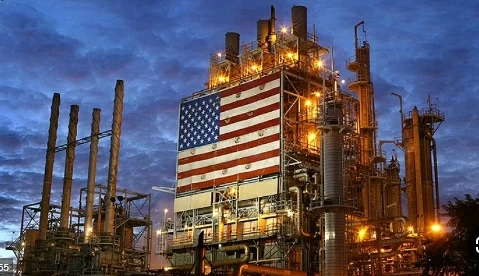

ارتفاع ملحوظ في العقود الآجلة للغاز الطبيعي الأمريكي
شهدت أسواق الطاقة الأمريكية تطوراً لافتاً، حيث ارتفعت العقود الأمريكية الآجلة للغاز الطبيعي بشكل طفيف لتسجل أعلى مستوياتها في سبعة أسابيع. يأتي هذا الارتفاع مدفوعاً بتوقعات هيئات الأرصاد الجوية التي تشير إلى طقس أكثر دفئاً من المعتاد خلال الأسابيع القادمة، مما يزيد من الطلب على تبريد الهواء، بالإضافة إلى انخفاض مستويات الإنتاج خلال الفترة القليلة الماضية.
تفاصيل الأسعار ومستويات الإنتاج
على صعيد الأرقام، صعدت العقود الآجلة للغاز الطبيعي لتسليم شهر يونيو القادم في بورصة نيويورك التجارية (نايمكس) بمقدار 3.9 سنت، أو ما يعادل 1.3%، لتصل إلى مستوى 2.999 دولار لكل مليون وحدة حرارية بريطانية. هذا الصعود قاد العقد لتحقيق أعلى مستوى له عند الإغلاق منذ 27 مارس الماضي، وذلك لليوم الثاني على التوالي.
وفيما يخص الإمدادات، أفادت مجموعة بورصات لندن (LSEG) بأن متوسط إنتاج الغاز الطبيعي في البر الرئيسي للولايات المتحدة (والذي يضم 48 ولاية) قد شهد تراجعاً ليصل إلى 109.5 مليار قدم مكعبة يومياً منذ بداية شهر مايو الجاري. يمثل هذا انخفاضاً مقارنة بـ 109.8 مليار قدم مكعبة يومياً في شهر أبريل الماضي، وتراجعاً ملحوظاً عن أعلى مستوى شهري قياسي تم تسجيله في ديسمبر 2023 والذي بلغ 110.6 مليار قدم مكعبة يومياً.
السياق التاريخي لسوق الغاز الأمريكي
لفهم ديناميكيات هذا الارتفاع، من الضروري النظر إلى السياق التاريخي لسوق الغاز في الولايات المتحدة. منذ بداية ثورة الغاز الصخري في أوائل العقد الأول من القرن الحادي والعشرين، تحولت الولايات المتحدة من مستورد للغاز إلى أكبر منتج ومصدر للغاز الطبيعي المسال (LNG) في العالم. تاريخياً، تتأثر أسعار الغاز في أمريكا بشكل كبير بالعوامل الموسمية؛ حيث يرتفع الطلب في الشتاء لأغراض التدفئة، وفي الصيف لتوليد الكهرباء اللازمة لتشغيل أجهزة التكييف. الانخفاض الأخير في الإنتاج يأتي كرد فعل طبيعي من الشركات المنتجة التي قامت بتقليص أنشطة الحفر بعد فترات من انخفاض الأسعار لتجنب تخمة المعروض.
التأثيرات المتوقعة: محلياً، إقليمياً، ودولياً
يحمل هذا التغير في أسعار الغاز الطبيعي تأثيرات متعددة الأبعاد. على المستوى المحلي، يؤثر ارتفاع أسعار الغاز بشكل مباشر على تكلفة توليد الكهرباء في الولايات المتحدة، مما قد ينعكس على فواتير المستهلكين ويؤثر على معدلات التضخم العامة. كما أنه يعزز من هوامش ربح شركات الطاقة الأمريكية التي عانت مؤخراً من تراجع الأسعار.
أما على الصعيد الإقليمي والدولي، فإن أي تذبذب في أسعار الغاز الأمريكي ينعكس فوراً على الأسواق العالمية. تلعب الولايات المتحدة دوراً حاسماً في تلبية احتياجات أوروبا من الطاقة، خاصة بعد تقليص الاعتماد على الغاز الروسي. ارتفاع الأسعار محلياً في أمريكا قد يؤثر على تكلفة تصدير الغاز الطبيعي المسال إلى الأسواق الأوروبية والآسيوية، مما يفرض تحديات إضافية على الدول المستوردة التي تسعى لتأمين إمدادات طاقة بأسعار معقولة.
التوقعات المستقبلية للطقس والأسواق
بالنظر إلى المستقبل القريب، يتوقع خبراء الأرصاد الجوية أن يظل الطقس في الولايات المتحدة أكثر دفئاً عموماً عن المعدلات الطبيعية المعتادة حتى الثاني من شهر يونيو القادم. هذا الدفء المستمر يعني استمرار الضغط على شبكات الكهرباء لتلبية احتياجات التبريد، وهو ما سيبقي الطلب على الغاز الطبيعي مرتفعاً، وقد يدفع الأسعار لاختبار مستويات جديدة في الأسابيع المقبلة إذا استمرت وتيرة الإنتاج في التباطؤ.