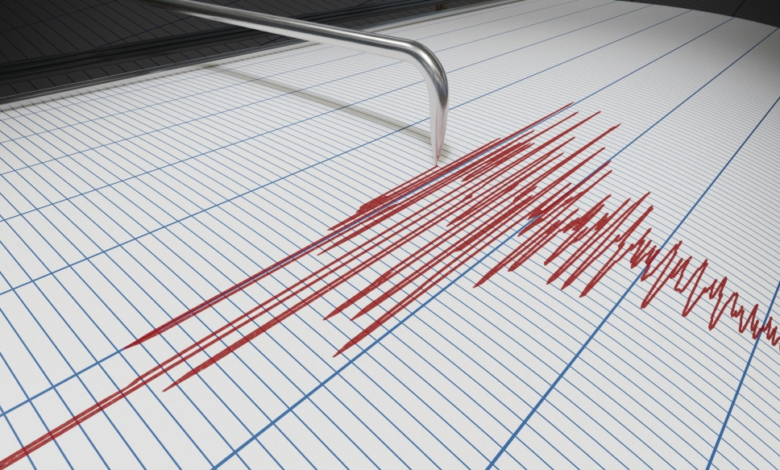
A 4.2 magnitude earthquake strikes southwest Pakistan, causing no casualties

Details of the recent Pakistan earthquake in Balochistan province
An earthquake measuring 4.2 on the Richter scale struck Balochistan province in southwestern Pakistan on Thursday, with no immediate reports of casualties or damage. The Pakistan Meteorological Department stated in an official statement that the epicenter was at a depth of 12 kilometers, specifically near the Baloch city of Zhob, which explains why the tremor was felt by local residents despite its moderate intensity.
The geological context of seismic activity in Pakistan
This earthquake occurred within a complex geological context, as Pakistan lies in one of the most seismically active regions in the world. This constant activity is due to the country's location on fault lines separating the Indian and Eurasian tectonic plates. The movement and continuous collision of these plates generate immense pressure beneath the Earth's crust, releasing this energy in the form of earthquakes and aftershocks that strike various parts of the country, particularly the western and southwestern provinces such as Balochistan.
Historical background of the devastating earthquakes in the region
Historically, Pakistan has suffered devastating earthquakes that have left a deep mark on the national memory. Among the most prominent of these events was the catastrophic earthquake that struck Kashmir and the northern regions in October 2005, measuring 7.6 on the Richter scale and resulting in immense human and material losses. In Balochistan itself, residents still vividly remember the 2013 earthquake, which measured 7.7 on the Richter scale and caused widespread destruction of infrastructure, even creating a small island off the Pakistani coast. This historical background keeps authorities and citizens on constant alert whenever any seismic activity is detected, regardless of its magnitude.
Local and regional impact of earthquakes
Domestically, although no casualties were reported in the recent Zohab earthquake, such moderate tremors play a crucial role in testing the preparedness of Pakistani rescue and disaster management teams. They also raise public awareness about how to respond to emergencies. Regionally, seismic activity in Pakistan is closely monitored by neighboring countries such as Iran and Afghanistan, which share the same active seismic belt. Any significant tectonic movement in this region could have cross-border effects, necessitating regional cooperation in monitoring and early warning systems.
The importance of international monitoring of tectonic activity
Internationally, global earthquake monitoring centers, such as the United States Geological Survey (USGS), continuously document and analyze these seismic events. This precise monitoring contributes to updating global geological maps and a better understanding of tectonic plate behavior, helping scientists and researchers develop predictive models that may help reduce the risks of natural disasters in the future. The recent earthquake in Pakistan, while a minor event without significant damage, remains a powerful reminder of the immense natural forces that shape our planet and the need for constant preparedness.