
حزمة دعم حكومية غير مسبوقة في باكستان
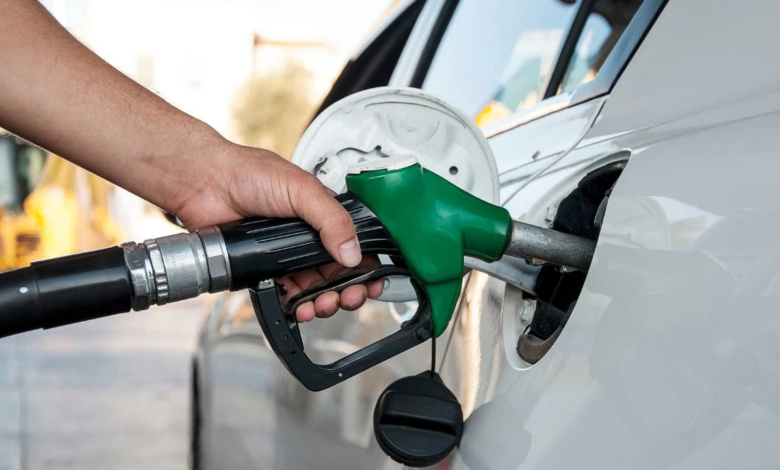
في خطوة استثنائية تهدف إلى تخفيف الأعباء المعيشية عن كاهل المواطنين، أعلن رئيس الوزراء الباكستاني، محمد شهباز شريف، عن حزمة دعم اقتصادي كبرى. وتتضمن هذه الحزمة تخفيضاً كبيراً في أسعار الوقود، حيث تقرر خفض سعر البنزين بمقدار 80 روبية للتر الواحد، ليتراجع السعر الرسمي من 458 روبية إلى 378 روبية. وتأتي هذه التصريحات وفقاً لما نقلته وكالة أنباء باكستان الرسمية، لتمثل بارقة أمل للشارع الباكستاني الذي يعاني من ضغوط تضخمية متزايدة.
السياق الاقتصادي والتحديات العالمية
تأتي هذه القرارات في وقت بالغ الحساسية بالنسبة للاقتصاد الباكستاني. فمن الناحية التاريخية والاقتصادية، تعتمد باكستان بشكل كبير على استيراد موارد الطاقة لتلبية احتياجاتها المحلية، مما يجعل اقتصادها شديد التأثر بالتقلبات العالمية. وأوضح شهباز شريف في خطابه المتلفز أن البلاد تمر بظروف اقتصادية عسيرة، مشيراً إلى أن السبب الرئيسي وراء هذه التحديات يعود إلى التوترات الجيوسياسية والصراع الدائر في منطقة الشرق الأوسط، والذي أدى بدوره إلى ارتفاع حاد ومفاجئ في أسعار النفط الخام في الأسواق العالمية، مما انعكس سلباً على سلاسل الإمداد وتكاليف الشحن.
إجراءات تقشفية وتضامن حكومي
ولإثبات جدية الحكومة في تحمل جزء من العبء الاقتصادي، وفي خطوة تهدف إلى تعزيز التقشف والتضامن مع المواطنين، أعلن رئيس الوزراء الباكستاني أن جميع أعضاء مجلس الوزراء الاتحادي سيتنازلون طواعية عن رواتبهم الحكومية لمدة ستة أشهر قادمة. هذا القرار لا يحمل طابعاً رمزياً فحسب، بل يهدف بشكل مباشر إلى توفير أموال إضافية للخزينة العامة، سيتم إعادة توجيهها لتمويل الإجراءات الخاصة بإغاثة أبناء الشعب ودعم الفئات الأكثر تضرراً من غلاء المعيشة.
دعم استراتيجي لقطاع النقل والمواصلات
إدراكاً من الحكومة بأن تكلفة النقل هي المحرك الأساسي لأسعار السلع الأساسية، ركزت حزمة الدعم بشكل كبير على قطاع النقل والمواصلات. وأكد شريف أن السعر المخفض الجديد للبنزين سيبقى ثابتاً طوال الشهر القادم. علاوة على ذلك، تم تخصيص دعم إضافي يشمل منح 100 روبية عن كل لتر وقود لمالكي الدراجات النارية، ومركبات نقل البضائع، ووسائل النقل العام.
ولم يتوقف الدعم عند هذا الحد، بل امتد ليشمل إعانات نقدية شهرية مباشرة لقطاع الشحن والنقل الثقيل. حيث تقرر تقديم دعم شهري قدره 70 ألف روبية لأصحاب الشاحنات الصغيرة، و80 ألف روبية للشاحنات الكبيرة، بالإضافة إلى 100 ألف روبية مخصصة لحافلات نقل الركاب. من المتوقع أن تساهم هذه الإجراءات في استقرار أسعار تذاكر الركوب وتكاليف شحن البضائع، مما ينعكس إيجاباً على أسعار السلع الغذائية والاستهلاكية في الأسواق المحلية.
التأثير المتوقع للقرارات
على الصعيد المحلي، من المتوقع أن تساهم هذه الحزمة في تهدئة الغضب الشعبي الناتج عن التضخم، وتعزيز ثقة المواطنين في قدرة الحكومة على إدارة الأزمة. كما أكد رئيس الوزراء أن الحكومة الاتحادية ستعمل جنباً إلى جنب مع حكومات الأقاليم لحشد أكبر قدر ممكن من الموارد لضمان استدامة هذا الدعم. إقليمياً ودولياً، تعكس هذه الخطوة محاولات باكستان الحثيثة لتحقيق استقرار داخلي يجنبها الانزلاق في أزمات اجتماعية أعمق وسط محيط عالمي مضطرب.