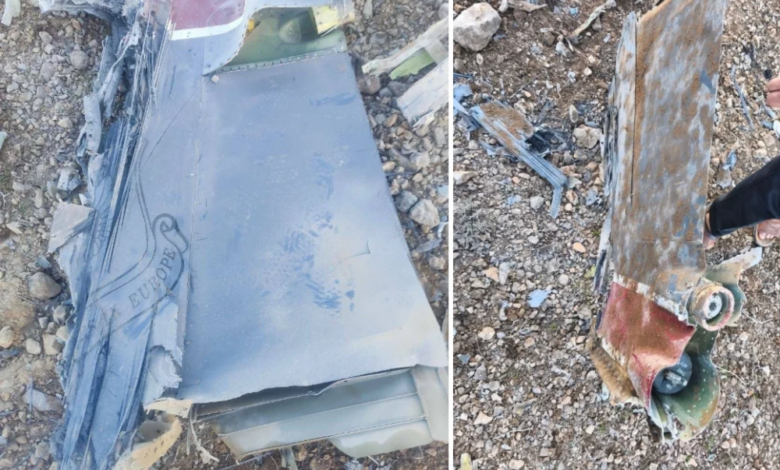

Details of the incident and the race to find the pilot
Iran's Fars News Agency reported that Iranian armed forces launched a large-scale search operation to find a U.S. pilot after his fighter jet was shot down in Iranian airspace. Meanwhile, a U.S. official confirmed to Reuters that the American fighter jet had crashed inside Iranian territory, adding that search and rescue operations were underway to locate the crew. This development has created a race against time between U.S. and Iranian forces to reach the pilot first, putting the region on edge. Combat search and rescue operations are among the most complex military operations, and their complexity increases when conducted in the territory of a hostile state, which explains the high level of military mobilization and readiness on both sides.
General context and historical background of the air tensions
This incident comes within a long history of military and political tensions between the United States and Iran, particularly in the airspace and territorial waters surrounding the Persian Gulf and the Strait of Hormuz. This was not the first such incident in the history of the conflict between the two countries; in June 2019, Iranian air defenses shot down an advanced American Global Hawk drone, leading to a dangerous escalation that nearly sparked a direct military confrontation. American forces maintain a heavy presence in the Middle East to protect international shipping and its strategic interests, while Iran considers this presence a threat to its national security, making military clashes a likely and strategically risky occurrence.
Strategic importance and expected impact of the event
The downing of a US fighter jet over Iranian territory has significant repercussions on multiple levels. Locally and regionally, countries in the region are expected to raise their alert levels to the highest degree, particularly those hosting US or allied military bases. This escalation could also directly impact maritime traffic in the Strait of Hormuz, through which a large portion of the world's oil supply passes, raising concerns about disruptions to supply chains. Any tension in this sensitive region will immediately affect the stability of regional markets and further complicate the security and political landscape in the Middle East.
International repercussions and fears of escalation
Internationally, this event represents a dangerous turning point in international relations. The capture of the American pilot by Iranian forces could be used as a powerful political and diplomatic bargaining chip by Tehran in any future negotiations, while the United States will not compromise on protecting and recovering its soldiers. This could push the US administration to take decisive measures, potentially including military options or further economic sanctions. Global markets are watching closely, as tensions in the Middle East are typically linked to an immediate rise in global oil prices. The international community, including the United Nations and the European Union, will find itself compelled to intervene urgently to de-escalate the situation and prevent the region from sliding into a full-blown and disastrous confrontation.