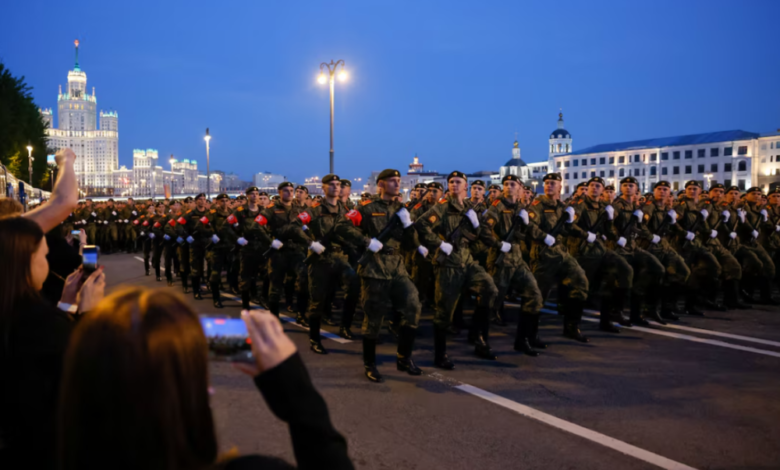

تحذير أوكراني من المشاركة في احتفالات موسكو
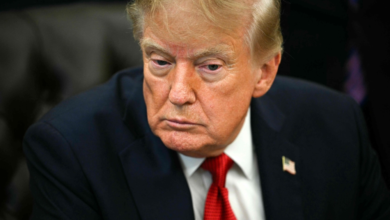
في خطوة دبلوماسية لافتة، وجه الرئيس الأوكراني فولوديمير زيلينسكي تحذيراً شديد اللهجة إلى المسؤولين في الدول الحليفة لروسيا، داعياً إياهم إلى الامتناع عن حضور العرض العسكري الذي تعتزم موسكو إقامته في الساحة الحمراء احتفالاً بذكرى عيد النصر في التاسع من مايو. يأتي هذا التحذير في ظل استمرار الحرب الروسية على أوكرانيا، مما يضفي على الاحتفال هذا العام طابعاً سياسياً ودعائياً معقداً.
وصرح زيلينسكي قائلاً: “لقد تلقينا رسائل من بعض الدول القريبة من روسيا، تفيد بأن ممثلين لها يعتزمون الحضور إلى موسكو. هذه رغبة غريبة في هذه الأيام، لا نوصي بذلك”. واعتبر الرئيس الأوكراني أن أي مشاركة دولية في هذا العرض ستكون بمثابة تأييد ضمني للسياسات الروسية، في وقت تسعى فيه كييف وحلفاؤها الغربيون إلى فرض عزلة دولية شاملة على الكرملين.
خلفية تاريخية لعيد النصر وأهميته لروسيا
يحتل عيد النصر مكانة مركزية في الوجدان الروسي، حيث يخلّد ذكرى انتصار الاتحاد السوفيتي على ألمانيا النازية في الحرب العالمية الثانية عام 1945، وهي الحرب التي تسميها روسيا “الحرب الوطنية العظمى”. يُعد هذا اليوم مناسبة وطنية كبرى لتكريم تضحيات الملايين من الجنود والمواطنين السوفييت. وعلى مر العقود، تحول العرض العسكري في الساحة الحمراء إلى استعراض للقوة العسكرية الروسية، ووسيلة لتعزيز الشعور الوطني والفخر بتاريخ البلاد. ومنذ وصول الرئيس فلاديمير بوتين إلى السلطة، اكتسب الاحتفال زخماً أكبر، حيث يتم استخدامه لترسيخ رواية روسيا كقوة عالمية عظمى قادرة على مواجهة التحديات الخارجية.
التأثيرات المتوقعة وأبعاد التحذير الأوكراني
في سياق الحرب الحالية، لم يعد عرض عيد النصر مجرد احتفال تاريخي، بل أصبح أداة رئيسية في آلة الدعاية الروسية. يسعى الكرملين إلى ربط “العملية العسكرية الخاصة” في أوكرانيا بميراث الحرب العالمية الثانية، مصوراً إياها على أنها معركة جديدة ضد “النازية”. من هنا، تكتسب دعوة زيلينسكي أهمية بالغة، فهي تهدف إلى تفكيك هذه الرواية ومنع أي طرف دولي من إضفاء الشرعية عليها من خلال المشاركة.
على الصعيد الدولي، يُعتبر الحضور الدبلوماسي في عرض موسكو بمثابة مقياس لنفوذ روسيا وعلاقاتها الخارجية. ففي السنوات التي سبقت غزو أوكرانيا، كان قادة من مختلف أنحاء العالم يحضرون الاحتفال. أما اليوم، فقد تقلصت قائمة الحضور بشكل كبير لتقتصر بشكل أساسي على قادة الدول الحليفة بشكل وثيق لموسكو، خاصة من رابطة الدول المستقلة. إن مقاطعة العرض من قبل معظم دول العالم، وخاصة الدول الغربية، تبعث برسالة واضحة مفادها رفض العدوان الروسي وتأكيد على عزلة موسكو المتزايدة على الساحة الدولية. وبالتالي، فإن تحذير زيلينسكي لا يستهدف فقط منع الحضور، بل يهدف أيضاً إلى تسليط الضوء على هذه العزلة وتعميقها.