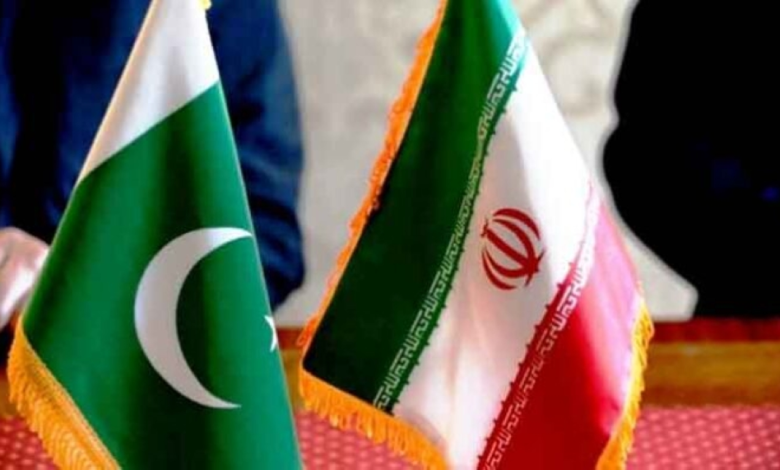

في خطوة دبلوماسية هامة، أجرى نائب رئيس الوزراء ووزير الخارجية الباكستاني، إسحاق دار، اتصالاً هاتفياً مع وزير الخارجية الإيراني، عباس عراقجي، لمناقشة آخر التطورات الإقليمية والجهود المشتركة لتعزيز السلام والاستقرار في المنطقة. ويأتي هذا الاتصال في سياق حرج، مؤكداً على رغبة البلدين الجارين في الحفاظ على قنوات الحوار مفتوحة وتنسيق المواقف تجاه التحديات المشتركة.
وخلال المكالمة، أطلع الوزير عراقجي نظيره الباكستاني على نتائج زيارته الأخيرة إلى الصين والمشاورات التي أجراها مع المسؤولين الصينيين بشأن القضايا الإقليمية والدولية ذات الاهتمام المتبادل. وتعكس هذه الإحاطة الدور المتنامي للصين كلاعب استراتيجي في المنطقة، وحرص طهران وإسلام آباد على الاستفادة من علاقاتهما القوية مع بكين لدعم أهدافهما المشتركة في تحقيق الاستقرار.
خلفية العلاقات وسياق التوترات الأخيرة
ترتبط باكستان وإيران بعلاقات تاريخية عميقة تمتد لعقود، وتشمل روابط ثقافية ودينية واقتصادية، بالإضافة إلى حدود مشتركة طويلة تزيد عن 900 كيلومتر. ومع ذلك، لم تخلُ هذه العلاقة من تحديات، كان أبرزها التوتر الذي شهده مطلع عام 2024، عندما تبادل البلدان الضربات الصاروخية عبر الحدود، مستهدفين ما وصفوه بـ “معاقل إرهابية”. ورغم خطورة الحادث، نجحت الدبلوماسية في احتواء الأزمة بسرعة، مما أظهر إدراكاً من كلا الجانبين بأن التصعيد ليس في مصلحة أي منهما. وبالتالي، يكتسب هذا الاتصال أهمية خاصة كونه يؤكد على العودة إلى مسار التهدئة والتعاون لمعالجة القضايا الأمنية، خاصة في منطقة بلوشستان الحدودية المضطربة.
الأهمية الاستراتيجية وتأثير التعاون
يحمل التنسيق الباكستاني الإيراني أهمية استراتيجية تتجاوز حدودهما الثنائية. فعلى الصعيد الإقليمي، يعد استقرار العلاقات بينهما ضرورياً لأمن المنطقة بأكملها، بما في ذلك أفغانستان المجاورة، حيث يمتلك كلا البلدين نفوذاً ومصالح حيوية. إن التعاون في مكافحة الإرهاب والجريمة المنظمة عبر الحدود لا يخدم أمنهما الوطني فحسب، بل يساهم أيضاً في منع الجماعات المتطرفة من استغلال أي فراغ أمني. علاوة على ذلك، هناك مشاريع اقتصادية مشتركة طموحة، مثل مشروع خط أنابيب الغاز الإيراني الباكستاني، الذي يمكن أن يعزز أمن الطاقة في باكستان ويوطد العلاقات الاقتصادية بين البلدين، رغم التحديات الجيوسياسية التي تواجهه.