
مقدمة: تصاعد الخلافات الإقليمية
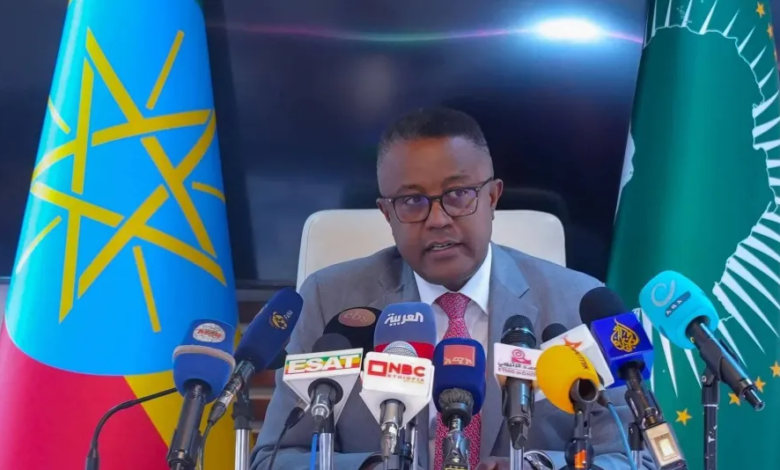
تشهد منطقة القرن الأفريقي تطورات جيوسياسية متسارعة، حيث عاد منفذ البحر الأحمر ليتصدر المشهد السياسي، مما أدى إلى تفاقم التوتر بين مصر وإثيوبيا. تأتي هذه التطورات في ظل مساعي أديس أبابا الحثيثة لتأمين وصول سيادي إلى المياه المفتوحة، وهو ما تعتبره القاهرة تهديداً مباشراً لأمنها القومي وأمن الملاحة في البحر الأحمر وقناة السويس.
تفاصيل أزمة منفذ البحر الأحمر
بدأت الأزمة الأخيرة في التبلور عندما أعلنت إثيوبيا مطلع عام 2024 عن توقيع مذكرة تفاهم مع إقليم “أرض الصومال” (صوماليلاند) الانفصالي. ينص هذا الاتفاق المبدئي على استئجار إثيوبيا لشريط ساحلي يمتد لنحو 20 كيلومتراً على خليج عدن والبحر الأحمر لمدة 50 عاماً، بهدف إنشاء قاعدة بحرية عسكرية وميناء تجاري. في المقابل، تدرس إثيوبيا الاعتراف الدبلوماسي باستقلال الإقليم عن الصومال، وهو ما أثار حفيظة مقديشو ودفعها لرفض الاتفاق جملة وتفصيلاً باعتباره انتهاكاً صارخاً لسيادتها ووحدة أراضيها.
السياق التاريخي: من سد النهضة إلى أمن البحر الأحمر
لفهم أبعاد التوتر الحالي حول منفذ البحر الأحمر، يجب النظر إلى السياق التاريخي للعلاقات بين مصر وإثيوبيا. تعاني إثيوبيا من كونها دولة حبيسة منذ استقلال إريتريا عام 1993، وتعتمد بشكل شبه كلي على موانئ جيبوتي في تجارتها الخارجية. لذلك، يمثل الوصول إلى البحر الأحمر هدفاً استراتيجياً وتاريخياً للقيادة الإثيوبية.
على الجانب الآخر، تأتي هذه الخطوة لتضيف تعقيداً جديداً للعلاقات المتوترة أصلاً بين القاهرة وأديس أبابا بسبب أزمة سد النهضة الإثيوبي. فمصر، التي تعتمد بشكل أساسي على مياه نهر النيل، ترى في التحركات الإثيوبية الأحادية، سواء في مياه النيل أو في البحر الأحمر، سياسة لفرض الأمر الواقع. وتعتبر القاهرة أن أمن البحر الأحمر ومضيق باب المندب هو جزء لا يتجزأ من أمن قناة السويس، التي تمثل شرياناً اقتصادياً حيوياً لمصر.
الموقف المصري والاصطفاف الإقليمي
أعلنت مصر بوضوح رفضها لأي إجراءات تمس بسيادة الصومال. وقد تجلى ذلك في التصريحات الرسمية التي أكدت وقوف القاهرة إلى جانب مقديشو في الدفاع عن وحدة أراضيها. كما سعت مصر إلى تعزيز تعاونها العسكري والأمني مع الصومال ودول القرن الأفريقي الأخرى، في رسالة واضحة تهدف إلى كبح النفوذ الإثيوبي المتمدد وحماية الأمن القومي العربي.
التأثير المتوقع لأزمة منفذ البحر الأحمر
على المستوى المحلي والإقليمي
- زعزعة استقرار القرن الأفريقي: قد يؤدي الاتفاق إلى إشعال صراعات مسلحة جديدة في منطقة تعاني بالفعل من هشاشة أمنية وتحديات اقتصادية كبيرة.
- تعزيز التحالفات المضادة: دفع هذا التوتر الصومال إلى التقارب بشكل أكبر مع مصر وتركيا ودول أخرى لتعزيز قدراتها الدفاعية والعسكرية.
على المستوى الدولي
يثير الصراع حول منفذ البحر الأحمر قلقاً دولياً واسعاً. فالبحر الأحمر يمر عبره حوالي 12% من حجم التجارة العالمية. وأي تصعيد عسكري أو سياسي في هذه المنطقة الحساسة، خاصة مع التوترات الحالية في مضيق باب المندب، قد يؤدي إلى تعطيل سلاسل الإمداد العالمية وارتفاع تكاليف الشحن والطاقة. وقد دعت الأمم المتحدة والاتحاد الأفريقي والجامعة العربية إلى ضرورة احترام سيادة الدول وحل الخلافات بالطرق الدبلوماسية لتجنب انزلاق المنطقة نحو فوضى شاملة.
خاتمة
في الختام، يمثل سعي إثيوبيا للحصول على منفذ البحر الأحمر نقطة تحول خطيرة في جيوسياسية القرن الأفريقي. ومع استمرار تمسك كل طرف بمواقفه، يبقى التوتر بين مصر وإثيوبيا مرشحاً للتصاعد، مما يتطلب تدخلاً دبلوماسياً دولياً وإقليمياً عاجلاً لنزع فتيل الأزمة وضمان استقرار هذه المنطقة الحيوية من العالم.