
توجيهات جديدة لخدمة ضيوف الرحمن
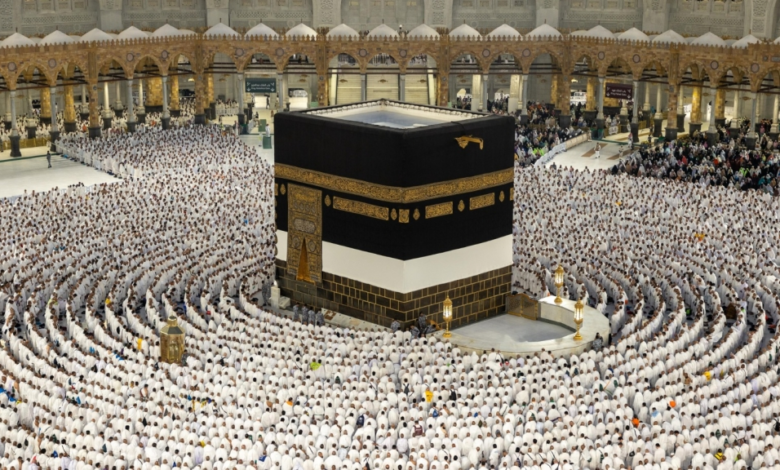
في إطار السعي المستمر لتقديم أفضل الخدمات لحجاج بيت الله الحرام، وجه معالي وزير الشؤون الإسلامية والدعوة والإرشاد، الدكتور عبداللطيف بن عبدالعزيز آل الشيخ، بتقليص مدة الانتظار بين الأذان والإقامة في الجوامع والمساجد التي يقصدها الحجاج. يشمل هذا التوجيه الهام العاصمة المقدسة (مكة المكرمة)، والمنطقة المركزية المحيطة بالمسجد الحرام، بالإضافة إلى مساجد المشاعر المقدسة في منى ومزدلفة وعَرَفات.
السياق العام والخلفية التاريخية
تاريخياً، تُحدد وزارة الشؤون الإسلامية في المملكة العربية السعودية وقتاً قياسياً للانتظار بين رفع الأذان وإقامة الصلاة، يتراوح عادة بين 10 إلى 20 دقيقة في الأيام العادية، وذلك لمنح المصلين وقتاً كافياً للوضوء والوصول إلى المساجد بسكينة ووقار. ومع ذلك، فإن موسم الحج يمثل حالة استثنائية فريدة من نوعها؛ حيث تتوافد حشود مليونية من المسلمين من شتى بقاع الأرض إلى مساحة جغرافية محدودة في مكة المكرمة والمشاعر المقدسة. ولطالما تطلبت هذه الكثافة البشرية الهائلة مرونة إدارية وفقهية تتواكب مع مقاصد الشريعة الإسلامية التي تدعو إلى التيسير ورفع المشقة. ومن هذا المنطلق، دأبت القيادة السعودية والجهات المعنية على تحديث الإجراءات التنظيمية بشكل دوري لضمان انسيابية الحركة وتجنب أي تكدس قد يؤثر على سلامة الحجاج.
أهمية الحدث وتأثيره المتوقع
على المستوى المحلي والتشغيلي، يحمل هذا القرار أهمية كبرى في إدارة الحشود (التفويج). فتقليص مدة الانتظار يساهم بشكل مباشر في تقليل فترات بقاء الحجاج داخل المساجد وفي الساحات المحيطة بها، مما يمنع الازدحام الخانق ويسهل حركة الدخول والخروج. كما أن هذا الإجراء يراعي بشكل خاص كبار السن والمرضى وذوي الاحتياجات الخاصة من الحجاج، حيث يقلل من الإجهاد البدني الناتج عن الانتظار الطويل، ويتيح لهم أداء مناسكهم بيسر وطمأنينة.
أما على الصعيدين الإقليمي والدولي، فإن هذا التوجيه يبعث برسالة واضحة للعالم الإسلامي تؤكد حرص المملكة العربية السعودية على تسخير كافة إمكاناتها التشريعية والتنظيمية لخدمة ضيوف الرحمن. ويعكس القرار التزام المملكة بتحقيق مستهدفات رؤية السعودية 2030، والتي تضع ضمن أهم أولوياتها إثراء التجربة الدينية للحجاج والمعتمرين، ورفع مستوى جودة الخدمات المقدمة لهم، مع ضمان أعلى معايير الأمن والسلامة الصحية والبدنية.
جهود متكاملة ومستدامة
لا يأتي هذا التوجيه بمعزل عن سلسلة من الإجراءات والخطط التشغيلية المتكاملة التي تنفذها وزارة الشؤون الإسلامية. فقد تزامنت هذه الخطوة مع الإعلان عن تهيئة أكثر من 20 ألف مسجد وجامع في مكة المكرمة والمدينة المنورة، وتجهيز المواقيت ومساجد الحل بمنظومة متطورة من الخدمات. كما شملت الاستعدادات تشغيل عشرات المراكز الخدمية، وتوفير نقاط حديثة لشرب المياه الذكية لتعزيز الاستدامة في المشاعر المقدسة، مما يؤكد أن راحة الحاج هي المحور الأساسي الذي تدور حوله كافة الجهود الحكومية.