
تصاعد القلق بين أهالي البحارة المصريين
تعيش أسر وعائلات البحارة المصريين المختطفين قبالة السواحل الصومالية حالة من الذعر والقلق الشديدين، وذلك في أعقاب تلقيهم تهديدات مباشرة من جماعات القراصنة. وتأتي هذه التطورات لتسلط الضوء مجدداً على واحدة من أخطر الأزمات التي تواجه العمالة البحرية وحركة الملاحة في منطقة القرن الأفريقي. وتطالب العائلات، التي يقطن معظمها في المحافظات الساحلية المصرية، السلطات والجهات المعنية بتكثيف جهودها الدبلوماسية والأمنية لضمان عودة أبنائهم سالمين، خاصة مع تزايد الضغوط النفسية والمادية التي يتعرضون لها يومياً في ظل غياب المعلومات الدقيقة عن مصير ذويهم.
السياق التاريخي لظاهرة القرصنة الصومالية
لم تكن هذه الحادثة هي الأولى من نوعها؛ فظاهرة القرصنة قبالة سواحل الصومال وفي خليج عدن تعود جذورها إلى أواخر التسعينيات وتصاعدت حدتها بشكل غير مسبوق بين عامي 2008 و2012. استغل القراصنة حالة عدم الاستقرار السياسي والأمني في الصومال، وانهيار مؤسسات الدولة، لتحويل المياه الإقليمية والدولية المجاورة إلى مسرح لعمليات اختطاف السفن التجارية وقوارب الصيد والمطالبة بفدية مالية ضخمة. وقد تعرضت العديد من السفن المصرية، سواء التجارية أو سفن الصيد، لحوادث مشابهة في الماضي، مما أسفر عن احتجاز عشرات البحارة المصريين لفترات طويلة في ظروف إنسانية قاسية ومروعة.
التأثيرات الاقتصادية والإقليمية لأزمة الاختطاف
تتجاوز تداعيات عمليات الاختطاف والقرصنة البعد الإنساني لتشمل تأثيرات اقتصادية واستراتيجية عميقة على المستويين المحلي والدولي. فعلى الصعيد المحلي، تتكبد أسر البحارة خسائر فادحة بفقدان العائل الرئيسي لها، فضلاً عن التأثير السلبي على قطاع الصيد البحري المصري. أما على الصعيد الإقليمي والدولي، فإن استمرار نشاط القراصنة يمثل تهديداً مباشراً لأمن البحر الأحمر وخليج عدن، وهما من أهم الممرات المائية الحيوية للتجارة العالمية. هذا التهديد يدفع العديد من شركات الشحن الكبرى إلى تغيير مسار سفنها لتجنب المخاطر، مما يؤدي إلى ارتفاع تكاليف التأمين والشحن، ويؤثر بشكل غير مباشر على إيرادات قناة السويس وحركة التجارة المتجهة من وإلى الشرق الأوسط وأوروبا.
الجهود الدولية والمحلية لمكافحة القرصنة
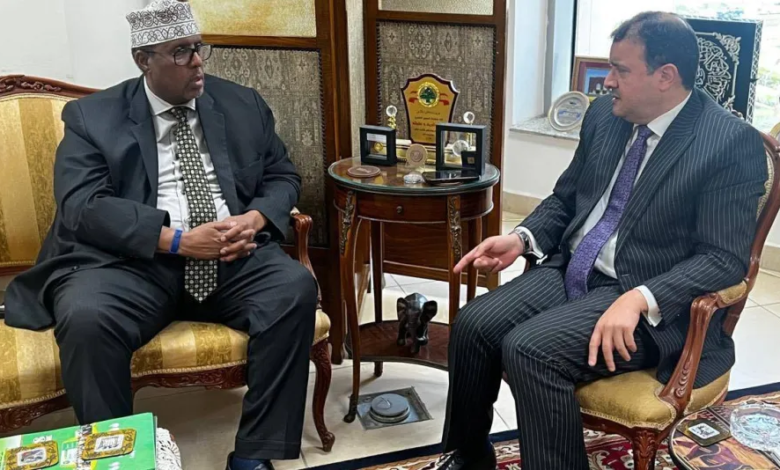
استجابة لهذه التهديدات المستمرة، تضافرت الجهود الدولية للحد من ظاهرة القرصنة من خلال تشكيل تحالفات بحرية دولية وتسيير دوريات عسكرية في المحيط الهندي وخليج عدن، مثل القوة البحرية المشتركة وعملية أتالانتا التابعة للاتحاد الأوروبي. وعلى المستوى المحلي، تبذل الحكومة المصرية، ممثلة في وزارة الخارجية والأجهزة الأمنية المعنية، جهوداً حثيثة ومستمرة للتفاوض وتأمين الإفراج عن البحارة المختطفين في مثل هذه الأزمات، معتمدة على القنوات الدبلوماسية والتواصل مع شيوخ القبائل والجهات الفاعلة في الصومال. ومع ذلك، تبقى الحاجة ماسة إلى إيجاد حلول جذرية لمعالجة الأسباب الكامنة وراء القرصنة، والمتمثلة في الفقر وانعدام الاستقرار في الصومال، لضمان أمن وسلامة الملاحة البحرية وحماية أرواح الأبرياء.