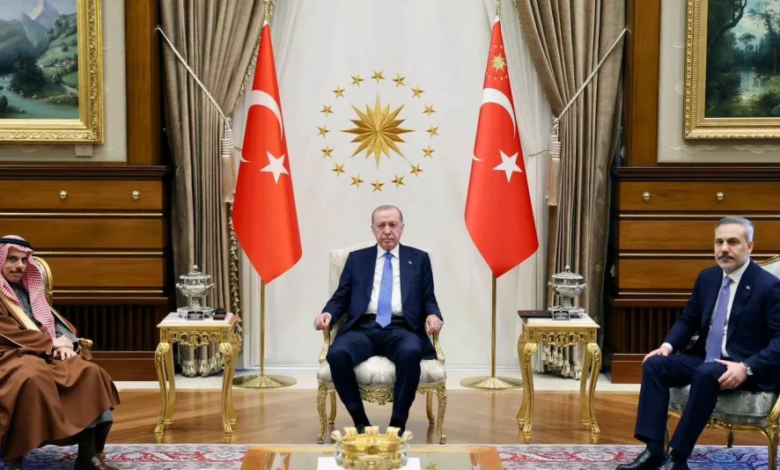

In a significant diplomatic move reflecting the positive development and rapid growth of bilateral relations, the Kingdom of Saudi Arabia and the Republic of Turkey announced the signing of a joint agreement providing for the mutual exemption of entry visas for holders of diplomatic, special, and service passports. This agreement marks the culmination of a new phase of cooperation and coordination between the two countries and opens broader horizons for facilitating the movement of officials and diplomats between Riyadh and Ankara.
Historical background and political context
This agreement comes amid a marked improvement in Saudi-Turkish relations in recent years, following a period of diplomatic strain. The past period has witnessed an exchange of high-level visits, most notably the visit of His Excellency President Recep Tayyip Erdoğan of Turkey to the Kingdom, and the visit of His Royal Highness Prince Mohammed bin Salman bin Abdulaziz, Crown Prince and Prime Minister, to Turkey. These visits have revitalized relations and paved the way for enhanced cooperation in various political, economic, and security fields. The visa exemption agreement is considered one of the tangible fruits of this rapprochement.
The importance of the agreement and its expected impact
This step is of great importance on several levels. Diplomatically, the agreement sends a strong message about the depth of mutual trust and the shared desire to remove bureaucratic obstacles that might hinder official communication. This measure will accelerate consultations and coordination between the foreign ministries and other government entities in both countries, thereby enhancing the effectiveness of joint diplomatic efforts to address regional and international challenges.
On the economic front, while the agreement is currently limited to specific passport categories, it represents a positive step that could pave the way for broader facilitations in the future, encompassing businesspeople, investors, and perhaps even tourists. Facilitating the movement of official and trade delegations will accelerate negotiations on trade and investment agreements and enhance opportunities for partnerships between the public and private sectors in both countries, which are major economic powers in the region. This is expected to have a positive impact on the volume of trade, which both countries are striving to significantly increase in the coming years.
Future outlook
Observers view this agreement as a first step in a series of measures aimed at building a comprehensive strategic partnership between the Kingdom and Turkey. With the continued positive momentum in relations, we may see the visa exemption extended to citizens holding ordinary passports in the near future, which would represent a qualitative leap in the tourism and travel sectors and deepen the people-to-people and cultural ties between the two brotherly nations.