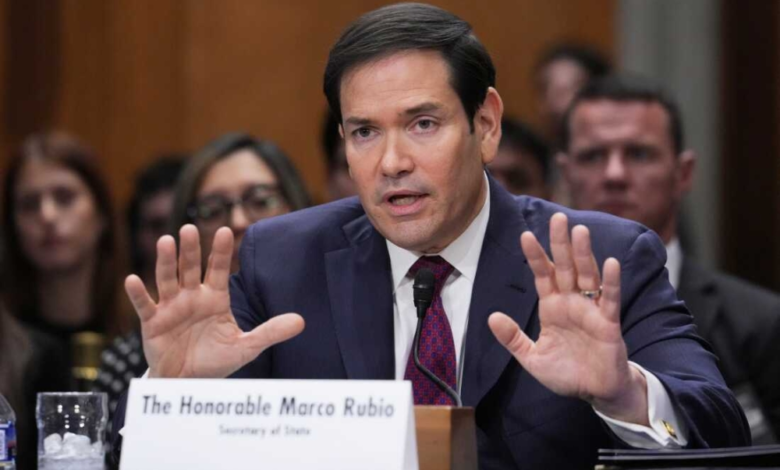

في تطور يعكس عمق الخلافات داخل التحالف الغربي، جدد وزير الخارجية الأمريكي ماركو روبيو انتقاداته الحادة لحلف شمال الأطلسي (الناتو)، وذلك على خلفية إحجام الدول الأعضاء عن تقديم الدعم العسكري واللوجستي في الحرب الأمريكية على إيران. وجاءت هذه التصريحات بالتزامن مع توجه روبيو إلى السويد للمشاركة في اجتماع حاسم لوزراء خارجية دول الحلف، مما يضع مستقبل التعاون العسكري بين ضفتي الأطلسي أمام اختبار حقيقي.
السياق التاريخي والخلافات حول المهام خارج النطاق
تاريخياً، تأسس حلف الناتو كدرع دفاعي لمواجهة الاتحاد السوفيتي إبان الحرب الباردة، وتستند عقيدته إلى المادة الخامسة التي تنص على الدفاع المشترك. ومع ذلك، طالما شكلت العمليات العسكرية خارج النطاق الجغرافي للحلف، وتحديداً في الشرق الأوسط، نقطة خلاف جوهرية بين واشنطن والعواصم الأوروبية، وهو ما يعيد للأذهان الانقسامات العميقة التي رافقت غزو العراق عام 2003. وتعتمد الولايات المتحدة بشكل كبير على القواعد العسكرية في أوروبا، كمنصات انطلاق حيوية لعملياتها في الشرق الأوسط، مما يجعل أي رفض أوروبي لاستخدامها ضربة للاستراتيجية الأمريكية.
روبيو يتساءل عن جدوى التحالف الأطلسي
وفي حديثه للصحفيين، أوضح روبيو أن العديد من دول الناتو تتفق سراً مع واشنطن على خطورة البرنامج النووي الإيراني، وأن طهران تشكل تهديداً صريحاً للأمن العالمي ولا يمكن السماح لها بامتلاك سلاح نووي. وأشار إلى أن الرئيس دونالد ترامب يعتزم اتخاذ خطوات حاسمة حيال هذا التراخي الأوروبي. وشدد روبيو على أن واشنطن لم تطلب من الحلفاء إرسال قوات أو مقاتلات إلى الخطوط الأمامية، بل اقتصر الطلب على الدعم اللوجستي، معرباً عن استيائه الشديد من الرفض الأوروبي التام للمساعدة.
وتساءل روبيو بوضوح عن المبرر الاستراتيجي لبقاء الولايات المتحدة في الناتو، قائلاً: “لقد كنت طوال مسيرتي السياسية داعماً قوياً لحلف الناتو، وأدرك تماماً أهميته لأوروبا، لكن ما هي فائدته لأمريكا؟ إن المبرر الرئيسي لوجودنا في هذا الحلف هو توفير قواعد عسكرية تتيح لنا إظهار قوتنا وحماية مصالحنا خلال الأزمات الطارئة في الشرق الأوسط أو في أي مكان آخر. وعندما ترفض دول مثل إسبانيا السماح لنا باستخدام هذه القواعد، فمن المنطقي أن نتساءل: لماذا نحن في الناتو أصلاً؟”، معتبراً أن هذا التساؤل عادل للغاية في ظل الظروف الراهنة.
تداعيات الحرب وإغلاق مضيق هرمز
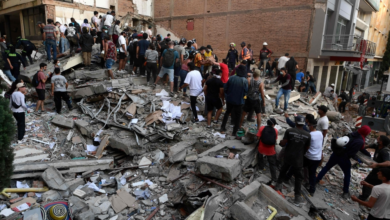
تعود جذور الأزمة الحالية إلى 28 فبراير، عندما أطلقت الولايات المتحدة وإسرائيل عمليات عسكرية ضد إيران دون تشاور مسبق مع الدول الأعضاء في حلف الناتو. وقد أثار هذا التحرك المنفرد شكوكاً واسعة بين الحلفاء حول ضرورة الانجرار إلى حرب إقليمية شاملة، خاصة في ظل الجدل القائم حول دقة التقييمات الأمريكية والإسرائيلية بشأن التهديد النووي الإيراني.
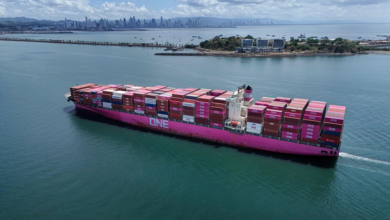
وكانت التداعيات الاقتصادية للحرب فورية وكارثية على المستوى الدولي؛ حيث أسفر الرد الإيراني عن إغلاق مضيق هرمز، وهو الممر المائي الاستراتيجي الذي يمر عبره نحو خُمس إمدادات النفط العالمي ونسبة كبيرة من الغاز الطبيعي المسال. وقد أدى هذا الإغلاق إلى اضطرابات حادة وغير مسبوقة في أسواق الطاقة العالمية، مما يهدد بركود اقتصادي عالمي يطال الدول الأوروبية المعتمدة بشكل كبير على واردات الطاقة.
مواقف أوروبية رافضة ورد أمريكي حازم
في مواجهة التصعيد، صدرت مواقف أوروبية منتقدة بشدة للحرب من دول رئيسية في الحلف. فقد وصف رئيس الوزراء الإسباني بيدرو سانشيز العمليات العسكرية بأنها غير قانونية، متخذاً قراراً سيادياً برفض السماح للطائرات الأمريكية باستخدام القواعد العسكرية الإسبانية. من جانبه، أشار المستشار الألماني فريدريش ميرتس إلى أن طهران وجهت إهانات لواشنطن خلال المحادثات، مما يعكس تعقيد المشهد الدبلوماسي.
هذه المواقف الأوروبية الرافضة أثارت غضباً عارماً داخل الإدارة الأمريكية، التي قررت اتخاذ إجراءات عقابية سريعة. وفي خطوة تعكس تراجع الثقة بين الحلفاء، أعلنت واشنطن سحب 5000 جندي أمريكي من ألمانيا، مما ينذر بتغييرات هيكلية عميقة في التواجد العسكري الأمريكي في القارة الأوروبية ويطرح تساؤلات جدية حول مستقبل التماسك الأمني لحلف شمال الأطلسي.