
عودة منطقة نشطة على سطح الشمس
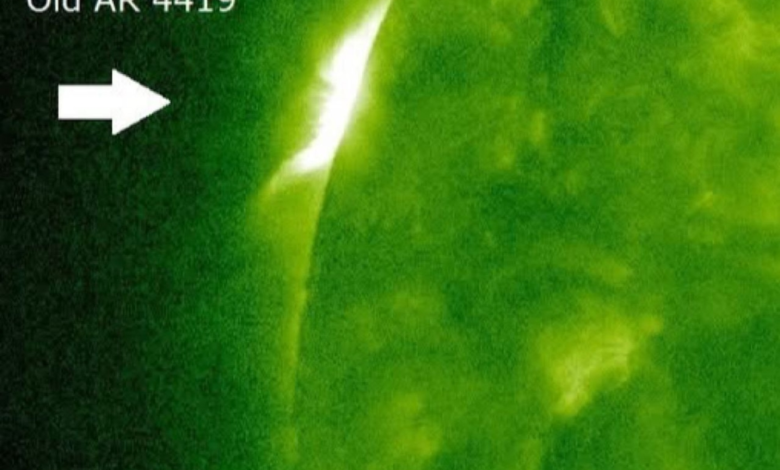
أعلنت الجمعية الفلكية بجدة عن رصدها عودة البقعة الشمسية النشطة التي تحمل الرمز 4419 إلى الواجهة المقابلة للأرض من الشمس، وذلك بعد أن أكملت دورة كاملة حول النجم. وأوضح رئيس الجمعية، المهندس ماجد أبوزاهرة، أن هذه المنطقة أثارت اهتمامًا كبيرًا في أواخر شهر أبريل الماضي عندما أطلقت توهجين شمسيين من الفئة X، وهي أقوى فئات التوهجات، بينما كانت تقترب من حافة الطرف الغربي للشمس.
السياق العلمي: الدورة الشمسية 25
تأتي هذه العودة في وقت حساس، حيث تقترب الشمس من ذروة نشاطها في دورتها الشمسية الحالية، المعروفة بالدورة الشمسية 25. تمتد الدورة الشمسية لحوالي 11 عامًا، وتتأرجح بين فترة من الهدوء النسبي (الحد الأدنى الشمسي) وفترة من النشاط المكثف (الحد الأقصى الشمسي). يتوقع العلماء أن نصل إلى ذروة هذه الدورة خلال العامين 2024 و2025، مما يعني زيادة في تواتر وشدة الظواهر الشمسية مثل البقع الشمسية والتوهجات والانبعاثات الكتلية الإكليلية.
ما هي البقع الشمسية والتوهجات؟
البقع الشمسية هي مناطق على سطح الشمس تبدو داكنة لأنها أبرد من المناطق المحيطة بها. تنتج هذه البرودة عن مجالات مغناطيسية شديدة القوة تمنع تدفق الحرارة من باطن الشمس إلى السطح. وعندما تصبح هذه المجالات المغناطيسية معقدة وملتوية، يمكن أن تطلق فجأة كميات هائلة من الطاقة على شكل توهجات شمسية (Solar Flares) وانبعاثات كتلية إكليلية (CMEs).
وأشار أبوزاهرة إلى أن بيانات مراقبة الطقس الفضائي تؤكد أن المنطقة 4419 لا تزال تحتفظ بتركيب مغناطيسي معقد، مع رصد تدفقات مستمرة من البلازما، وهو ما يمهد لاحتمالية حدوث نشاط شمسي متزايد خلال الأيام القادمة. وبما أن البقعة تواجه الأرض الآن، فإن أي انبعاثات قوية ستكون موجهة مباشرة نحو كوكبنا.
التأثيرات المحتملة على الأرض
تشكل التوهجات الشمسية القوية والانبعاثات الكتلية الإكليلية الموجهة نحو الأرض تهديدًا للبنية التحتية التكنولوجية الحديثة. يمكن أن تشمل التأثيرات ما يلي:
- اضطرابات في الاتصالات: يمكن للإشعاع الناتج عن التوهجات أن يؤثر على طبقة الأيونوسفير في الغلاف الجوي للأرض، مما يتسبب في انقطاع الاتصالات اللاسلكية عالية التردد التي تستخدمها الطائرات والسفن.
- تهديد الأقمار الصناعية: الجسيمات المشحونة عالية الطاقة يمكن أن تلحق الضرر بالإلكترونيات الحساسة على متن الأقمار الصناعية، وتؤثر على أنظمة الملاحة العالمية (GPS).
- شبكات الطاقة الكهربائية: يمكن للعواصف الجيومغناطيسية الناتجة عن وصول الانبعاثات الكتلية أن تحدث تيارات كهربائية في خطوط الطاقة الطويلة، مما قد يؤدي إلى إتلاف المحولات وانقطاع التيار على نطاق واسع.
- ظاهرة الشفق القطبي: على الجانب الإيجابي، تؤدي هذه العواصف إلى ظهور الشفق القطبي المذهل، وقد تجعله مرئيًا في مناطق على خطوط عرض أقل من المعتاد.
واختتم أبوزاهرة بالتأكيد على أن مراكز الطقس الفضائي حول العالم، بما في ذلك المراصد المحلية، تتابع تطورات هذه البقعة عن كثب لتقييم المخاطر المحتملة وإصدار التحذيرات اللازمة لحماية الأنظمة الحيوية التي يعتمد عليها عالمنا اليوم.