
Explosion heard north of Tehran, alarming residents
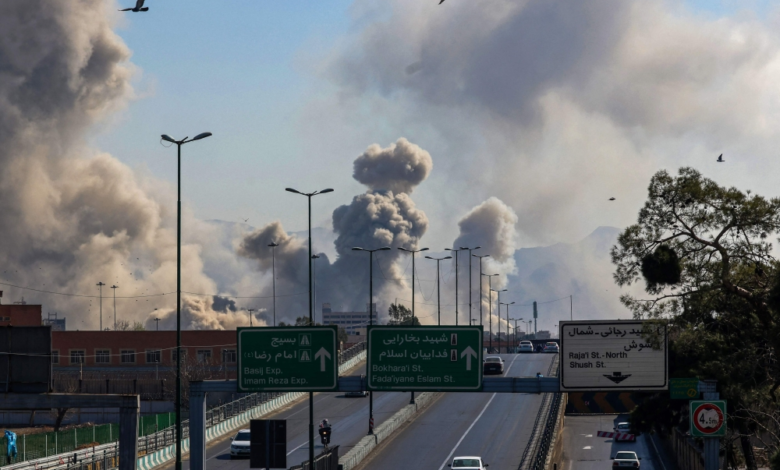
rocked northern Tehran, the Iranian capital, on Friday, sparking widespread concern and apprehension among residents. Eyewitnesses reported a thick plume of gray smoke rising into the sky over the city's northern district, while residents felt windows and buildings shake from the force of the blast. As of yet, authorities have not issued a statement specifying the exact location or cause of the explosion, leaving room for numerous speculations given the country's sensitive security situation.
General context and historical background of the event
The explosion in Tehran cannot be understood in isolation from the broader context and historical background of the Middle East. This development comes amidst a state of heightened alert and an escalating, undeclared war that began with a series of attacks and reciprocal strikes, including US and Israeli attacks targeting Iranian sites more than a month ago. Historically, Iran, and specifically Tehran and its surrounding areas, has witnessed similar incidents targeting sensitive facilities—military, nuclear, and industrial—within the context of what is known as the “shadow war” between Tehran and Tel Aviv and their respective allies. This long history of reciprocal attacks makes any explosion in the Iranian capital an event with extremely serious security and military implications, requiring an immediate mobilization of Iranian security and defense forces.
The strategic importance of northern Tehran
The northern part of the Iranian capital holds particular strategic and geographical importance. It is not only an upscale area housing diplomatic missions and residences for high-ranking officials, but it is also surrounded by rugged mountainous terrain, parts of which contain facilities and research centers belonging to the Iranian Revolutionary Guard and the Ministry of Defense. Therefore, an explosion in this geographical area raises serious questions about the nature of the target and whether the incident was accidental, resulting from a technical malfunction at one of the facilities, or a deliberate cyberattack or act of sabotage as part of an ongoing series of attacks.
Expected impacts: locally, regionally, and internationally
This event carries with it expected repercussions and effects on several levels:
- Domestically, an explosion of this magnitude creates a state of security and social confusion. It puts further strain on Iran's already weakened economy and could lead to rapid fluctuations in the value of the local currency against foreign currencies. It also places additional pressure on the Iranian government to provide clear and swift answers to domestic public opinion and to strengthen its air and ground defenses.
- Regionally: With conflicts raging across the Middle East, this explosion represents a potential escalation. If the explosion is confirmed to have been the result of a hostile act, it could prompt Iranian-backed armed groups in the region to raise their alert levels, potentially leading to retaliatory actions that could broaden the conflict to new fronts.
- Internationally, the international community, led by the United States and European countries, is watching these developments with grave concern. Any direct escalation within Iranian territory threatens the security of navigation in the Arabian Gulf and the Strait of Hormuz, which would immediately impact global energy markets and oil prices, and hinder any ongoing diplomatic efforts to de-escalate tensions in the region.