
Introduction to the flood disaster in Yemen
Several Yemeni governorates are experiencing severe weather changes, resulting in flash floods and unprecedented flooding. These natural disasters have claimed the lives of dozens of civilians, caused widespread destruction of homes, and severely damaged already fragile infrastructure. These developments add a new burden to the already strained humanitarian and economic crises faced by Yemeni citizens.
General context and historical background
Historically, Yemen experiences cyclical rainy seasons, primarily concentrated in spring and summer. However, the rugged mountainous terrain of many governorates, such as Sana'a, Taiz, Ibb, and Hodeidah, makes them prone to flash floods that rush down into valleys and low-lying areas. The ongoing armed conflict since late 2014 has exacerbated these disasters in recent years, leading to:
- Destruction and deterioration of basic infrastructure.
- Periodic maintenance projects for dams and water drainage channels have been halted.
- The state institutions' limited ability to respond quickly to emergencies.
These factors combined have left Yemeni cities and villages without real protection against the wrath of nature and the severe weather fluctuations that hit the region.
Expected impact and importance (locally, regionally and internationally)
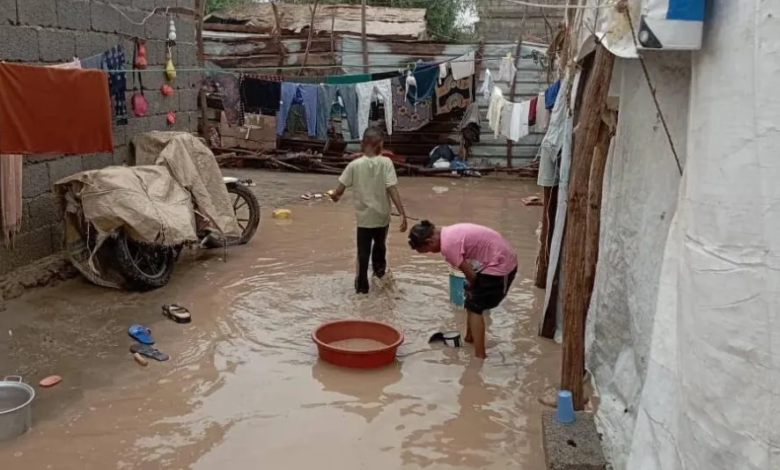
Domestically, the floods in Yemen displaced thousands of families, particularly internally displaced persons living in makeshift camps that lack even the most basic infrastructure to withstand natural disasters. The floods have also washed away vast areas of farmland, threatening food security in a country where a large portion of the population depends on agriculture and which already suffers from high rates of malnutrition. Furthermore, stagnant water and damaged sanitation systems raise the risk of outbreaks of serious diseases and epidemics such as cholera and malaria.
Regionally and internationally, this disaster highlights the serious repercussions of climate change, which is now impacting the Arabian Peninsula at an unprecedented and accelerating pace. These events have prompted international organizations and UN agencies to launch urgent appeals for humanitarian and relief assistance for those affected.
The role of climate change and the solutions required
The worsening humanitarian crisis caused by the floods requires urgent international intervention, not only to provide emergency aid but also to support climate change adaptation projects and the rehabilitation of vital infrastructure. In short, this disaster is not merely a passing natural phenomenon, but a complex humanitarian and environmental crisis demanding concerted efforts. Protecting lives and property necessitates comprehensive early warning strategies and the provision of the necessary funding to address the impacts of climate change in one of the world's most vulnerable countries.