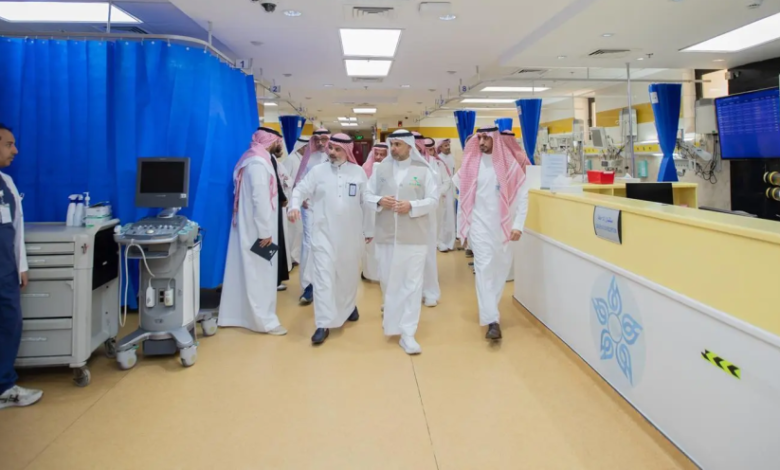

As part of the extensive preparations for the 1445 AH Hajj season, His Excellency the Minister of Health, Mr. Fahd bin Abdulrahman Al-Jalajel, conducted a comprehensive two-day inspection tour in Makkah. The tour aimed to assess firsthand the readiness of health facilities and the preparedness of medical and technical staff to provide the highest levels of healthcare to the pilgrims, reflecting the great attention given by the government of the Custodian of the Two Holy Mosques, King Salman bin Abdulaziz Al Saud, and His Royal Highness the Crown Prince, Prince Mohammed bin Salman bin Abdulaziz – may God protect them – to ensuring the health and safety of the pilgrims.
Historical background and significance of the event
The Hajj pilgrimage is the world's largest annual religious gathering, drawing millions of Muslims from across the globe. Managing this massive crowd presents a significant logistical and health challenge, an area in which Saudi Arabia possesses extensive historical expertise. Over the decades, the Kingdom has developed a comprehensive, seasonal healthcare system specifically for Hajj, focusing on infectious disease prevention, rapid emergency response, and the provision of specialized medical services. These annual inspection tours are a fundamental part of the preparedness protocol, ensuring the efficient implementation of all operational plans.
Details of the inspection tour
Minister Al-Jalajel's tour included several vital hospitals and health centers in Mecca and the holy sites. Among the most prominent facilities inspected were:
- Ajyad Emergency Hospital and Al-Jawaar Hospital are close to the Grand Mosque in Mecca.
- Major hospitals in Mecca include King Faisal Hospital, Al Noor Specialist Hospital, and King Abdulaziz Hospital.
- King Abdullah Medical City, which is a reference center for complex and critical cases.
His Excellency also reviewed the readiness of the Ministry of Health's Command and Control Center, which coordinates health operations across all sectors, and the mechanisms for ambulance services and their integration with hospitals to ensure the rapid transfer of emergency cases. The Minister emphasized that operational plans focus on integrating preventive, curative, and emergency services to provide a comprehensive and integrated healthcare model.
Strategic impact and its connection to Vision 2030
These efforts align with the goals of the Kingdom's Vision 2030 and the Health Sector Transformation Program, which aim to improve the quality of healthcare services and facilitate access to them. Services are no longer limited to traditional treatment but now include the use of cutting-edge technologies such as the virtual hospital, which offers remote consultations, and digital health applications for monitoring pilgrims' health. The successful management of the Hajj season from a health perspective not only enhances the safety of pilgrims locally but also solidifies the Kingdom's position as a leading nation in crowd management and the provision of advanced healthcare services internationally, reflecting a positive image of the Kingdom's organizational and technological capabilities to the world.
At the conclusion of his tour, the Minister of Health emphasized that the health and safety of the pilgrims is the top priority, and that all health and administrative personnel are on high alert to serve them. He noted that the integration among the various government agencies involved in serving the pilgrims is the key to success each season, affirming that the health system is prepared to handle all scenarios efficiently and professionally to ensure that pilgrims perform their rituals in good health and peace of mind.