
Introduction: Geopolitical tensions cast a shadow
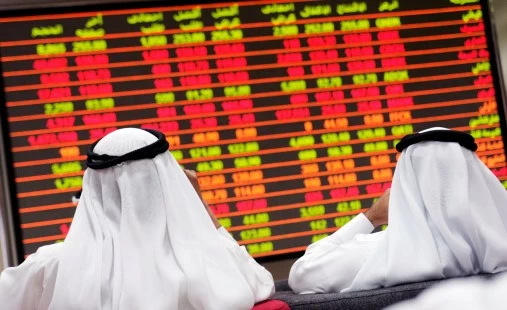
Gulf stock markets are experiencing a state of cautious anticipation amid escalating geopolitical tensions in the Middle East and a return to mutual threats. Investors are focused this week on the fate of the deadline set by US President Donald Trump for Iran. This development has instilled a sense of extreme caution in investor decisions, contributing to market volatility and pushing them toward unstable trajectories.
The historical context of the tensions and their financial impact
Historically, the Arabian Gulf region has been sensitive to political fluctuations between the United States and Iran. Since the US withdrawal from the Iran nuclear deal in 2018 and the reimposition of stringent economic sanctions, regional markets have experienced repeated waves of volatility. Investors in the region are accustomed to pricing in geopolitical risk, but the imposition of rigid timelines increases uncertainty, which is the biggest challenge for financial markets, prompting capital to seek temporary safe havens.
Repositioning: Between Risks and Investment Opportunities
While a wait-and-see approach prevails among investors due to fears of potential military or economic escalation, financial analysts believe that recent market declines have, conversely, opened up excellent selective investment opportunities. These opportunities are driven by sharp drops in the prices of some leading stocks and attractive valuation multiples. Key sectors such as the Gulf banking sector stand out, as it continues to enjoy high financial strength, strong capitalization, and government monetary support that enables it to absorb shocks and continue its growth.
Safe havens and investor trends
Experts explained that the prevailing uncertainty has prompted a wide range of investors to change their strategies and shift towards core consumer sectors that are less affected by economic cycles or political crises. A noticeable trend towards fixed-income instruments such as short-term bonds and sukuk has also been observed, aimed at protecting capital and avoiding sharp fluctuations in stock markets during this critical period.
Field threats and their regional and international impact
On the ground, recent developments, including the repeated targeting of power plants and desalination facilities, have sparked widespread concern. These events not only affect the behavior of local investors, who may rush to sell out of fear or panic, but their repercussions extend to the global economy. The Gulf region is a major artery of global energy supplies, and any threat to vital infrastructure is immediately reflected in global oil prices, which in turn affects inflation rates and international economic growth.
Market outlook
Ultimately, attention is turning to how investment portfolios will be managed and repositioned in the coming period. Large financial institutions often capitalize on these downturns to increase their stakes in companies with strong fundamentals, while individual investors remain more vulnerable to the fluctuations of daily news. The coming days will be crucial in determining the trajectory of Gulf stock markets, depending on the political and economic developments related to the US deadline.