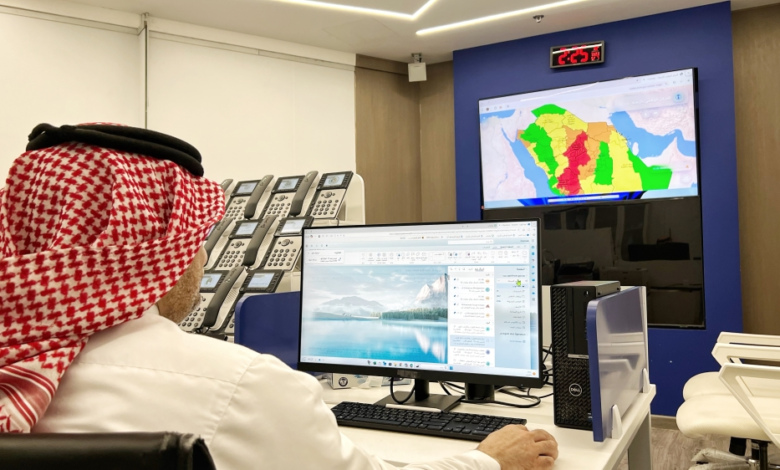

تعزيز الجاهزية لموسم الحج: 24 جهة حكومية تشارك في تمرين “رصد 12”
في إطار الاستعدادات المكثفة لضمان سلامة وأمن ضيوف الرحمن، نفذ المركز الوطني للأرصاد في مقره الرئيسي بمحافظة جدة، تمرين “رصد – 12” الافتراضي، الذي شهد مشاركة واسعة من 24 جهة حكومية معنية بإدارة الطوارئ والأزمات. يهدف هذا التمرين الاستراتيجي إلى رفع درجة الجاهزية والتنسيق لموسم حج عام 1447هـ، مع التركيز بشكل خاص على مواجهة الظواهر الجوية الطارئة والمخاطر المناخية المحتملة.
السياق العام: أهمية الاستعداد المسبق لموسم الحج
يُعد موسم الحج أحد أكبر التجمعات البشرية السنوية في العالم، حيث تستقبل المملكة العربية السعودية ملايين الحجاج من مختلف أنحاء العالم. وتولي حكومة المملكة أهمية قصوى لضمان توفير بيئة آمنة وميسرة لأداء المناسك. على مر العقود، طورت المملكة منظومة متكاملة لإدارة الحشود وخدمات الطوارئ، وتأتي التمارين الفرضية مثل “رصد 12” كجزء أساسي من هذه المنظومة. فهي لا تختبر الخطط على الورق فحسب، بل تضعها قيد التنفيذ العملي لقياس الفعالية وتحديد نقاط التحسين، خاصة في ظل التحديات المناخية المتزايدة عالمياً، والتي تجعل من التنبؤات الجوية الدقيقة والاستجابة السريعة أمراً حيوياً.
أهداف وتفاصيل تمرين “رصد 12”
تمحور سيناريو التمرين حول محاكاة واقعية لارتفاع حاد في درجات الحرارة السطحية على العاصمة المقدسة والمشاعر، بالتزامن مع وجود كثافة بشرية عالية. وركز التمرين على اختبار آليات الإبلاغ والتمرير والتصعيد للمعلومات المتعلقة بالظواهر الجوية، والتأكد من فاعلية خطة الطوارئ التفصيلية لموسم الحج. وشملت الفرضية إصدار “تقرير التوقعات المناخية” و”التقرير الاستباقي”، مع تحليل الأثر المحتمل للحالة الجوية، بما في ذلك مخاطر الإجهاد الحراري وضربات الشمس، وهي من أبرز التحديات الصحية خلال موسم الحج.
التأثير المحلي والدولي: تكامل وطني وسمعة عالمية
على الصعيد المحلي، يعزز التمرين التكامل المؤسسي بين الجهات المشاركة، ويضمن وجود استجابة موحدة ومنسقة في زمن قياسي. الهدف هو تحويل التقارير والإنذارات الجوية إلى إجراءات ميدانية ملموسة تسهم في حماية الأرواح، مثل تفعيل مناطق التبريد، ونشر الفرق الطبية، وتوجيه الحجاج عبر رسائل توعوية. أما على الصعيد الدولي، فإن نجاح المملكة في إدارة موسم الحج بأمان يعكس قدرتها وكفاءتها في تنظيم وإدارة الفعاليات العالمية الكبرى. إن سلامة الحجاج القادمين من أكثر من 180 دولة هي مسؤولية عالمية، والجهود المبذولة في هذا الإطار تعزز من مكانة المملكة كقائد في العالم الإسلامي وكرائد في مجال إدارة الأزمات والكوارث.
نحو تطوير مستمر
واختتم التمرين بإجراءات تقييم دقيقة للأداء من قبل فريق متخصص، بهدف حصر وتوثيق الأداء بنسبة 100%، وتحديد نقاط القوة وفرص التحسين. ويؤكد المركز الوطني للأرصاد من خلال هذه المبادرة على التزامه بالتطوير المستمر، وضمان استدامة قنوات التواصل الرقمية لتبادل البيانات والمعلومات بكفاءة عالية، بما يخدم سلامة وراحة ضيوف الرحمن ويحقق مستهدفات رؤية السعودية 2030 في الارتقاء بتجربة الحج والعمرة.