Civil Defense in Hajj: Proactive plans to ensure the safety of pilgrims 1448

Throughout history, the Hajj pilgrimage has always been fraught with challenges, as pilgrims traversed long and arduous routes to reach the Holy Kaaba, facing the hardships of travel and limited resources. Today, thanks to the exceptional care provided by the Kingdom of Saudi Arabia, this journey has transformed into a safe and accessible spiritual experience, supported by a comprehensive system of services that prioritizes the security and well-being of pilgrims. At the heart of this system stands the Civil Defense's role in Hajj, serving as a safety net and a source of reassurance, accompanying pilgrims every step of their spiritual journey.
Historical development in serving pilgrims
Since its founding, the Kingdom of Saudi Arabia has undertaken the honor of serving the Two Holy Mosques and caring for their visitors. Over time, this service has evolved from traditional efforts to organized institutional operations utilizing the latest scientific and technological advancements. Whereas Hajj journeys once relied on the endurance of caravans, today they are supported by a massive infrastructure of roads, airports, railways, and residential and healthcare facilities. This tremendous development has been accompanied by a surge in the number of pilgrims, reaching millions, which has presented unprecedented logistical and security challenges. This necessitated the establishment and development of specialized agencies, such as the General Directorate of Civil Defense, to ensure efficient and effective response to any emergency.
Integrated proactive efforts by the Civil Defense during Hajj
The Civil Defense's duties extend beyond responding to incidents; they begin even before the first pilgrim arrives in the Holy Land. The Directorate implements a comprehensive plan starting with preventative inspections of pilgrim accommodations in Mecca, Medina, and the Holy Sites to ensure they meet all safety requirements and to address any violations that could pose a risk. These efforts include thousands of field inspection tours of camps in Mina, hotels, and residential buildings, with a thorough review of fire suppression systems, emergency exits, and the safety of electrical wiring. These proactive measures aim to prevent risks from occurring in the first place and to provide a safe and secure environment for millions of pilgrims.
Field deployment and modern technologies in the holy sites
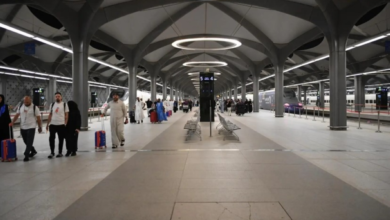
During the Hajj season, the Civil Defense's operations reach their peak, with its teams and equipment deployed throughout the holy sites. Permanent and seasonal centers are located in Mina, Arafat, and Muzdalifah, along pedestrian routes, at the Al-Mashaaer train stations, and around the Two Holy Mosques. These teams are equipped with the latest vehicles and specialized equipment for firefighting, rescue, and hazardous materials handling, supported by highly trained personnel. Modern technologies are also utilized, such as drones for aerial surveillance, and a command and control center connects all field units, ensuring rapid response and coordinated efforts to serve the pilgrims around the clock until they complete their rituals and depart safely.
With the departure of the last groups of pilgrims this year, preparations immediately begin for the next Hajj season (1448 AH / 2027 AD), with plans being evaluated and performance measured to continuously improve services, affirming the Kingdom’s firm commitment to providing the highest levels of care for the guests of God.