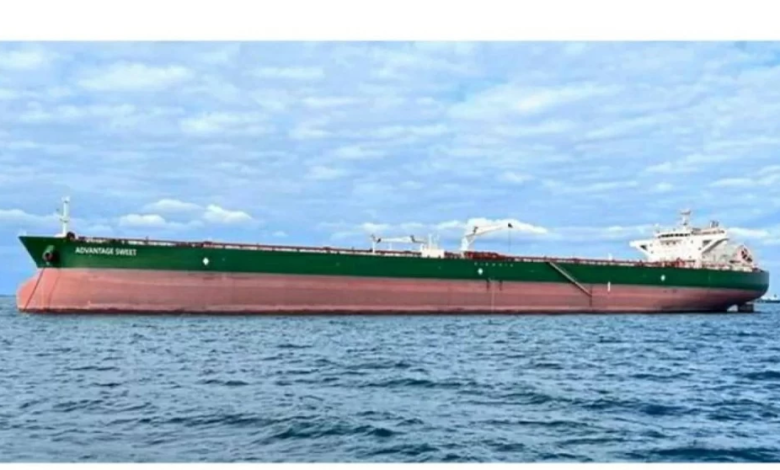

A noticeable decline in Saudi oil shipping fees from Yanbu port
Global energy markets have recently witnessed significant developments, including a decline in shipping fees charged by tanker owners for transporting Saudi crude oil from Red Sea ports, specifically Yanbu, to Asian markets. This noticeable decrease over the past few weeks coincides with an increased number of ships and supertankers arriving at Yanbu to load oil supplies that have been strategically diverted following recent tensions that led to the near-closure of the vital Strait of Hormuz.
Historical context and strategic importance of Yanbu port
Historically, the Strait of Hormuz has been the world's most important waterway for oil trade, with roughly one-fifth of global crude oil consumption passing through it. With escalating geopolitical tensions and military strikes in the region, the critical strategic importance of Saudi pipelines and Red Sea ports has become even more apparent. For decades, Saudi Arabia has invested in developing the infrastructure of Yanbu port and the East-West pipeline, creating a safety valve that ensures the continued flow of Saudi oil to global markets without dependence on a single waterway. This strategic approach has enabled the Kingdom to compensate for approximately half of the volumes that would normally pass through the Strait of Hormuz, reflecting the strength and resilience of the Saudi energy sector in the face of regional crises.
Sharp fluctuations in sea freight costs
In the early days of the crisis and the rerouting of shipping, maritime markets experienced unprecedented surges due to the sharp rise in demand for oil and ship insurance. According to reliable economic reports, prices jumped to record levels two weeks ago, exceeding 450 points on the Worldscale index, which translates to huge daily returns exceeding $450,000 per tanker.
However, these prices began to gradually decline as more tankers arrived in the Red Sea region. In this context, shipping brokers reported that an agreement had been reached to price the supertanker Sea Leopard, a 2011 VLCC built in 190, at 190 points on the freight index for a cargo shipment from Yanbu to South Korea in early April. This shipment received approximately 10 competitive bids, reflecting a price correction after it had fallen to 300 points last week. The tanker's age also contributed to the price reduction.
Expected impact on local and international markets
Domestically, Yanbu port demonstrated its remarkable resilience, with exports reaching an exceptional peak of 4.19 million barrels per day last week before experiencing a slight decline. This performance reinforces the Kingdom's position as a reliable and secure global energy supplier.
Regionally and internationally, the Arabian Gulf route to Asia has long dominated shipping, particularly to meet the needs of industrial giants like China, Japan, and South Korea. The shift to the new Yanbu route ensures a stable energy supply for these major industrial nations and mitigates the impact of price fluctuations on the end consumer.
Despite this success, logistical challenges remain. Tankers continue to arrive at Yanbu port hoping to secure oil shipments, given the slowdown in flows through other waterways. Currently, approximately 40 tankers are waiting to berth near the port, which is operating at full capacity, capable of accommodating four Very Large Crude Carriers (VLCCs) simultaneously. This underscores the port's continued high operational momentum in meeting global demand.