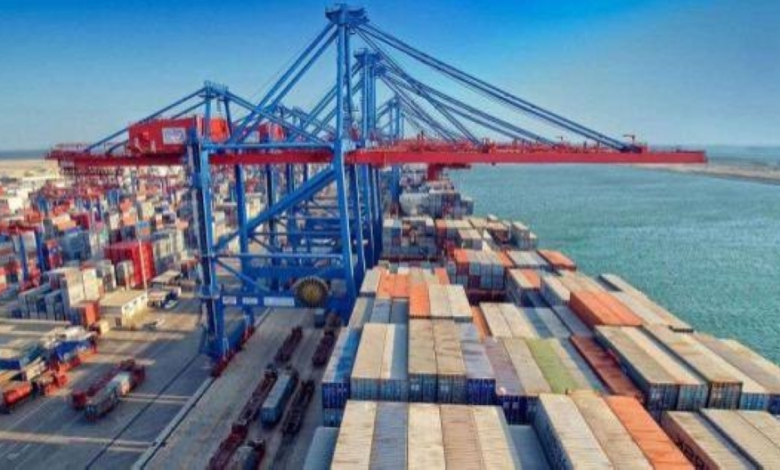

خطوة استراتيجية لتعزيز القطاع اللوجستي
في خطوة تنظيمية هامة تهدف إلى تعزيز كفاءة وجاذبية القطاع اللوجستي في المملكة العربية السعودية، أعلنت هيئة الزكاة والضريبة والجمارك (ZATCA) بالتنسيق مع الهيئة العامة للموانئ (موانئ) عن بدء تطبيق آلية موحدة ومحددة لاحتساب وتحصيل أجور التخزين والأرضيات في ثمانية من الموانئ السعودية الرئيسية. يأتي هذا القرار لتوحيد الإجراءات وتقديم بيئة عمل أكثر شفافية واستقراراً للمستوردين والمصدرين وجميع المتعاملين في قطاع النقل البحري.
السياق العام وأهداف رؤية 2030
يأتي هذا التنظيم الجديد كجزء لا يتجزأ من المبادرات الطموحة لرؤية المملكة 2030، والتي تهدف إلى تحويل السعودية إلى مركز لوجستي عالمي يربط بين قارات آسيا وأوروبا وأفريقيا. ففي السابق، كانت آليات احتساب رسوم الأرضيات قد تختلف من ميناء لآخر، مما كان يخلق نوعاً من عدم اليقين لدى الشركات ويؤثر على سلاسة حركة البضائع. ومن خلال توحيد هذه الإجراءات، تسعى المملكة إلى إزالة أي عوائق بيروقراطية وتسهيل التجارة عبر موانئها، التي تشمل: ميناء جدة الإسلامي، ميناء الملك عبد العزيز بالدمام، ميناء الملك عبد الله برابغ، ميناء الجبيل التجاري، ميناء الجبيل الصناعي، ميناء ينبع التجاري، ميناء جازان، وميناء رأس الخير.
أهمية القرار وتأثيره المتوقع
يحمل هذا القرار في طياته أهمية استراتيجية كبيرة على مختلف الأصعدة. فعلى الصعيد المحلي، من المتوقع أن يسهم في زيادة الشفافية وخفض التكاليف التشغيلية على الشركات، مما يعزز من تنافسية المنتجات الوطنية ويحسن من بيئة الأعمال بشكل عام. الآلية الجديدة، التي تربط بدء احتساب الرسوم بانتهاء فترة السماح النظامية للفسح الجمركي، تمنح المستوردين فترة واضحة ومحددة لإنهاء إجراءاتهم دون تكبد رسوم إضافية، مما يشجع على سرعة تخليص البضائع ويقلل من تكدس الحاويات.
أما على الصعيدين الإقليمي والدولي، فإن توحيد الإجراءات يجعل الموانئ السعودية أكثر جاذبية لخطوط الشحن العالمية وشركات الخدمات اللوجستية. هذا الاستقرار والوضوح في الرسوم يعزز من مكانة المملكة كلاعب رئيسي في حركة التجارة العالمية، ويدعم بشكل مباشر أهداف الاستراتيجية الوطنية للنقل والخدمات اللوجستية التي تسعى لرفع مؤشرات الأداء اللوجستي للمملكة عالمياً. ويمثل هذا التنظيم نقلة نوعية في إدارة العمليات المينائية، ويعكس التزاماً حكومياً راسخاً بتطوير البنية التحتية وتسهيل التجارة لتحقيق التنوع الاقتصادي المنشود.