
إنجاز طبي سعودي جديد
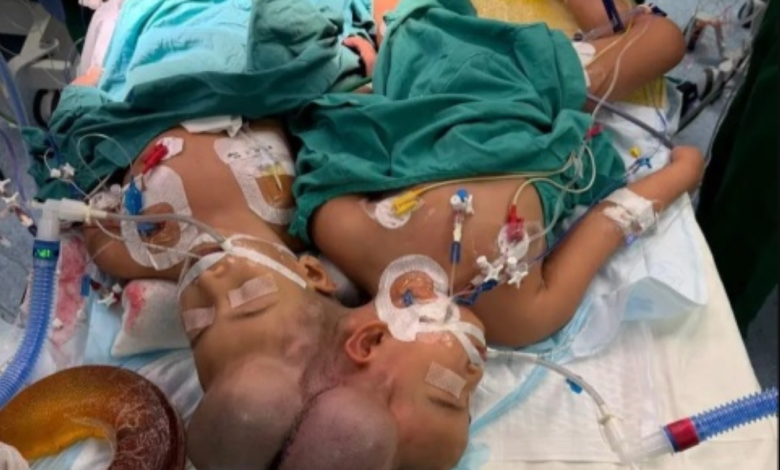
في إنجاز طبي وإنساني جديد يضاف إلى سجل المملكة العربية السعودية الحافل، بدأ الفريق الطبي والجراحي في مستشفى الملك عبد الله التخصصي للأطفال بالرياض، صباح اليوم الخميس، عملية فصل التوأم السيامي الفلبيني “كليا وموريس آن”، الملتصقتين بمنطقة الرأس. تأتي هذه العملية المعقدة إنفاذاً للتوجيهات الكريمة من خادم الحرمين الشريفين الملك سلمان بن عبد العزيز آل سعود، وصاحب السمو الملكي الأمير محمد بن سلمان بن عبد العزيز آل سعود، ولي العهد رئيس مجلس الوزراء، مما يجسد الدور الريادي للمملكة في العمل الإنساني العالمي.
البرنامج السعودي لفصل التوائم: مسيرة حافلة بالعطاء
تُعد هذه العملية الحلقة الأحدث في سلسلة نجاحات “البرنامج السعودي لفصل التوائم الملتصقة”، الذي انطلق عام 1990م وأصبح علامة فارقة على المستوى الدولي. على مدى أكثر من ثلاثة عقود، استطاع البرنامج، بقيادة المستشار بالديوان الملكي المشرف العام على مركز الملك سلمان للإغاثة والأعمال الإنسانية، الدكتور عبد الله بن عبد العزيز الربيعة، أن يمنح الأمل لمئات العائلات حول العالم. وقد قام البرنامج حتى اليوم بدراسة وتقييم 157 حالة من 28 دولة في خمس قارات، وتعتبر عملية التوأم الفلبيني هي العملية رقم 70 في مسيرته، مما يعكس الخبرة العميقة والكفاءة العالية التي يتمتع بها الكادر الطبي السعودي.
تحديات طبية غير مسبوقة
وصف الدكتور عبد الله الربيعة حالة التوأم “كليا وموريس آن” بأنها من أكثر حالات فصل التوائم السيامية تعقيداً على مستوى العالم. يعود هذا التعقيد إلى عدة عوامل طبية دقيقة، أبرزها الالتصاق في منطقة الرأس بزاوية معقدة، والاشتراك الواسع في الجيوب الوريدية الدماغية، بالإضافة إلى تداخل جزء من نسيج الدماغ بين الطفلتين. وتزداد الحالة صعوبة بسبب معاناة الطفلة “كليا” من قصور في عضلة القلب وضمور شديد في الكليتين مع فشل كلوي تام، مما يرفع من نسبة المخاطر الجراحية بشكل كبير. وأوضح الفريق الطبي أن نسبة نجاح العملية لا تتجاوز 50%، مع وجود احتمال بنسبة 60% لحدوث مضاعفات عصبية شديدة قد تؤدي إلى الإعاقة.
خطة جراحية دقيقة بمشاركة 30 مختصاً
لمواجهة هذه التحديات، وضع الفريق الجراحي خطة دقيقة لتنفيذ العملية على خمس مراحل، ومن المتوقع أن تستغرق حوالي 24 ساعة متواصلة. يشارك في هذا الماراثون الجراحي فريق متكامل يضم 30 من الاستشاريين والمختصين والكوادر التمريضية والفنية في تخصصات متعددة تشمل جراحة الأعصاب للأطفال، والتخدير، والعناية المركزة، والجراحة التجميلية، والأشعة المتقدمة. وقد تم شرح كافة تفاصيل الخطة العلاجية والمخاطر المحتملة لوالدي التوأم، اللذين أبديا تفهمهما وثقتهما الكبيرة في الفريق الطبي السعودي.
أبعاد إنسانية ودبلوماسية
تتجاوز هذه العملية أهميتها الطبية لتمثل رسالة إنسانية من المملكة إلى العالم، وتعزز من مكانتها كقوة رائدة في مجال “الدبلوماسية الطبية”. إن استضافة وعلاج التوأم الفلبيني على نفقة الدولة لا يعكس فقط التقدم الطبي الهائل في السعودية، بل يؤكد أيضاً على عمق العلاقات الثنائية بين المملكة والفلبين. كما يبرز هذا العمل الإنساني الدور المحوري لمركز الملك سلمان للإغاثة والأعمال الإنسانية في تقديم المساعدة للمحتاجين حول العالم بغض النظر عن العرق أو الدين، وترسيخ صورة المملكة كمنارة للأمل والعطاء.