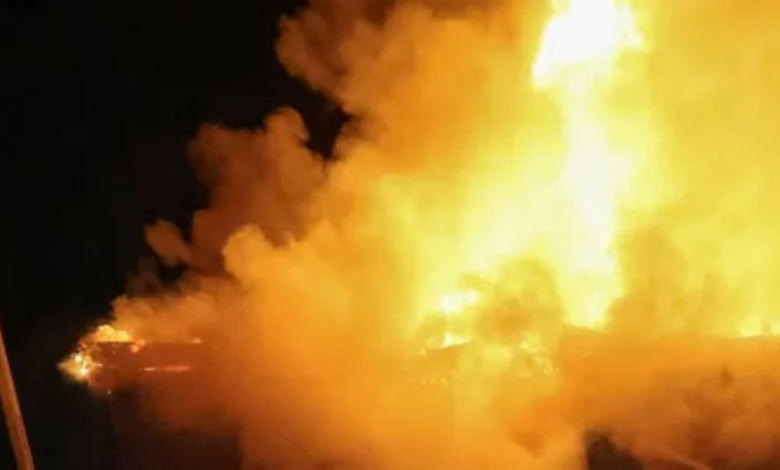

In a tragic incident highlighting the hidden dangers that still lurk underground decades after conflicts have ended, five children aged between 10 and 14 were injured when an unexploded ordnance detonated at a summer camp in northern Austria. The incident occurred in the quiet village of Sankt Oswald bei Freistadt, causing widespread shock in the local community.
According to a statement from the Austrian police, emergency services were immediately called to the scene, and the injured children were taken to the children's hospital in Linz for treatment. Authorities have not yet disclosed the severity of their injuries, but have confirmed that a thorough investigation has been launched to determine the circumstances of the horrific incident, the type of explosive device used, and how it reached the campsite, which is supposed to be a safe area for children.
Historical context: The bloody legacy of World War II
Austria, and especially its northern regions like Upper Austria where the incident occurred, was among the areas that witnessed fierce battles and heavy bombing during World War II. Nearly eight decades after the war ended, its deadly legacy remains buried in farmland, forests, and even residential areas. It is estimated that thousands of tons of unexploded bombs and ordnance (UXO) remain scattered across Europe, posing a continuing threat to daily life.
The importance of the incident and its expected impact
Locally, this incident has sparked public concern and prompted authorities to reassess safety procedures in public areas, particularly those frequented by children. New awareness campaigns targeting both children and adults are expected to be launched, educating them about the dangers of handling any suspicious objects and the importance of reporting them immediately. The incident also highlights the heroic work of bomb disposal teams, who work tirelessly to eliminate this persistent threat.
On a regional and international level, this tragedy serves as a painful reminder that the consequences of wars can last for generations after the fighting has ended. Countries like Germany, France, Poland, and Italy face similar challenges, with unexploded ordnance being discovered regularly during construction or agricultural activities. This incident underscores the importance of international cooperation and the sharing of expertise in the removal of unexploded ordnance, and the need for continued efforts to ensure that such tragedies are not repeated in the future.