عقوبات أمريكية جديدة على إيران تستهدف برامج الصواريخ والطائرات المسيرة

تصعيد أمريكي ضد إيران عبر عقوبات اقتصادية جديدة
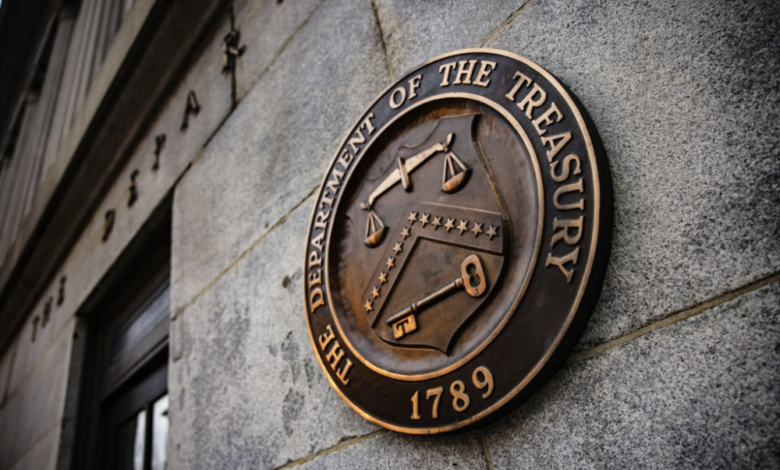
في خطوة استباقية تسبق زيارة الرئيس الأمريكي السابق دونالد ترامب إلى الصين، أعلنت وزارة الخزانة الأمريكية عن فرض حزمة جديدة من العقوبات استهدفت شبكة دولية مكونة من 10 أفراد وكيانات. ووجهت واشنطن اتهامات لهذه الشبكة بتقديم دعم مباشر للحرس الثوري الإيراني، وتحديداً لبرامج تطوير الطائرات المسيرة والصواريخ الباليستية التي تشكل حجر الزاوية في استراتيجية طهران العسكرية.
خلفية الصراع وسياسة الضغط الأقصى
تأتي هذه العقوبات ضمن سياق أوسع من سياسة “الضغط الأقصى” التي تبنتها إدارة ترامب تجاه إيران، خاصة بعد الانسحاب الأمريكي من الاتفاق النووي (خطة العمل الشاملة المشتركة) في عام 2018. هدفت هذه السياسة إلى شل الاقتصاد الإيراني وإجباره على العودة إلى طاولة المفاوضات بشروط أمريكية جديدة تشمل ليس فقط برنامجه النووي، بل أيضاً برامجه الصاروخية ونفوذه الإقليمي المزعزع للاستقرار. وتعتبر العقوبات الأداة الرئيسية في هذه الاستراتيجية، حيث تستهدف قطع شرايين التمويل عن الكيانات العسكرية والأمنية الإيرانية.
تفاصيل الشبكة المستهدفة وأنشطتها
أوضح بيان وزارة الخزانة أن مكتب مراقبة الأصول الأجنبية (OFAC) هو من أدار هذه العملية، مشيراً إلى أن الأفراد والكيانات المستهدفة ينشطون في شبكة معقدة تمتد عبر دول في الشرق الأوسط وآسيا وأوروبا الشرقية. ووفقاً للبيان، قامت هذه الشبكة بتسهيل عمليات شراء وتوريد مواد خام ومكونات تكنولوجية حساسة تدخل في صناعة الطائرات المسيرة من طراز “شاهد”، التي برز دورها بشكل كبير في صراعات المنطقة، بالإضافة إلى دعمها المباشر لبرنامج الصواريخ الباليستية الإيراني. وأكدت الخزانة أن هذه الإجراءات تهدف إلى تعطيل سلسلة التوريد العسكرية الإيرانية ومنعها من الحصول على التكنولوجيا المتقدمة.
الأهمية الاستراتيجية والتأثير المتوقع
تكتسب هذه العقوبات أهمية خاصة نظراً لتوقيتها وتأثيرها المحتمل على الصعيدين الإقليمي والدولي. فعلى المستوى الإقليمي، تبعث هذه الخطوة برسالة طمأنة لحلفاء الولايات المتحدة في المنطقة، الذين يعبرون باستمرار عن قلقهم من تنامي القدرات العسكرية الإيرانية واستخدامها عبر وكلائها لتهديد أمنهم القومي. أما دولياً، فإن فرض العقوبات قبل أيام قليلة من لقاء ترامب بالرئيس الصيني شي جينبينغ يحمل رسالة واضحة لبكين، التي تعتبر شريكاً تجارياً مهماً لطهران، مفادها أن واشنطن لن تتهاون مع أي جهة، سواء كانت شركات أو أفراد، يثبت تورطها في مساعدة إيران على التحايل على العقوبات. ومن المتوقع أن يكون الملف الإيراني وتداعياته على أسواق الطاقة العالمية بنداً رئيسياً على جدول أعمال القمة بين الزعيمين، حيث تسعى واشنطن لحشد دعم دولي أوسع لتضييق الخناق على طهران.