Sawiris' predictions for gold and the dollar after the events in Venezuela in 2026

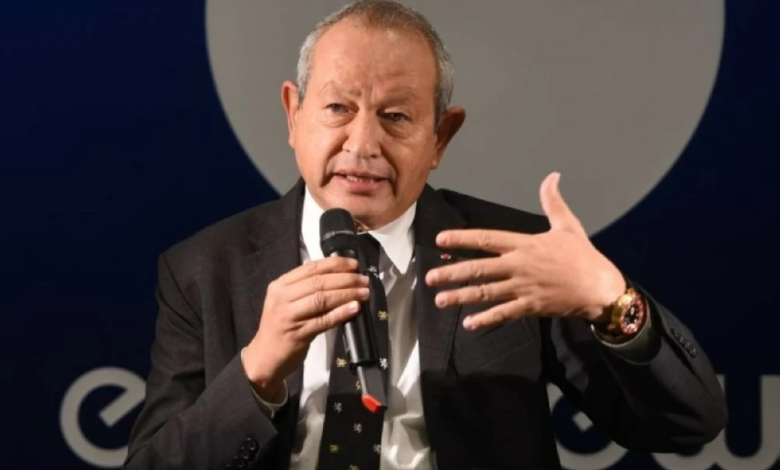
In a quick comment on the rapid events that took place on the international scene at the beginning of 2026, prominent Egyptian businessman, engineer Naguib Sawiris, described the recent American strike in Venezuela as “a stunning and unusual action,” stressing that this event will change the rules of the economic and geopolitical game during this year.
Sawiris’s remarks came in an exclusive interview with Al Arabiya Business, where he indicated that the arrest of Venezuelan President Nicolas Maduro and his extradition to the United States represents a major turning point, especially with the remarkable international silence and the lack of objection from major powers such as China and Russia to this measure, which raises the severity of global geopolitical risks.
Gold and dollar price forecasts
Regarding the direct economic impacts, Sawiris explained that 2026 will witness a continuation of the downward trend of the US dollar, a trend that has been emerging for some time, coinciding with a strong rise in safe-haven assets. The Egyptian businessman predicted that gold prices will continue their upward trajectory, estimating the expected increase for the precious metal at around 10% this year, following the record highs gold reached in 2025.
Analysts believe that Sawiris's predictions are based on a solid economic foundation, as investors typically turn to gold as a hedge against inflation and political turmoil, and with Venezuela entering a transitional phase managed by Washington, uncertainty in the markets is increasing, which strengthens gold's position.
The future of oil and Venezuela's reserves
Regarding the energy sector, Sawiris indicated that oil markets would be the first to be affected, anticipating price volatility at the start of the week's trading. Venezuela holds particular significance in this context, possessing the world's largest proven oil reserves, exceeding even those of Saudi Arabia.
The United States’ declaration of its intention to manage a transition and exploit these enormous reserves may change the global energy map in the long term, but it creates immediate price tension due to fears of supply disruptions or potential internal conflicts.
Details of the dramatic event
News broke yesterday that the Venezuelan president had arrived in New York in handcuffs, with the White House releasing videos showing Maduro wearing sandals and being escorted by agents from the Drug Enforcement Administration. The images show him being transported by helicopter to Manhattan, a scene that reflects the end of a long era of tension between Caracas and Washington, and the beginning of a new chapter that could reshape the Latin American economy and its impact on the global economy.