Extension of the Russian oil exemption: Between sanctions and energy stability

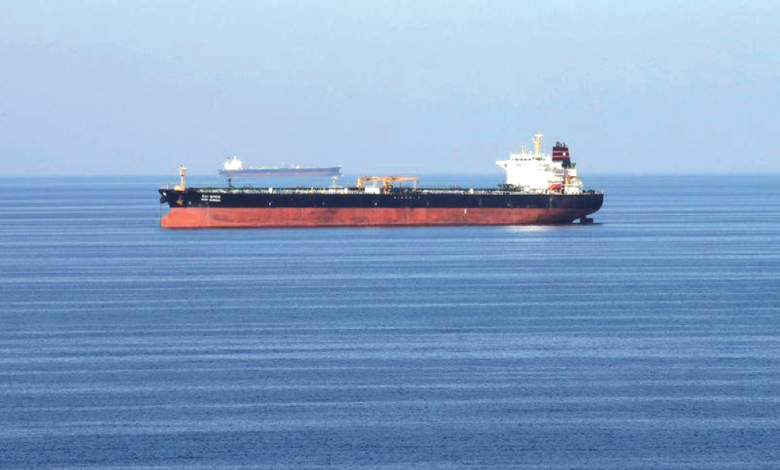
The US Treasury Department defended its decision to extend a temporary waiver from sanctions on Russia’s energy sector, a move that allows the continued sale of Russian oil already at sea. This stance comes amid ongoing international efforts to pressure the Russian economy in response to its military operation in Ukraine, but it also highlights the complexities facing policymakers as they attempt to balance geopolitical objectives with maintaining stability in global energy markets.
Background of the sanctions and context of the decision
Since the start of the Ukrainian crisis, the United States, its G7 allies, and the European Union have imposed comprehensive economic sanctions against Russia. These sanctions primarily targeted the financial and banking sectors, as well as the energy sector, which is the lifeblood of the Russian economy and a major source of funding for military operations. The aim of these measures was to reduce Moscow's ability to finance the war and force it to change course. However, the imposition of strict restrictions on Russian oil and gas exports has sent shockwaves through global energy markets, causing a sharp rise in prices and increased inflation rates worldwide.
Justifications for extending the exemption
US Treasury officials explained that the decision to extend the waiver for 30 days was not arbitrary, but rather the result of extensive consultations with more than 10 allied and partner countries, particularly those considered the poorest and most vulnerable in terms of energy security. During a Senate subcommittee hearing, the Treasury Secretary confirmed that these countries had explicitly requested the extension to avoid a severe economic shock that could devastate their economies. He added that the aim of this temporary measure was to moderate rising energy prices and give markets a transition period to adjust to the new situation, preventing chaos that could harm the global economy more than it harms Russia in the short term.
Economic and international impacts
This decision reflects the delicate balance Washington is trying to strike. On the one hand, there is a strong desire to punish and isolate Russia economically. On the other hand, there is an understanding that a sudden and complete cutoff of Russian energy supplies would have dire consequences not only for European countries heavily reliant on Russian energy, but also for developing countries, which would be the hardest hit by price increases. The Secretary noted that several US allies, including some Asian countries, have requested the activation of “foreign currency swap lines” to ensure the stability of the global financial system and prevent the sale of US assets at bargain prices in the event of a liquidity crisis. In contrast, Ukrainian President Volodymyr Zelensky criticized any easing of sanctions, arguing that every dollar spent on Russian oil directly contributes to financing Russia’s war machine against his country.