
في تحليل يسلط الضوء على هشاشة أمن الطاقة العالمي، كشفت وكالة الطاقة الدولية (IEA) ضمن تقريرها الشهري عن سيناريو افتراضي لصراع جيوسياسي كبير في منطقة الشرق الأوسط، موضحًا التداعيات الكارثية التي قد تترتب على أسواق النفط العالمية. ويفترض التحليل أن نشوب صراع واسع النطاق قد يؤدي إلى خسارة السوق ما يزيد عن مليار برميل من النفط الخام، مما يمثل صدمة إمدادات غير مسبوقة تهدد استقرار الاقتصاد العالمي.
مضيق هرمز: شريان النفط العالمي
يرتكز السيناريو الذي طرحته الوكالة على تعطل حركة ناقلات النفط عبر مضيق هرمز، الذي يعد أهم ممر مائي في العالم لنقل النفط. تاريخيًا، يمر عبر هذا المضيق حوالي خُمس استهلاك النفط العالمي يوميًا، مما يجعله نقطة اختناق حيوية. ووفقًا لتقديرات السيناريو، فإن إغلاق المضيق سيؤدي إلى توقف تدفق أكثر من 14 مليون برميل نفط يوميًا من كبار المنتجين في الخليج، وهو ما يفسر حجم الخسائر التراكمية التي قد تتجاوز المليار برميل في فترة وجيزة.
نقص حاد وتوقعات متشائمة
بحسب التقرير التحليلي، فإن مثل هذا الاضطراب سيقلب موازين العرض والطلب رأسًا على عقب. وتشير توقعات الوكالة ضمن هذا السيناريو إلى أن السوق ستواجه عجزًا حادًا في الإمدادات قد يصل إلى 6 ملايين برميل يوميًا خلال الربع الثاني من الأزمة. وحتى مع افتراض انتهاء النزاع، يتوقع التحليل أن تستمر فجوة العرض، حيث ستكون الإمدادات أقل من إجمالي الطلب بمقدار 1.78 مليون برميل يوميًا في عام 2026، وهو تحول جذري مقارنة بالفوائض التي كانت متوقعة في تقارير سابقة.
وقالت الوكالة التي تتخذ من باريس مقرًا لها: «تشير أحدث تقديراتنا ضمن هذا النموذج إلى أن السوق ستعاني من نقص حاد في المعروض حتى نهاية الربع الثالث من عام 2026».
تأثيرات اقتصادية وتقلبات في الأسعار
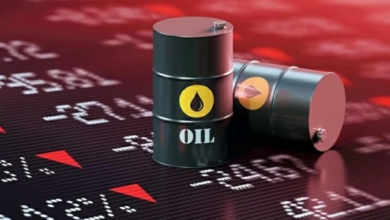
إن حدوث نقص بهذا الحجم لن يقتصر تأثيره على أسواق الطاقة، بل سيمتد ليحدث هزات عنيفة في الاقتصاد العالمي. وأشار التحليل إلى أن الفاقد في الإمدادات سيجبر الدول المستهلكة على السحب من مخزوناتها الاستراتيجية، حيث قدر السيناريو سحب 246 مليون برميل من مخزونات النفط العالمية خلال شهري مارس وأبريل فقط لمواجهة الصدمة الأولية. هذا السحب الهائل من المخزونات، بالتزامن مع ذروة الطلب في فصل الصيف، من شأنه أن يزيد من تقلبات الأسعار بشكل حاد ويدفعها إلى مستويات قياسية، مما يغذي التضخم العالمي ويهدد بدخول العديد من الاقتصادات في حالة ركود.
ويعيد هذا السيناريو إلى الأذهان أزمات طاقة سابقة، مثل أزمة النفط عام 1973 وحرب الناقلات خلال الثمانينيات، والتي أظهرت كيف يمكن للتوترات في الشرق الأوسط أن تعيد تشكيل المشهد الاقتصادي والسياسي العالمي. وفي الختام، يعمل تحليل وكالة الطاقة الدولية كجرس إنذار، مؤكدًا على الأهمية القصوى للاستقرار الدبلوماسي في المنطقة لضمان أمن إمدادات الطاقة العالمية.