
تايوان تؤكد سيادتها وترفض التبعية للصين
أكدت تايوان مجدداً وبشكل قاطع على موقفها الثابت بأنها دولة تتمتع بالسيادة والاستقلال، وذلك في رد سريع وحازم جاء بعد ساعات قليلة من تصريحات أدلى بها الرئيس الأمريكي دونالد ترامب، والتي حذر فيها تايبيه من اتخاذ أي خطوات رسمية نحو إعلان الاستقلال. وقد أصدرت وزارة الخارجية التايوانية بياناً رسمياً شددت فيه على أن “تايوان هي دولة ديمقراطية ذات سيادة ومستقلة تماماً، وليست بأي حال من الأحوال خاضعة لسيطرة جمهورية الصين الشعبية”.
وفي سياق متصل، تطرق البيان التايواني إلى مسألة مبيعات الأسلحة الأمريكية، موضحاً أن استمرار واشنطن في تزويد تايبيه بالأسلحة الدفاعية يندرج بشكل مباشر ضمن الالتزامات الأمنية التاريخية للولايات المتحدة تجاه الجزيرة. واعتبرت تايبيه أن هذا الدعم العسكري يمثل “شكلاً أساسياً من أشكال الردع المشترك ضد التهديدات الإقليمية المتصاعدة”، في إشارة واضحة إلى التحركات العسكرية الصينية في مضيق تايوان. وجاء هذا التوضيح بعد أن أشار ترامب إلى أنه لم يتخذ قراراً نهائياً بعد بشأن صفقات الأسلحة المستقبلية لتايوان.
تحذيرات ترامب والموقف الصيني الحازم
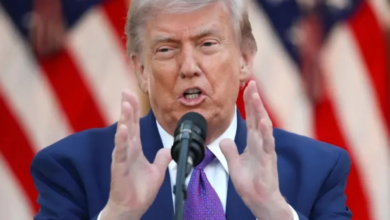
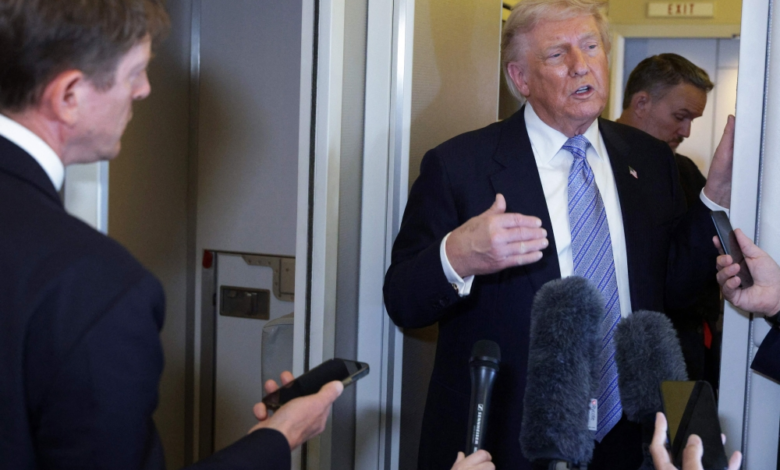
وكان الرئيس الأمريكي دونالد ترامب قد وجه تحذيراً صريحاً لتايوان من مغبة الإقدام على أي خطوة باتجاه إعلان الاستقلال الرسمي. جاءت هذه التصريحات خلال مقابلة تلفزيونية مع شبكة “فوكس نيوز”، والتي تم تسجيلها قبيل مغادرته العاصمة الصينية بكين. وتأتي هذه المقابلة في أعقاب زيارة رسمية استمرت يومين، التقى خلالها بالرئيس الصيني شي جين بينغ. وقد طغى على تلك المحادثات تحذير شديد اللهجة من الرئيس الصيني، الذي أكد أن أي إساءة في التعامل مع “قضية تايوان” الحساسة قد تدفع القوتين العظميين إلى أتون “صراع مفتوح”. وفي مقتطفات المقابلة، قال ترامب بوضوح: “لا أريد أن يعلن أحد الاستقلال”، مضيفاً: “لا نريد أن يقول أحد: دعونا نعلن الاستقلال لأن الولايات المتحدة تدعمنا وتقف خلفنا”.
السياق التاريخي للأزمة بين تايبيه وبكين
ولفهم أبعاد هذا التوتر، يجب النظر إلى السياق التاريخي المعقد. تعود جذور الأزمة إلى عام 1949، عندما انتهت الحرب الأهلية الصينية بانتصار الشيوعيين وتأسيس جمهورية الصين الشعبية، مما دفع الحكومة القومية للانسحاب إلى جزيرة تايوان. ومنذ ذلك الحين، تعتبر بكين تايوان مقاطعة متمردة يجب إعادتها إلى حضن الوطن الأم، بالقوة العسكرية إذا لزم الأمر. في المقابل، طورت تايوان نظاماً ديمقراطياً واقتصاداً مزدهراً، وتدير شؤونها كدولة مستقلة بحكم الأمر الواقع، ولديها دستورها الخاص وجيشها المستقل.
التأثير الإقليمي والدولي وأهمية تايوان الاقتصادية
على الصعيد الدولي والإقليمي، تكتسب هذه التطورات أهمية بالغة تتجاوز الحدود الجغرافية للجزيرة. تايوان ليست مجرد نقطة توتر جيوسياسي، بل هي عصب الاقتصاد العالمي الحديث، حيث تستحوذ على حصة الأسد في صناعة أشباه الموصلات والرقائق الإلكترونية المتقدمة على مستوى العالم. أي صراع عسكري أو حصار بحري في مضيق تايوان لن يقتصر تأثيره على المنطقة فحسب، بل سيؤدي إلى شلل في سلاسل التوريد العالمية، مما يهدد بانهيار أسواق التكنولوجيا والاقتصاد الدولي. لذلك، تتبنى الولايات المتحدة سياسة “الغموض الاستراتيجي”، حيث تعترف دبلوماسياً ببكين وفق مبدأ “صين واحدة”، لكنها تلتزم في الوقت ذاته بتسليح تايوان للدفاع عن نفسها بموجب “قانون العلاقات مع تايوان” لعام 1979، في محاولة دقيقة لمنع أي تغيير أحادي الجانب للوضع الراهن من قبل أي من الطرفين.