
مقترح مثير للجدل في واشنطن
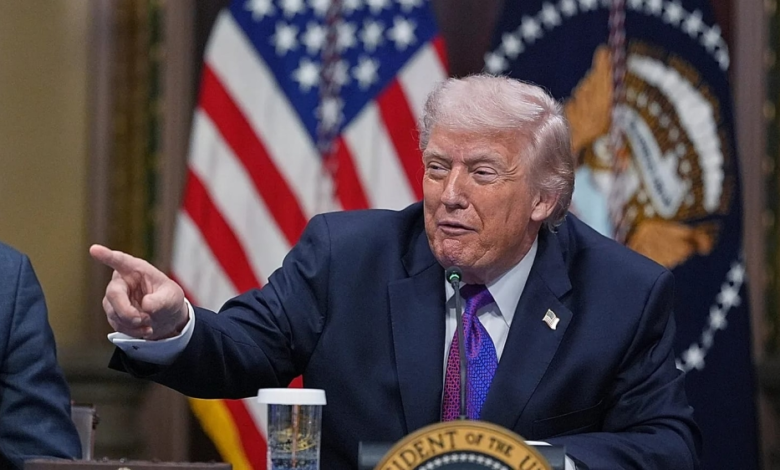
تداولت تقارير صحفية، نقلتها صحيفة “واشنطن بوست”، أنباءً عن سعي إدارة الرئيس الأمريكي السابق دونالد ترامب لإصدار ورقة نقدية جديدة من فئة 250 دولارًا تحمل صورته. وفي حال تحقق هذا المسعى، فإنه سيمثل سابقة تاريخية لم تحدث منذ أكثر من 150 عامًا، حيث يمنع القانون الأمريكي وضع صور لأشخاص على قيد الحياة على العملة الوطنية. وقد أثارت هذه الأنباء جدلاً واسعاً في الأوساط السياسية والشعبية، وفتحت الباب أمام نقاشات حول تقاليد صناعة العملة الأمريكية ورمزيتها.
خلفية تاريخية وقانونية صارمة
تستند عملية تصميم وطباعة الدولار الأمريكي إلى تقاليد وقوانين راسخة. أبرز هذه القوانين هو قانون اتحادي صدر عام 1866، والذي يحظر بشكل صريح استخدام صور أي شخص حي على العملات الأمريكية. جاء هذا التشريع كرد فعل على حادثة تاريخية عندما وضع رئيس مكتب النقش والطباعة آنذاك، سبنسر كلارك، صورته الخاصة على فئة الخمسة سنتات، مما أثار استياءً عامًا ودفع الكونغرس إلى حظر هذه الممارسة بشكل دائم. منذ ذلك الحين، اقتصرت صور الشخصيات على العملات على الرؤساء المتوفين والآباء المؤسسين الذين يمثلون رمزية وطنية جامعة، مثل جورج واشنطن على فئة الدولار الواحد، وأبراهام لينكولن على فئة الخمسة دولارات، وبنجامين فرانكلين على فئة المئة دولار.
أهمية الحدث وتأثيره المتوقع
إن مجرد طرح فكرة وضع صورة رئيس حالي أو سابق لا يزال على قيد الحياة على العملة يمثل تحديًا كبيرًا للأعراف السياسية الأمريكية. على الصعيد المحلي، يُنظر إلى مثل هذه الخطوة على أنها تسييس لرمز من رموز السيادة الوطنية المحايدة، وقد يتهم منتقدون الإدارة بالسعي إلى “عبادة الشخصية”، وهو أمر يتنافى مع المبادئ الديمقراطية التي تأسست عليها الولايات المتحدة. أما على الصعيد الدولي، فإن الدولار الأمريكي ليس مجرد عملة محلية، بل هو عملة الاحتياطي العالمي الأولى. استقراره وقبوله يعتمدان جزئيًا على الثقة في المؤسسات الأمريكية وتقاليدها الراسخة. أي تغيير جذري ومثير للجدل في تصميم العملة قد يثير تساؤلات لدى الشركاء التجاريين والمستثمرين الدوليين حول استقرار السياسات الأمريكية.
تفاصيل المقترح والعقبات التشريعية
بحسب التقارير، تم ربط المقترح بالاحتفالات بالذكرى السنوية الـ 250 لتأسيس الولايات المتحدة، والتي توافق عام 2026. ونقلت الصحيفة عن مصادر لم تسمها في وزارة الخزانة ومكتب النقش والطباعة وجود ضغوط سياسية لدفع المشروع قدمًا. ومع ذلك، فإن تنفيذ مثل هذه الخطة يتطلب أكثر من قرار إداري؛ إذ يستلزم تعديلاً تشريعياً من الكونغرس لإلغاء قانون عام 1866. وهذا يمثل عقبة شبه مستحيلة في ظل الانقسام السياسي العميق. ورغم تأكيد متحدث باسم وزارة الخزانة أن قسم الطباعة يجري التحضيرات اللازمة تحسبًا لأي تغييرات قانونية، إلا أنه شدد على الالتزام الكامل بالقانون الحالي، مما يجعل مستقبل هذا المقترح محفوفًا بالشكوك.