
تطور تاريخي في أزمة البرنامج النووي الإيراني
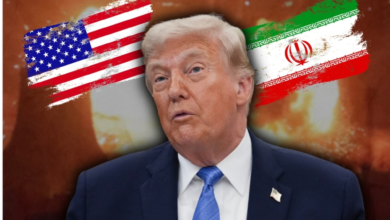
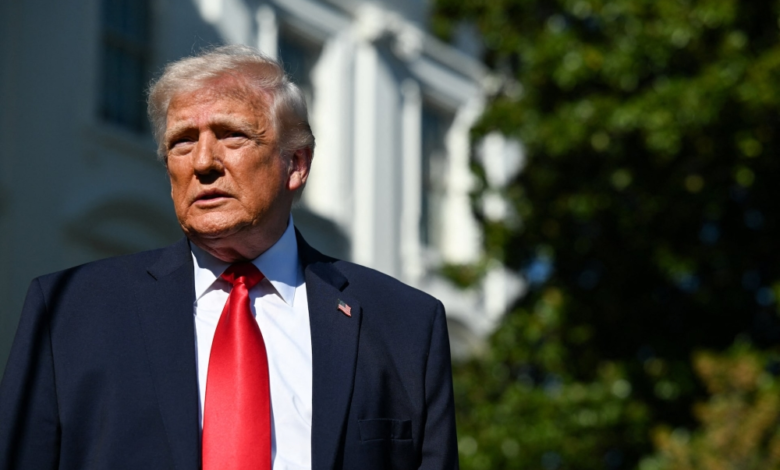
أعلن الرئيس الأمريكي دونالد ترامب في تصريحات مفصلية أن إيران وافقت رسمياً على تسليم مخزونها بالكامل من اليورانيوم المخصب، في خطوة تمثل تحولاً جذرياً في مسار العلاقات الأمريكية الإيرانية. وأكد ترامب أن الجانبين أصبحا قاب قوسين أو أدنى من إبرام اتفاق سلام شامل ينهي ستة أسابيع من التصعيد العسكري والحرب المباشرة. وفي حديثه للصحفيين من داخل البيت الأبيض، استخدم ترامب تعبيراً لافتاً قائلاً: “لقد وافقوا على إعادة الغبار النووي إلينا”، في إشارة واضحة إلى مخزون اليورانيوم عالي التخصيب الذي طالما حذرت واشنطن والمجتمع الدولي من إمكانية استخدامه في تطوير وتصنيع أسلحة نووية. وأضاف الرئيس الأمريكي بتفاؤل حذر: “هناك احتمال كبير جداً أن نتوصل إلى اتفاق نهائي قريباً”.
السياق التاريخي للتوترات النووية
تأتي هذه التطورات بعد سنوات طويلة من الشد والجذب بين طهران وواشنطن. فمنذ انسحاب الولايات المتحدة من الاتفاق النووي (خطة العمل الشاملة المشتركة) في عام 2018، سارعت إيران إلى زيادة مستويات تخصيب اليورانيوم، مما أثار قلقاً دولياً وإقليمياً واسعاً. وقد شكل هذا المخزون ورقة ضغط رئيسية في المفاوضات، حيث سعت القوى الغربية باستمرار إلى تحجيم قدرات طهران النووية لضمان أمن واستقرار منطقة الشرق الأوسط، التي تعد شرياناً حيوياً لإمدادات الطاقة العالمية وحركة التجارة الدولية.
التهديد باستهداف البنية التحتية الإيرانية
على الرغم من المؤشرات الإيجابية، لم تتخلَ الإدارة الأمريكية عن لغة الحزم والتهديد العسكري لضمان التزام طهران. فقد وجه وزير الدفاع الأمريكي، بيت هيجسيث، تحذيراً شديد اللهجة لإيران، مؤكداً أن أي تراجع أو رفض لإبرام الاتفاق مع الولايات المتحدة سيقابل بضربات عسكرية قاسية. وأوضح هيجسيث في مؤتمر صحفي عُقد في مقر وزارة الدفاع (البنتاجون) أن الخيارات العسكرية لا تزال مطروحة بقوة، قائلاً: “إذا اختارت إيران مساراً سيئاً، فستتعرض لحصار خانق، وستتساقط القنابل على بنيتها التحتية ومنشآت الطاقة الحيوية”. يعكس هذا التصريح استراتيجية “الضغوط القصوى” التي تهدف إلى شل قدرة الاقتصاد الإيراني المعتمد بشكل كبير على صادرات النفط.
حصار بحري شامل وتهديد باستخدام القوة
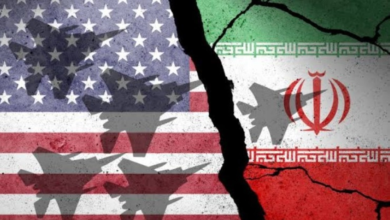
في سياق متصل، أكد وزير الدفاع الأمريكي أن الحصار البحري الذي فرضته واشنطن على الموانئ الإيرانية منذ يوم الاثنين سيستمر طالما اقتضت الضرورة ذلك. ودعم هذا التوجه رئيس هيئة الأركان الأمريكية المشتركة، الجنرال دان كاين، الذي شدد في المؤتمر الصحفي ذاته على أن الحصار يشمل جميع السفن التجارية والعسكرية المتجهة من وإلى الموانئ الإيرانية، بغض النظر عن جنسيتها أو وجهتها. وحذر كاين بصرامة من أن القوات الأمريكية ستستخدم القوة العسكرية المباشرة ضد أي جهة تحاول كسر هذا الحصار أو عدم الامتثال للتعليمات الصارمة.
دور الوساطة الباكستانية في التهدئة الإقليمية
وسط هذه الأجواء المشحونة، تبرز الجهود الدبلوماسية الإقليمية لتجنب الانزلاق نحو حرب إقليمية شاملة. فقد واصل قائد الجيش الباكستاني، الجنرال عاصم منير، زيارته الهامة إلى العاصمة الإيرانية طهران، حيث عقد سلسلة من اللقاءات رفيعة المستوى، أبرزها اجتماعه مع رئيس مجلس الشورى الإيراني، محمد باقر قالیباف. وتأتي هذه الزيارة في إطار وساطة حثيثة تقودها إسلام آباد لتقريب وجهات النظر بين طهران وواشنطن، مستفيدة من علاقاتها الاستراتيجية مع كلا الطرفين. وتلعب باكستان دوراً حيوياً في الحفاظ على التوازن الإقليمي، حيث تسعى جاهدة لمنع أي تصعيد قد يمتد تأثيره ليشمل دول الجوار ويؤثر على الأمن القومي في جنوب آسيا والشرق الأوسط.