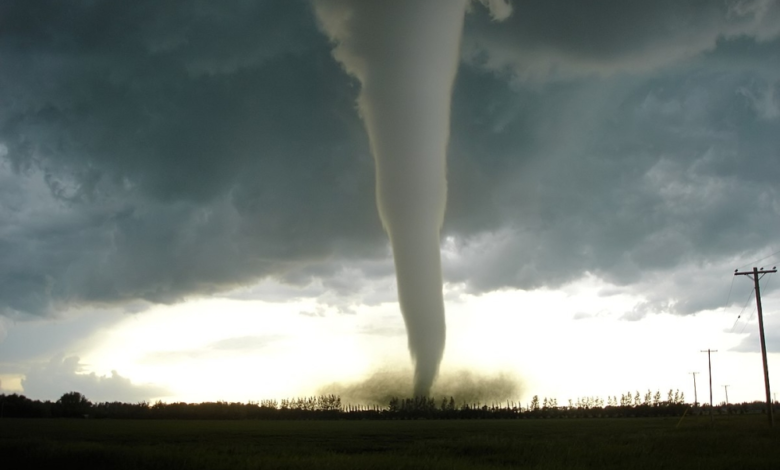

ضرب إعصار جانجمي، وهو العاصفة السادسة التي تضرب البلاد هذا الموسم، مناطق جنوب اليابان بقوة، مما أدى إلى حالة من التأهب القصوى في محافظتي أوكيناوا وكاجوشيما. وقد تسبب الإعصار في إصابة تسعة أشخاص على الأقل بجروح طفيفة، وأحدث اضطراباً واسعاً في حركة النقل والبنية التحتية، حيث تم إلغاء أكثر من 300 رحلة جوية، وانقطاع التيار الكهربائي عن آلاف المنازل، مع استمرار تحرك العاصفة شمالاً نحو جزيرة كيوشو الرئيسية.
تأثير إعصار جانجمي على الحياة اليومية والبنية التحتية
كانت الآثار المباشرة للإعصار ملموسة بشكل كبير، حيث أعلنت شركات الطيران اليابانية عن إلغاء ما يزيد عن 300 رحلة جوية، معظمها كانت متجهة من وإلى جزيرة كيوشو ومحافظة أوكيناوا، مما أثر على آلاف المسافرين. كما أدى الإعصار إلى انقطاع واسع للتيار الكهربائي، حيث أفادت السلطات بأن حوالي 48 ألف أسرة في محافظتي كاجوشيما وأوكيناوا قد تأثرت بانقطاع الخدمة حتى ساعات الصباح الأولى، مما زاد من صعوبة الأوضاع للسكان المحليين. وتعمل فرق الطوارئ على مدار الساعة لإصلاح الأضرار وإعادة الخدمات في أسرع وقت ممكن.
اليابان في مواجهة موسم الأعاصير: استعدادات وتحديات
تقع اليابان في منطقة جغرافية نشطة بالأعاصير، حيث تتعرض سنوياً لسلسلة من العواصف المدارية القوية، خاصة خلال الفترة الممتدة من الصيف إلى الخريف. وقد طورت البلاد على مر العقود نظاماً متقدماً للإنذار المبكر والاستجابة للكوارث الطبيعية، يشمل بنية تحتية مصممة لمقاومة الرياح القوية، وتدريبات إجلاء دورية للسكان. ومع ذلك، يظل كل إعصار جديد تحدياً للسلطات والمواطنين، حيث تحمل العواصف معها مخاطر متعددة مثل الفيضانات المفاجئة والانهيارات الأرضية التي تهدد المناطق الجبلية والساحلية. وتعتبر جزر أوكيناوا وكيوشو، بحكم موقعها الجنوبي، خط الدفاع الأول في مواجهة هذه العواصف القادمة من المحيط الهادئ، مما يجعلها في حالة تأهب دائم خلال هذا الموسم.
تحذيرات الأرصاد الجوية ومسار العاصفة المتوقع
أصدرت هيئة الأرصاد الجوية اليابانية تحذيرات مشددة للسكان في غرب اليابان، داعية إياهم إلى توخي أقصى درجات الحذر حتى يوم الأربعاء. وأوضحت الهيئة أن إعصار جانجمي كان يتحرك بسرعة تقارب 35 كيلومتراً في الساعة، مصحوباً برياح عاتية تصل سرعتها إلى 126 كيلومتراً في الساعة. وحذرت الأرصاد من هطول أمطار غزيرة قد تؤدي إلى فيضانات في المناطق المنخفضة، وفيضان الأنهار، بالإضافة إلى زيادة خطر حدوث انهيارات أرضية، خاصة في المناطق التي شهدت أمطاراً قياسية في الأسابيع الماضية. وتواصل السلطات مراقبة مسار الإعصار عن كثب لتقديم التحديثات اللازمة وضمان سلامة المواطنين.