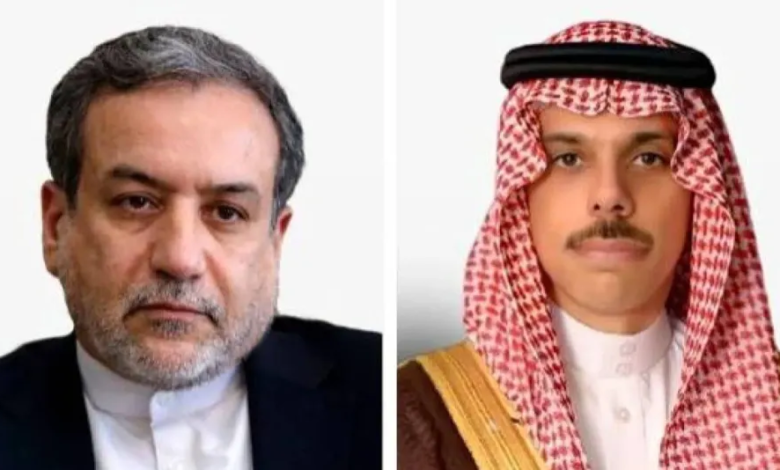

Saudi Arabia is intensifying its diplomatic efforts on the regional stage, with its leadership conducting a series of important consultations with its counterparts in the region. These efforts come at a critical juncture, with the primary objective of containing escalating tensions and exploring immediate avenues for de-escalation, given the rapid developments in the Middle East that threaten to widen the scope of the conflict.
General context and historical background
These intensive contacts come against the backdrop of the complex situation in the region, particularly the repercussions of the war in Gaza, which has cast a shadow over regional stability. Regional and international powers, including the Kingdom, fear that any miscalculation could lead to a wider confrontation involving multiple parties, threatening international navigation and global energy supplies, and plunging the region back into instability. This proactive diplomacy reflects a strategic shift in Saudi foreign policy in recent years. After a period of more assertive policies, the Kingdom is now adopting an approach focused on diplomacy, dialogue, and the peaceful resolution of conflicts. This approach aligns with the requirements of Saudi Vision 2030, which necessitates a secure and stable regional environment to attract investment and achieve its ambitious development goals. The historic rapprochement with Iran, brokered by China, and the hosting of the Yemeni peace talks are prominent examples of this new direction.
The importance of the event and its expected impact
These efforts are of paramount importance regionally, as the Kingdom is viewed as a cornerstone of stability in the Arab and Islamic world. The success of these de-escalation efforts would prevent the region from descending into a devastating war and pave the way for political solutions to other crises, such as those in Yemen and Syria. These initiatives also enhance Riyadh's standing as a trusted peacemaker and mediator, capable of bringing conflicting parties to the negotiating table. Internationally, Saudi initiatives are closely watched by major powers. Stability in the Middle East is vital to the global economy, given its importance as a major energy source and a strategic corridor for global trade. Therefore, any efforts that contribute to de-escalation are welcomed internationally, underscoring the Kingdom's role as an indispensable partner in maintaining international peace and security, and aligning with the efforts of the United States, Europe, and China to prevent further deterioration of the situation in this vital region of the world.
Ultimately, Saudi Arabia’s regional outreach represents more than just a reaction to a current crisis; it embodies a mature foreign policy and a long-term vision that prioritizes stability and development. While significant challenges remain, these diplomatic efforts send a clear message that dialogue is the best way to overcome crises and build a more secure and prosperous future for the people of the region.