
تطورات جديدة في العلاقات التجارية الأمريكية الصينية
أعلن الممثل التجاري للولايات المتحدة، جيميسون غرير، عن تطورات جديدة ومهمة في مسار العلاقات التجارية الأمريكية الصينية، مشيراً إلى أن بكين بدأت بالفعل في اتخاذ خطوات عملية لتسهيل تدفق الواردات من واشنطن. يأتي هذا الإعلان في وقت حساس تتشابك فيه المصالح الاقتصادية مع التوترات السياسية، حيث أكد غرير أنه سيتم عرض مجموعة من الخيارات الاستراتيجية على الرئيس دونالد ترمب لاتخاذ قرارات حاسمة بشأن بكين، وذلك في حال خلصت التحقيقات الأمريكية الجارية إلى أن فائض الطاقة الإنتاجية الصناعية في الصين يؤثر سلباً على الصادرات والأسواق العالمية.
مشكلة فائض الطاقة الإنتاجية وتأثيرها العالمي
وفي مقابلة حصرية مع شبكة (سي بي إس) الأمريكية، أوضح غرير أبعاد هذه القضية قائلاً: «بالتأكيد سنعرض على الرئيس تلك الخيارات إذا أظهرت التحقيقات ما نتوقع أن تظهره، وهو وجود مشكلة كبيرة ومعقدة تتمثل في فائض الطاقة الإنتاجية في الصين ودول أخرى». وأضاف غرير بحذر: «لا يمكنني استباق نتائج تلك التحقيقات»، مشيراً إلى أن هذه النتائج قد تمنح الرئيس ترمب صلاحيات واسعة لاتخاذ إجراءات صارمة، مثل فرض رسوم جمركية جديدة، أو تطبيق رسوم إضافية على الخدمات، أو حتى تحديد حصص استيرادية صارمة لحماية الاقتصاد الأمريكي.
السياق التاريخي للحرب التجارية بين واشنطن وبكين
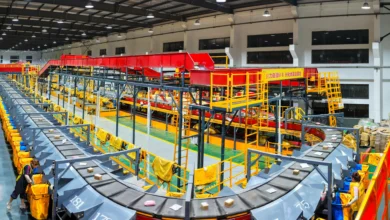
لفهم أهمية هذا الحدث، يجب العودة إلى السياق التاريخي للعلاقات الاقتصادية بين البلدين. منذ سنوات، شكلت التجارة مع الصين ساحة معركة رئيسية، حيث تسعى الإدارة الأمريكية إلى تقليص العجز التجاري الهائل وحماية الملكية الفكرية للشركات الأمريكية. وتعتبر قضية “فائض الطاقة الإنتاجية” – خاصة في قطاعات حيوية مثل الصلب، والألواح الشمسية، والسيارات الكهربائية – نقطة خلاف جوهرية. تتهم واشنطن بكين بدعم صناعاتها المحلية بشكل مفرط، مما يؤدي إلى إغراق الأسواق العالمية بمنتجات رخيصة تضر بالمنافسة العادلة وتهدد الصناعات المحلية في الولايات المتحدة وأوروبا.
القمة الرئاسية ومحور التجارة الدولية
وقد كان ملف التجارة الدولية والاقتصاد محوراً رئيسياً خلال القمة الثنائية التي استضاف خلالها الرئيس الصيني شي جين بينغ نظيره الأمريكي دونالد ترمب الأسبوع الماضي. ورغم الأهمية البالغة لهذا اللقاء الدبلوماسي، إلا أن الجانبين لم يقدما سوى تفاصيل محدودة جداً حول الاتفاقيات التي تم التوصل إليها. وفي تصريحات لاحقة، أشار ترمب إلى أن مسألة الرسوم الجمركية لم تكن محل نقاش مباشر خلال تلك القمة، مما يترك الباب مفتوحاً أمام تكهنات عديدة حول الخطوات المستقبلية لكلا البلدين.
استراتيجية ترمب التجارية الجديدة
على الصعيد الداخلي والقانوني، أعاد ترمب ضبط استراتيجيته التجارية بشكل ملحوظ منذ أن ألغت المحكمة العليا الأمريكية رسومه الجمركية العالمية في فبراير الماضي. هذا التحول القانوني دفع الإدارة الأمريكية إلى تبني نهج أكثر تقليدية وصرامة، يتمثل في إجراء مزيد من التحقيقات الدقيقة والمكثفة بشأن الممارسات التجارية لدول أخرى. هذا النهج المؤسسي يهدف إلى بناء أسس قانونية واقتصادية صلبة يمكن أن تفضي إلى إجراءات عقابية مشروعة تشمل فرض رسوم جمركية مستهدفة.
التداعيات الإقليمية والدولية المتوقعة
إن تأثير هذه التحركات يتجاوز الحدود المحلية للولايات المتحدة والصين، ليلقي بظلاله على الاقتصاد العالمي بأسره. إقليمياً، تراقب الدول الآسيوية الحليفة لواشنطن هذه التطورات بحذر، حيث تعتمد اقتصاداتها بشكل كبير على استقرار سلاسل التوريد العالمية. ودولياً، قد تؤدي أي حرب رسوم جمركية جديدة إلى تغيير مسارات التجارة العالمية، مما يجبر الشركات المتعددة الجنسيات على إعادة تقييم استراتيجياتها الاستثمارية لتجنب الخسائر المحتملة الناتجة عن تصاعد الحمائية التجارية.