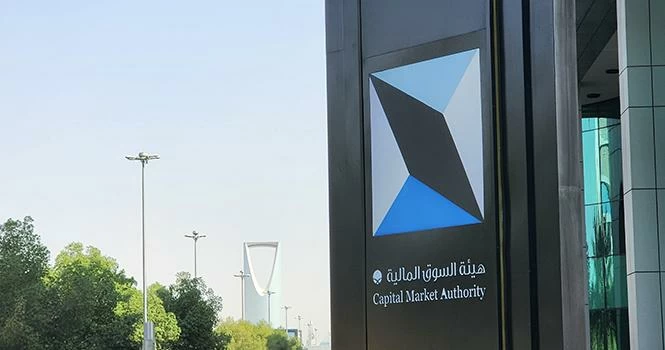

مقدمة عن التقرير ونمو أعداد المستثمرين
كشف التقرير الأحدث الصادر عن هيئة السوق المالية عن تطورات إيجابية ملحوظة في بنية السوق المالية السعودية، حيث سجل عدد المستثمرين الأفراد في الشركات المدرجة بسوق الأسهم السعودية (تداول) نمواً كبيراً ليصل إلى نحو 7.28 مليون مستثمر بنهاية الربع الأول من عام 2026. ويمثل هذا الرقم ارتفاعاً قدره 520 ألف مستثمر على أساس سنوي، مما يعكس تزايد الوعي الاستثماري والثقة المتنامية في الاقتصاد السعودي.
وبحسب التفاصيل الدقيقة الواردة في التقرير، فقد استحوذ الذكور على النسبة الأكبر بواقع 5.45 مليون مستثمر، في حين بلغ عدد المستثمرات من الإناث حوالي 1.84 مليون مستثمرة. ومن اللافت للنظر أن إجمالي عدد المحافظ الاستثمارية للأفراد قفز ليصل إلى 14.86 مليون محفظة بنهاية نفس الفترة. وهذا الرقم، الذي يتجاوز ضعف عدد المستثمرين الفعليين، يشير بوضوح إلى استراتيجية التنويع التي يتبعها الأفراد من خلال امتلاك أكثر من محفظة استثمارية واحدة لتوزيع المخاطر واقتناص الفرص المتنوعة.
السياق التاريخي: رؤية 2030 وتطوير القطاع المالي
تأتي هذه الأرقام القياسية كنتيجة مباشرة للجهود المستمرة التي تبذلها المملكة العربية السعودية ضمن “برنامج تطوير القطاع المالي”، والذي يُعد أحد أبرز البرامج التنفيذية لرؤية السعودية 2030. منذ إطلاق الرؤية، عملت هيئة السوق المالية وشركة “تداول” على تحديث البنية التحتية للسوق، وتسهيل إجراءات فتح المحافظ الاستثمارية رقمياً، وتعزيز مستويات الشفافية والحوكمة. تاريخياً، كانت السوق تعتمد بشكل كبير على الاستثمار المؤسسي والحكومي، ولكن التسهيلات التنظيمية الأخيرة والاكتتابات العامة الضخمة ساهمت في جذب شريحة واسعة من المواطنين والمقيمين للمشاركة الفعالة في مسيرة النمو الاقتصادي.
تصنيف المستثمرين: كبار المستثمرين والمتخصصين
لضمان دقة البيانات وتوجيه السياسات الاقتصادية بشكل صحيح، تضع هيئة السوق المالية تعريفات محددة لفئات المستثمرين. يُعرف “كبار المستثمرين الأفراد” بأنهم الأفراد السعوديون الذين يمتلكون محافظ استثمارية يبلغ متوسط حجمها مليون ريال فما فوق خلال الاثني عشر شهراً الأخيرة، مع استثناء المستثمرين المتخصصين من هذه الفئة.
أما “المستثمرون الأفراد المتخصصون”، فهم الأفراد السعوديون الذين يبلغ متوسط حجم محافظهم 50 مليون ريال فأكثر خلال نفس الفترة، شريطة ألا يتجاوز معدل تدوير المحفظة الاستثمارية 4 مرات سنوياً، مما يعكس تبني هؤلاء المستثمرين لاستراتيجية استثمارية مؤسسية وطويلة الأجل.
خريطة الملكية: الهيمنة الحكومية والنمو الأجنبي
على صعيد القيمة السوقية وتوزيع الملكيات، أظهر التقرير أن الجهات الحكومية لا تزال تشكل حجر الزاوية في استقرار السوق، حيث بلغت نسبة ملكيتها نحو 65% من القيمة الإجمالية للسوق، بقيمة تقدر بحوالي 6,418.2 مليار ريال بنهاية الربع الأول من 2026، مسجلة ارتفاعاً بنسبة 1% مقارنة بالفترة ذاتها من العام 2025.
في المقابل، بلغت ملكية الشركات السعودية نحو 1.655 مليار ريال (بانخفاض نسبته 6%)، بينما سجلت الصناديق الاستثمارية ملكية بقيمة 293.2 مليار ريال بنهاية الربع الأول من 2026.
الأهمية الاقتصادية والتأثير المتوقع
من أهم المؤشرات الإيجابية التي تضمنها التقرير هو ارتفاع قيمة ملكية المستثمرين الأجانب المؤهلين إلى 382.9 مليار ريال، بزيادة قدرها 10%، وذلك وفقاً للقواعد المنظمة لاستثمار المؤسسات المالية الأجنبية المؤهلة. دولياً، يعكس هذا النمو التأثير الإيجابي للإصلاحات، حيث أثمرت الانضمامات المتتالية لمؤشرات الأسواق الناشئة العالمية (مثل MSCI و FTSE Russell) عن تدفقات نقدية أجنبية مستدامة.
إقليمياً، تعزز هذه الأرقام مكانة السوق المالية السعودية كأكبر سوق في منطقة الشرق الأوسط وشمال أفريقيا من حيث القيمة السوقية والسيولة. أما محلياً، فإن اتساع قاعدة المستثمرين الأفراد يساهم في إعادة تدوير المدخرات الوطنية وتوجيهها نحو قنوات استثمارية منتجة، مما يدعم خطط الشركات في التوسع والابتكار، ويحقق مستهدفات التنمية المستدامة للاقتصاد الوطني.