
قفزة تاريخية في علاوات الخام الأمريكي
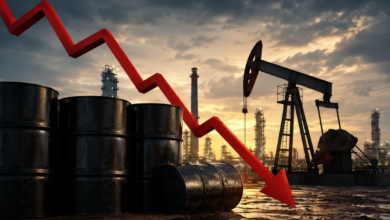
سجلت علاوات الخام الأمريكي قفزة تاريخية غير مسبوقة لتصل إلى مستويات قياسية جديدة في الأسواق العالمية. يأتي هذا الارتفاع الحاد في ظل تصاعد وتيرة المنافسة الشرسة بين مصافي التكرير في كل من قارتي آسيا وأوروبا لتأمين الإمدادات النفطية. ويعود السبب الرئيسي وراء هذا التحول المفاجئ إلى تعطل تدفقات النفط القادمة من منطقة الشرق الأوسط، وذلك على خلفية التوترات الجيوسياسية المتصاعدة والنزاع الذي ألقى بظلاله على استقرار أسواق الطاقة العالمية.
الأهمية الاستراتيجية لمضيق هرمز وتأثيره العالمي
ولفهم أبعاد هذه الأزمة، يجب النظر إلى الأهمية الاستراتيجية لمضيق هرمز، الذي يُعد الشريان الحيوي الأهم لتجارة النفط العالمية. تاريخياً، يمر عبر هذا المضيق ما يقارب خُمس الاستهلاك العالمي من النفط الخام. وأي تهديد أو تعطل للملاحة في هذا الممر المائي الاستراتيجي يؤدي فوراً إلى حالة من الذعر في الأسواق. وقد دفعت التوترات الحالية المشترين الآسيويين والأوروبيين إلى البحث بشكل عاجل عن بدائل آمنة من أسواق تمتد من الأمريكتين إلى إفريقيا وأوروبا، بهدف تعويض النقص الحاد في الإمدادات التي تعذر نقلها عبر المضيق، مما أسفر عن ارتفاع جنوني في تكاليف الشحن وتضييق الخناق على المعروض المتاح.
الولايات المتحدة كبديل استراتيجي للطاقة
على الصعيد الدولي، تبرز أهمية الولايات المتحدة كلاعب رئيسي ومصدر موثوق للطاقة في أوقات الأزمات. منذ رفع الحظر عن صادرات النفط الأمريكية في عام 2015، أصبحت الولايات المتحدة صمام أمان للأسواق العالمية بفضل طفرة النفط الصخري. واليوم، يتجلى هذا الدور بوضوح مع اتجاه كبرى الاقتصادات الصناعية نحو الخام الأمريكي لضمان استمرار عجلة الإنتاج وتجنب أزمات نقص الوقود التي قد تضرب اقتصاداتها المحلية وتؤدي إلى موجات تضخمية جديدة.
أرقام قياسية للعلاوات الفورية في آسيا وأوروبا
وفيما يتعلق بالأرقام والعلاوات الفورية، أكد خبراء وتجار في أسواق الطاقة أن العلاوات الفورية لخام “نايمكس” على الشحنات المقرر تسليمها خلال شهر يوليو في الأسواق الآسيوية قد شهدت ارتفاعاً صاروخياً. فقد قفزت هذه العلاوات لتصل إلى 30 دولاراً أمريكياً فوق سعر خام دبي القياسي، بل واقتربت بشكل ملحوظ من حاجز الـ 40 دولاراً فوق سعر خام برنت العالمي.
وتكتسب هذه الأرقام أهمية مضاعفة عند مقارنتها بالفترات السابقة. فقد أوضح المتعاملون في السوق أن هذه المستويات القياسية تتجاوز بكثير العلاوات التي تم تسجيلها في أواخر شهر مارس وأوائل شهر أبريل الماضيين، والتي كانت تقارب 20 دولاراً للبرميل في الصفقات التي أبرمتها مصافي التكرير اليابانية لشراء الخام الأمريكي. هذا الفارق الشاسع يعكس حجم القلق الذي يسيطر على المشترين ورغبتهم في تأمين الإمدادات بأي تكلفة.
ولم تقتصر هذه التداعيات على القارة الآسيوية فحسب، بل امتدت لتشمل القارة العجوز. فقد سجلت العلاوات السعرية في أوروبا مستويات قياسية جديدة، حيث قاربت 15 دولاراً للبرميل فوق سعر خام برنت. ويأتي هذا الارتفاع الأوروبي مدفوعاً بتزايد الطلب على الخام الأمريكي كبديل استراتيجي وموثوق، خاصة في ظل مساعي الدول الأوروبية المستمرة لتنويع مصادر طاقتها وتقليل الاعتماد على مناطق النزاع المشتعلة.