
مقدمة عن تطورات سعر الدولار في مصر
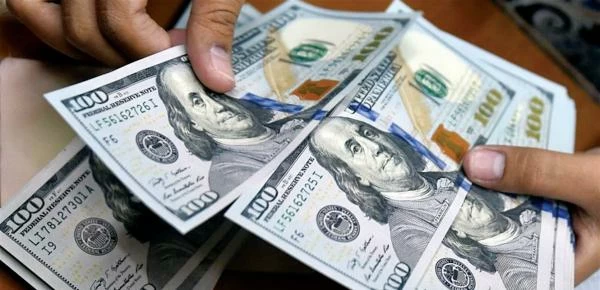
شهدت الأسواق المالية والقطاع المصرفي تطوراً ملحوظاً في مستهل تعاملات الأسبوع، حيث ارتفع سعر الدولار في مصر بنسبة بلغت 1%، لتعود العملة الأمريكية للتداول أعلى مستوى 53 جنيهاً في معظم البنوك المصرية. يأتي هذا الارتفاع بعد أن شهد الدولار تقلبات طفيفة دون مستوى 53 جنيهاً خلال تعاملات الأسبوع الماضي، متأثراً بتباين وتيرة تدفقات الاستثمارات الأجنبية غير المباشرة، والمعروفة باسم “الأموال الساخنة”، في أدوات الدين المصرية. هذا التراجع الجديد للجنيه أمام الدولار يعكس ديناميكيات العرض والطلب في ظل سياسة سعر الصرف المرن.
أسعار صرف الدولار في البنوك المصرية
وفقاً لأحدث الإحصاءات والتقارير المصرفية، تباينت أسعار الصرف بين البنوك العاملة في السوق المصري، وجاءت التفاصيل على النحو التالي:
- أعلى سعر للصرف: سجلت بنوك أبوظبي الإسلامي، وقناة السويس، و”سايب”، وبيت التمويل الكويتي أعلى سعر للدولار عند مستوى 53.35 جنيه للشراء مقابل 53.45 جنيه للبيع.
- أقل سعر للصرف: قدم بنك الإمارات دبي الوطني أقل سعر لصرف العملة الأمريكية عند 52.75 جنيه للشراء و52.85 جنيه للبيع.
- البنوك الحكومية والخاصة الكبرى: في البنك الأهلي المصري والبنك العربي الأفريقي، بلغ السعر 53.26 جنيه للشراء و53.36 جنيه للبيع. بينما سجل في بنوك مصر، نكست، الكويت الوطني، فيصل الإسلامي، ميد بنك، المصرف المتحد، HSBC، والتنمية الصناعية نحو 53.25 جنيه للشراء و53.35 جنيه للبيع.
- البنك المركزي المصري: استقر متوسط سعر الصرف الرسمي لدى البنك المركزي عند 52.83 جنيه للشراء مقابل 52.97 جنيه للبيع.
السياق الاقتصادي والتاريخي لمرونة سعر الصرف
تأتي هذه التحركات في إطار التزام البنك المركزي المصري بسياسة مرونة سعر الصرف، وهي خطوة استراتيجية تم تبنيها للقضاء على السوق الموازية وضمان تسعير العملة وفقاً لآليات السوق الحقيقية. والجدير بالذكر أن الجنيه المصري كان قد اختتم عام 2025 بأداء قوي، حيث ارتفع بنسبة 6.7% أمام الدولار منذ بداية العام الماضي. وقد جاء هذا التعافي مدعوماً بقفزة قياسية في تحويلات المصريين العاملين بالخارج، والتي تعد أحد أهم مصادر النقد الأجنبي للبلاد، إلى جانب استعادة السيولة الدولارية في القطاع المصرفي وتدفقات الاستثمار الأجنبي المباشر.
تأثير التوترات الجيوسياسية الإقليمية
على الصعيد الإقليمي والدولي، تلعب التوترات الجيوسياسية دوراً حاسماً في حركة رؤوس الأموال. وقد كشف تقرير اقتصادي حديث أن مرونة سعر الصرف في مصر كانت بمثابة حائط صد ساعد الاقتصاد المحلي على احتواء تداعيات الخروج الجزئي لرؤوس الأموال الأجنبية. هذا الخروج جاء كرد فعل طبيعي للمستثمرين للبحث عن ملاذات آمنة وسط التوترات الجيوسياسية المتصاعدة المرتبطة بالصراعات في منطقة الشرق الأوسط، بما في ذلك التوترات المتعلقة بإيران. النظام المرن سمح بامتصاص هذه الصدمات دون استنزاف حاد للاحتياطيات الدولية.
توقعات وكالة فيتش والاحتياطي النقدي
في سياق متصل بالتوقعات المستقبلية، أصدرت وكالة “فيتش” للتصنيف الائتماني تقريراً رجحت فيه أن يشهد احتياطي النقد الأجنبي في مصر تراجعاً طفيفاً ليصل إلى نحو 50 مليار دولار بنهاية العام المالي 2026-2027. ورغم هذا التراجع المتوقع، إلا أن هذا المستوى من الاحتياطيات يظل آمناً، حيث يعادل تغطية نحو 4 أشهر من المدفوعات الخارجية والواردات السلعية، وهو ما يتوافق مع المعايير الدولية للأمان الاقتصادي ويضمن قدرة الدولة على الوفاء بالتزاماتها الخارجية وتأمين السلع الاستراتيجية.