
تطورات المفاوضات الأمريكية الإيرانية: الكرة في ملعب طهران
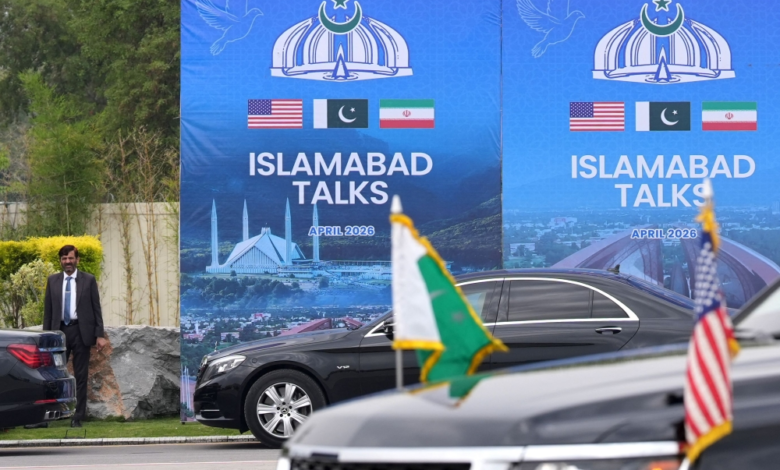
تتجه أنظار المجتمع الدولي نحو التطورات المتسارعة في مسار العلاقات الأمريكية الإيرانية، حيث صرح نائب الرئيس الأمريكي، جاي دي فانس، بأن “الكرة الآن أصبحت في ملعب إيران” للتوصل إلى اتفاق سلام شامل. تأتي هذه التصريحات بعدما حددت واشنطن خطوطها الحمراء بوضوح، وفي ظل مؤشرات قوية على استمرار الاتصالات الدبلوماسية بين الطرفين رغم التعثر الذي شهدته جولات المفاوضات الأخيرة في العاصمة الباكستانية إسلام آباد.
السياق التاريخي وأهمية الاتفاق الجديد
تاريخياً، شهدت العلاقات بين واشنطن وطهران محطات من التوتر والتصعيد، لا سيما منذ انسحاب الولايات المتحدة من الاتفاق النووي (خطة العمل الشاملة المشتركة) في عام 2018 خلال الولاية الأولى للرئيس دونالد ترامب، وتطبيق سياسة “الضغوط القصوى”. واليوم، تعود مساعي التفاوض إلى الواجهة مع محاولة الإدارة الأمريكية إرساء قواعد صارمة تضمن عدم امتلاك طهران لسلاح نووي، وهو ما يعكس استراتيجية أمريكية تهدف إلى تحقيق استقرار طويل الأمد في منطقة الشرق الأوسط وتجنب سباق تسلح إقليمي.
الشروط الأمريكية: تعليق التخصيب وإخراج اليورانيوم
وفي سياق الشروط الأمريكية، أوضح جاي دي فانس في مقابلة مع شبكة “فوكس نيوز” أن واشنطن تصر على إخراج اليورانيوم المخصب من الأراضي الإيرانية ليصبح تحت سيطرتها وإشرافها، مشدداً على ضرورة منع طهران من تخصيب اليورانيوم في المستقبل. من جهتها، كشفت صحيفة “وول ستريت جورنال” أن الولايات المتحدة تسعى لتضمين أي اتفاق لإنهاء حالة العداء تعليقاً كاملاً لبرنامج تخصيب اليورانيوم الإيراني لمدة 20 عاماً. في المقابل، أشارت تقارير نشرتها صحيفة “نيويورك تايمز” إلى أن المقاربة الإيرانية الحالية تتضمن اقتراحاً بتعليق الأنشطة النووية لمدة خمس سنوات فقط، مما يبرز فجوة التفاوض الحالية بين الطرفين.
التداعيات الاقتصادية: أسعار النفط ومضيق هرمز
على الصعيد الاقتصادي والدولي، تركت هذه التطورات الدبلوماسية أثراً إيجابياً فورياً على الأسواق العالمية. فقد سجلت الأسواق المالية ارتفاعاً ملحوظاً، بينما شهدت أسعار النفط الخام انخفاضاً ملموساً. يعود هذا التفاؤل الاقتصادي إلى الآمال المعقودة على التوصل إلى اتفاق ينهي حالة التوتر والحرب في الشرق الأوسط، ويضمن إعادة الفتح الآمن والمستقر لمضيق هرمز الاستراتيجي، الذي يمر عبره نحو خُمس استهلاك العالم من النفط، مما يجعله شرياناً حيوياً للاقتصاد العالمي.
المواقف الدولية والإقليمية
وقد عزز الرئيس الأمريكي دونالد ترامب هذه الآمال بتصريحات أدلى بها للصحفيين في البيت الأبيض، حيث أكد أن الإيرانيين أبدوا رغبة حقيقية في التوصل إلى اتفاق، قائلاً: “أستطيع أن أقول لكم إن الطرف الآخر اتصل بنا، إنهم يريدون التوصل إلى اتفاق بأي ثمن”. إقليمياً، تلعب باكستان دوراً محورياً في استضافة وتسهيل هذه المحادثات المعقدة. وفي هذا الصدد، أكد رئيس الوزراء الباكستاني شهباز شريف أن “وقف إطلاق النار لا يزال صامداً، وفي هذه اللحظة، تُبذل جهود مكثفة لحل القضايا العالقة”، مما يشير إلى حراك دبلوماسي مكثف خلف الكواليس.
في المقابل، تحافظ القيادة الإيرانية على موقفها الدبلوماسي الحذر. فقد شدد الرئيس الإيراني مسعود بزشكيان، خلال محادثة هاتفية مع نظيره الفرنسي إيمانويل ماكرون، على أن طهران “لن تواصل المحادثات إلا في إطار القانون الدولي”، وفقاً لما نقلته وسائل الإعلام الإيرانية. في الختام، يمثل هذا الحراك الدبلوماسي مفترق طرق حاسم لمنطقة الشرق الأوسط، حيث أن نجاح المفاوضات قد يؤدي إلى استقرار طال انتظاره، بينما قد يؤدي الفشل إلى تداعيات خطيرة على أسواق الطاقة والأمن العالمي.