
رصد بقعة نفطية ضخمة عبر الأقمار الصناعية
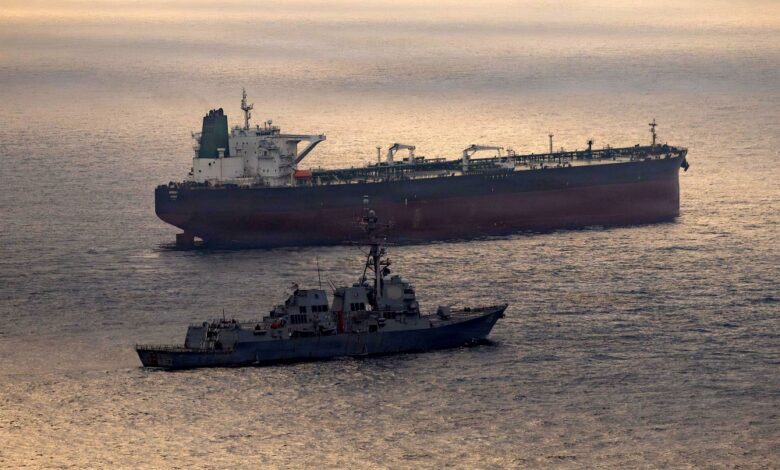
كشفت صور حديثة للأقمار الصناعية عن وجود تسرب نفطي كبير قبالة سواحل جزيرة خارك الإيرانية، التي تعد المحطة الرئيسية لتصدير النفط في البلاد. ووفقًا لتقرير نشرته صحيفة “نيويورك تايمز”، فإن البقعة النفطية استمرت في التوسع لتتجاوز مساحتها 52 كيلومترًا مربعًا (ما يعادل 20 ميلًا مربعًا)، مما يثير مخاوف جدية بشأن كارثة بيئية محتملة في مياه الخليج العربي الحساسة.
وقد تم رصد التسرب لأول مرة قبالة الساحل الغربي للجزيرة، ورغم ضخامة حجمه، لم يتضح على الفور المصدر الدقيق للتسرب أو أسبابه. وأكدت شركة “أوربيتال إي أو إس”، المتخصصة في مراقبة التسربات النفطية عبر الأقمار الصناعية، حجم البقعة المتنامي، مما ينذر بتحديات كبيرة لجهود الاحتواء والتنظيف.
الأهمية الاستراتيجية لجزيرة خارك
تتمتع جزيرة خارك بأهمية استراتيجية واقتصادية قصوى بالنسبة لإيران. فهي ليست مجرد جزيرة، بل هي الركيزة الأساسية لصناعة النفط الإيرانية، حيث يمر عبرها ما يقارب 90% من إجمالي صادرات النفط الخام للبلاد، بحسب تقديرات بنك “جي بي مورغان”. تقع الجزيرة في شمال مضيق هرمز، الممر المائي الحيوي الذي يعبر من خلاله جزء كبير من إمدادات النفط العالمية، مما يجعل أي حادث في محيطها ذا تداعيات تتجاوز الحدود الإيرانية.
تاريخيًا، كانت الجزيرة هدفًا استراتيجيًا خلال حرب الخليج الأولى (الحرب العراقية-الإيرانية) في الثمانينيات، مما يعكس دورها المحوري في اقتصاد وأمن المنطقة. وبالتالي، فإن أي اضطراب في عملياتها، سواء كان ناتجًا عن حادث تقني أو تسرب بيئي، يمكن أن يؤثر على استقرار أسواق الطاقة العالمية.
التأثيرات البيئية والإقليمية المتوقعة
يمثل هذا التسرب النفطي تهديدًا مباشرًا للنظام البيئي البحري الهش في الخليج العربي. تُعرف هذه المنطقة بأنها بحر شبه مغلق، مما يعني أن حركة تجدد المياه فيه بطيئة، وهو ما يجعل الملوثات، خاصة النفط، تبقى لفترات أطول وتتسبب في أضرار بالغة. يمكن أن يؤدي التسرب إلى تدمير الشعاب المرجانية، وموت الأسماك والكائنات البحرية، وتلويث مواطن الطيور البحرية التي تعيش على السواحل.
على الصعيد الإقليمي، تكمن الخطورة في حركة التيارات المائية التي قد تنقل البقعة النفطية إلى سواحل الدول المجاورة مثل الكويت، والمملكة العربية السعودية، والبحرين، وقطر. هذا الأمر لا يهدد الثروة السمكية المشتركة فحسب، بل يشكل خطرًا حقيقيًا على محطات تحلية المياه التي تعتمد عليها هذه الدول بشكل أساسي لتوفير مياه الشرب، مما قد يحول الحادث البيئي إلى أزمة إنسانية واقتصادية أوسع نطاقًا.