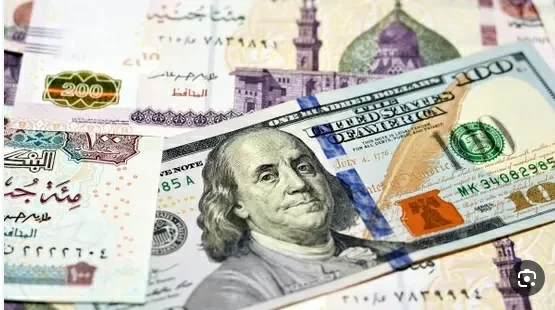

للمرة الأولى: الدولار يكسر حاجز 53 جنيهاً
شهدت الأسواق المصرفية والمالية في مصر تحولاً تاريخياً ملحوظاً، حيث ارتفع سعر صرف الدولار الأمريكي مقابل الجنيه المصري بنسبة بلغت 1.5% خلال تعاملات اليوم. هذا الارتفاع قاد العملة الأمريكية لتتجاوز حاجز 53 جنيهاً في البنوك المصرية للمرة الأولى على الإطلاق، مما أثار تساؤلات واسعة حول الأسباب الكامنة وراء هذا التحرك المفاجئ والتداعيات الاقتصادية المرتقبة.
السياق العام والخلفية التاريخية للحدث
تأتي هذه التطورات في ظل سياسة مرونة سعر الصرف التي يتبناها البنك المركزي المصري، والتي تهدف إلى القضاء على السوق الموازية وضمان تسعير عادل للعملة المحلية بناءً على آليات العرض والطلب. تاريخياً، مر الاقتصاد المصري بعدة محطات من تحرير سعر الصرف، كان أبرزها الإصلاحات الهيكلية التي تمت بالتعاون مع صندوق النقد الدولي، حيث سعت الحكومة المصرية إلى تعزيز تدفقات النقد الأجنبي، وبناء احتياطيات قوية قادرة على امتصاص الصدمات الخارجية وتلبية احتياجات السوق المحلي.
أسباب الارتفاع: التوترات الإقليمية وخروج الأموال الساخنة
يعود السبب الرئيسي وراء هذه الموجة من الارتفاع في سعر الدولار في مصر إلى تصاعد التوترات الجيوسياسية في منطقة الشرق الأوسط، وتحديداً منذ بداية الحرب والتوترات المتعلقة بإيران. هذه الأحداث الإقليمية المتسارعة أدت إلى حالة من عدم اليقين لدى المستثمرين الأجانب، مما أسفر عن زيادة وتيرة تخارج ما يُعرف بـ “الأموال الساخنة” (الاستثمارات الأجنبية غير المباشرة) من السوق الثانوية لأدوات الدين الحكومي المصري. وعادة ما تبحث هذه الأموال عن ملاذات آمنة خلال أوقات الأزمات العالمية والإقليمية، مما يشكل ضغطاً مؤقتاً على السيولة الدولارية في الأسواق الناشئة.
خريطة أسعار صرف الدولار في البنوك المصرية
وفقاً لإحصاءات وتقارير مالية حديثة، تباينت أسعار الصرف داخل القطاع المصرفي المصري. فقد سجل أعلى سعر لصرف الدولار الأمريكي مستوى 53.55 جنيه للشراء مقابل 53.65 جنيه للبيع، وذلك في بنوك: الأهلي الكويتي، الشركة المصرفية العربية الدولية (SAIB)، ميد بنك، التنمية الصناعية، وبيت التمويل الكويتي.
على الجانب الآخر، أظهرت البنوك الحكومية الكبرى أداءً متقارباً، حيث بلغ سعر العملة الأمريكية في البنك الأهلي المصري 53.48 جنيه للشراء و53.58 جنيه للبيع. وفي بنك مصر، سجل الدولار 53.30 جنيه للشراء و53.40 جنيه للبيع. أما لدى البنك المركزي المصري، فقد سجل السعر الرسمي 52.75 جنيه للشراء و52.89 جنيه للبيع.
وفيما يخص أقل أسعار الصرف، فقد جاءت في بنك الإمارات دبي الوطني عند 52.65 جنيه للشراء و52.75 جنيه للبيع، بينما سجلت بنوك الإسكندرية، المصرف العربي الدولي، وفيصل الإسلامي 52.50 جنيه للشراء و52.60 جنيه للبيع.
الأداء السابق للجنيه وتأثير الحدث محلياً وإقليمياً
رغم هذا التراجع الحالي للعملة المحلية، من المهم الإشارة إلى أن الجنيه المصري كان قد اختتم عام 2025 بأداء قوي ومتميز، حيث سجل ارتفاعاً بنسبة 6.7% أمام الدولار منذ بداية العام الماضي. هذا الأداء الإيجابي كان مدعوماً بقفزة قياسية في تحويلات المصريين العاملين بالخارج، بالإضافة إلى استعادة مستويات السيولة الدولارية في القطاع المصرفي.
على الصعيد المحلي، قد يؤدي تجاوز الدولار لمستوى 53 جنيهاً إلى تأثيرات على معدلات التضخم وأسعار السلع المستوردة، إلا أن استقرار القطاع المصرفي يمثل حائط صد قوي. إقليمياً ودولياً، يعكس هذا التحرك مدى تأثر الأسواق الناشئة بالصدمات الجيوسياسية، ويؤكد على أهمية استمرار الدولة في خططها لتعزيز الاستثمار الأجنبي المباشر كبديل مستدام يضمن استقراراً اقتصادياً طويل الأمد.