
المقدمة: النخيل ثروة وطنية وتحديات بيئية مستمرة
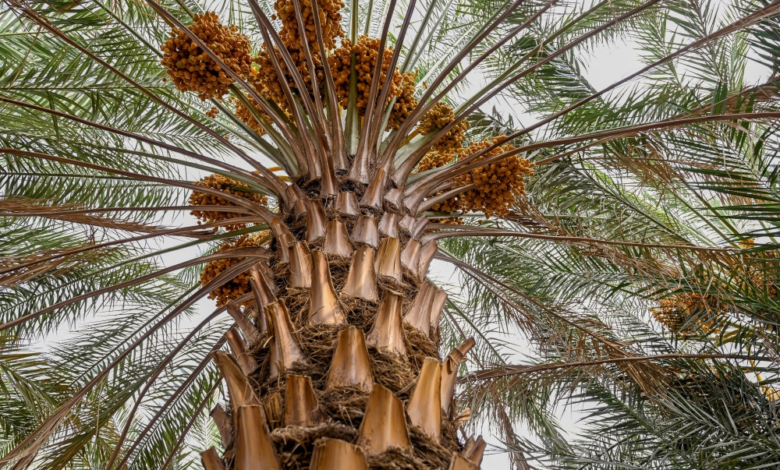
تعتبر شجرة النخيل من أهم الركائز الزراعية والاقتصادية في المملكة العربية السعودية، حيث ترتبط ارتباطاً وثيقاً بالتراث الثقافي والأمن الغذائي. وتعد المملكة من كبار المنتجين والمصدرين للتمور على مستوى العالم. ومع هذا التوسع الزراعي، تبرز تحديات بيئية ومناخية تفرض واقعاً جديداً على المزارعين، من أبرزها الآفات الزراعية التي تنشط في البيئات الجافة، وعلى رأسها آفة «حلم الغبار» التي تشكل تهديداً مباشراً لجودة المحاصيل.
تحذيرات مركز «وقاء» من آفة حلم الغبار
في هذا السياق، أكد المركز الوطني للوقاية من الآفات النباتية والأمراض الحيوانية ومكافحتها «وقاء»، على الأهمية القصوى للاكتشاف المبكر لآفة أكاروس ثمار النخيل، والمعروفة محلياً باسم «حلم الغبار» أو «الغبير». وصنف المركز هذه الآفة ضمن الآفات النباتية ذات الأولوية القصوى، نظراً لما تشكله من خطر حقيقي يهدد إنتاجية وجودة ثمار النخيل في مختلف مناطق المملكة. وشدد المركز على ضرورة المتابعة الدقيقة لأشجار النخيل التي تعرضت للإصابة في المواسم السابقة، مع أهمية رصد الأوراق الحديثة للنخيل المجاور داخل المزرعة، مما يسهم بشكل فعال في الحد من انتشار بؤر الإصابة وتعزيز كفاءة عمليات المكافحة.
الأسباب البيئية والزراعية لتفاقم الآفة
أوضح مركز «وقاء» أن آفة حلم الغبار تنتشر في جميع مناطق المملكة، وتلعب العوامل البيئية دوراً حاسماً في تفاقمها. من أبرز هذه العوامل الجفاف الشديد، وقلة معدلات هطول الأمطار، والرياح المحملة بالأتربة والغبار التي تميز المناخ الصحراوي. إلى جانب ذلك، تساهم الممارسات الزراعية الخاطئة في زيادة انتشار الآفة، مثل تراكم المخلفات الزراعية المصابة، ونمو الحشائش الضارة المحيطة بأشجار النخيل. كما أن استخدام معدات زراعية غير معقمة، واعتماد عمالة غير مدربة تفتقر للالتزام بإجراءات النظافة والوقاية، يعدان من العوامل الرئيسية في نقل العدوى.
أعراض الإصابة وتأثيرها الاقتصادي
وحول كيفية التعرف على الإصابة، بيّن المركز أن الأعراض تبدأ بظهور خدوش وتغيرات لونية واضحة على الثمار، حيث تميل إلى اللون الأحمر الفاتح أو البني. ومع تقدم الإصابة، تزداد سماكة قشرة الثمرة وتتعرض للتقرح، مما يؤدي في النهاية إلى تيبس الثمار وتصلبها. هذا التصلب يمنع الثمرة من النمو الطبيعي ويحول دون اكتمال نضجها، وهو ما ينعكس سلباً وبشكل مباشر على جودة المحصول وقيمته الاقتصادية، مما يقلل من فرص تصدير التمور للأسواق العالمية ويؤثر على دخل المزارعين.
طرق انتقال العدوى واستراتيجيات المكافحة
أشار المركز إلى أن مصادر انتشار الآفة متعددة، وتشمل انتقالها عبر المعدات والعمالة الزراعية، والاحتكاك بالأشجار أو العذوق المصابة، فضلاً عن بقايا المحاصيل المتروكة في الحقل. وتلعب الرياح دوراً كبيراً في نشر حلم الغبار لمسافات بعيدة، خصوصاً خلال فترات الجفاف. ولمواجهة ذلك، دعا «وقاء» المزارعين إلى تطبيق برامج المكافحة المتكاملة، والتي تبدأ بالفحص الدوري، والتخلص الآمن من الحشائش والمخلفات، واستخدام معدات نظيفة. كما يُنصح بالرش الوقائي باستخدام الكبريت الميكروني مع إضافة المواد اللاصقة المناسبة لضمان فعالية العلاج.
الأمن الغذائي والاستدامة الزراعية
في حال تأكد رصد الإصابة، يوصي الخبراء باستخدام المبيدات الأكاروسية المتخصصة تحت إشراف هندسي مختص، مع ضرورة رش الأشجار المصابة وقائياً خلال الموسم اللاحق، وتحديداً في فترة الشتاء بعد انتهاء موسم الصرام (الحصاد). وختاماً، أكد المركز أن تعزيز وعي المزارعين وتطبيق الممارسات الزراعية السليمة يمثلان خط الدفاع الأول لحماية قطاع النخيل. إن المحافظة على هذه الثروة النباتية الوطنية لا يقتصر على حماية دخل المزارع فحسب، بل ينسجم تماماً مع مستهدفات رؤية المملكة 2030 في تحقيق الأمن الغذائي، وتعزيز الاستدامة الزراعية، ورفع حجم الصادرات غير النفطية.