
أحكام إعدام حوثية جديدة في صنعاء
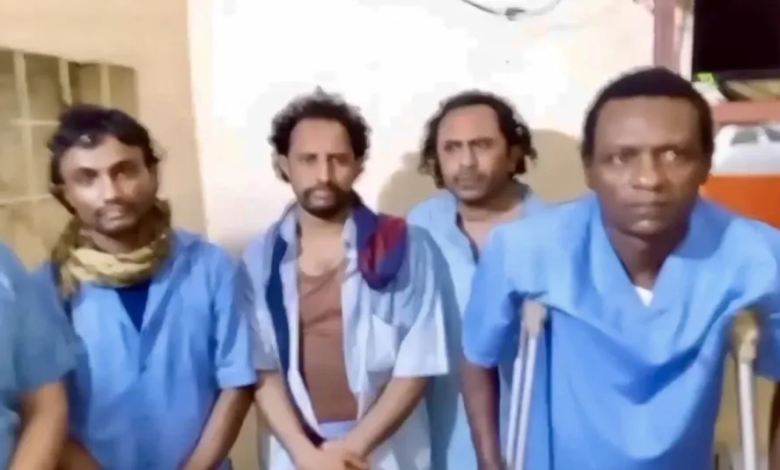
أصدرت المحاكم الخاضعة لسيطرة جماعة الحوثي في العاصمة اليمنية صنعاء أحكاماً بالإعدام بحق 19 مواطناً يمنياً، وذلك بتهمة التعاون والقتال في صفوف القوات التابعة للحكومة اليمنية الشرعية المعترف بها دولياً. وتأتي هذه الأحكام في سياق سلسلة من المحاكمات التي تصفها المنظمات الحقوقية والحكومة الشرعية بأنها مسيسة وتفتقر إلى أدنى معايير العدالة والشفافية، حيث تُستخدم المحاكم كأداة لتصفية الحسابات السياسية.
السياق العام والخلفية التاريخية للحدث
منذ اندلاع النزاع في اليمن أواخر عام 2014، إثر سيطرة جماعة الحوثي على العاصمة صنعاء ومؤسسات الدولة، شهدت البلاد أزمة سياسية وإنسانية غير مسبوقة. وقد عمدت جماعة الحوثي إلى استخدام الجهاز القضائي، وتحديداً المحكمة الجزائية المتخصصة بقضايا الإرهاب وأمن الدولة في صنعاء، كأداة لقمع المعارضين السياسيين، والناشطين، والصحفيين، والعسكريين الموالين للحكومة الشرعية.
وعلى مدار السنوات الماضية، صدرت مئات الأحكام بالإعدام والسجن لفترات طويلة بحق مدنيين وعسكريين بتهم فضفاضة مثل “التخابر مع دول العدوان” أو “إعانة العدو”، وهي تهم تُوجه عادة لكل من يعارض سياسات الجماعة. وتؤكد التقارير الصادرة عن الأمم المتحدة والمنظمات الحقوقية الدولية، مثل منظمة العفو الدولية وهيومن رايتس ووتش، أن هذه المحاكمات تفتقر إلى الإجراءات القانونية السليمة، حيث يُحرم المتهمون من حقهم في الدفاع، وتُنتزع اعترافاتهم تحت طائلة التعذيب والإخفاء القسري لفترات طويلة قبل عرضهم على المحاكم.
أهمية الحدث وتأثيره المتوقع محلياً وإقليمياً ودولياً
على الصعيد المحلي: تزيد هذه الأحكام من تعقيد المشهد اليمني وتعمق الجراح الاجتماعية، حيث تهدف إلى بث الرعب والخوف في أوساط المواطنين في مناطق سيطرة الحوثيين لمنع أي شكل من أشكال المعارضة. كما أن هذه الخطوات تعرقل بشكل مباشر جهود بناء الثقة بين الأطراف اليمنية، وتضع عراقيل إضافية أمام ملف تبادل الأسرى والمختطفين الذي يُعد أحد أهم الملفات الإنسانية في الأزمة اليمنية.
على الصعيد الإقليمي والدولي: يمثل إصدار أحكام الإعدام الجماعية تحدياً صارخاً للجهود الإقليمية والدولية الرامية إلى إحلال السلام في اليمن. وتعمل الأمم المتحدة عبر مبعوثها الخاص على محاولة إرساء هدنة دائمة والوصول إلى تسوية سياسية شاملة، إلا أن استمرار الانتهاكات الحقوقية واستخدام القضاء لتصفية الحسابات السياسية يقوض هذه المساعي ويقلص من فرص نجاح المفاوضات.
علاوة على ذلك، تثير هذه الأحكام موجة من التنديد الدولي، حيث تطالب الدول الكبرى والمنظمات الإنسانية بضرورة التدخل العاجل لوقف تنفيذ هذه الأحكام الجائرة، وضمان حماية المدنيين والمحتجزين وفقاً لاتفاقيات جنيف والقانون الدولي الإنساني. وتدعو الحكومة اليمنية الشرعية باستمرار المجتمع الدولي ومجلس الأمن إلى تحمل مسؤولياتهم القانونية والأخلاقية تجاه هذه الانتهاكات، والضغط على جماعة الحوثي لإلغاء هذه الأحكام والإفراج الفوري عن كافة المختطفين والمخفيين قسراً دون قيد أو شرط، مؤكدة أن الأحكام الصادرة عن محاكم فقدت صفتها الدستورية تُعد باطلة ولا يترتب عليها أي أثر قانوني.