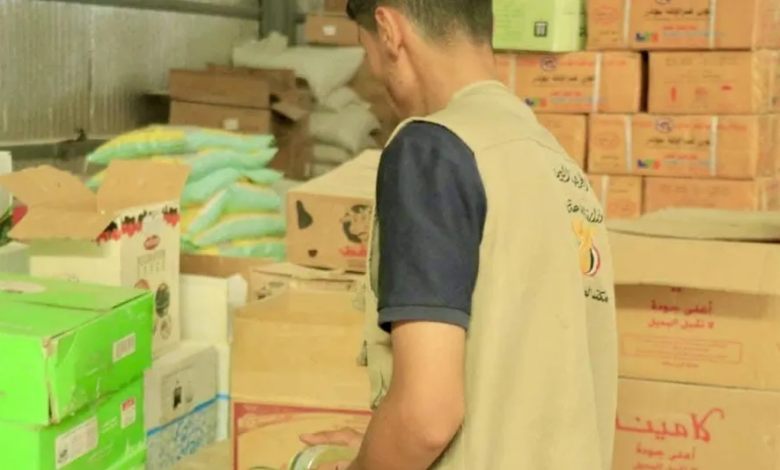

في ظل التحديات الاقتصادية المتزايدة، تكثف الحكومة اليمنية جهودها بشكل غير مسبوق لضبط الأسواق المحلية ومنع الغلاء الفاحش الذي يثقل كاهل المواطنين. تأتي هذه التحركات العاجلة استجابة للتقلبات السعرية الحادة التي شهدتها السلع الأساسية والاستهلاكية مؤخراً، حيث تسعى الجهات المعنية، وفي مقدمتها وزارة الصناعة والتجارة، إلى تفعيل آليات الرقابة الصارمة، وتسيير حملات تفتيش ميدانية مكثفة لضبط المخالفين والمحتكرين، وضمان استقرار سلاسل الإمداد الغذائي في مختلف المحافظات.
السياق العام والخلفية التاريخية للأزمة الاقتصادية في اليمن
لفهم أهمية هذه الإجراءات، يجب النظر إلى السياق التاريخي والاقتصادي المعقد الذي يمر به اليمن. منذ اندلاع النزاع المسلح في أواخر عام 2014، تعرض الاقتصاد اليمني لصدمات عنيفة أدت إلى انكماش حاد في الناتج المحلي الإجمالي. وقد تسبب الصراع في انقسام المؤسسات المالية، وعلى رأسها البنك المركزي اليمني، مما أدى إلى تدهور تاريخي في قيمة الريال اليمني مقابل العملات الأجنبية. هذا التدهور المستمر في قيمة العملة الوطنية انعكس بشكل مباشر وفوري على أسعار السلع المستوردة، والتي يعتمد عليها اليمن بنسبة تتجاوز 90% لتلبية احتياجاته الغذائية الأساسية مثل القمح والأرز والسكر وزيوت الطبخ. بالإضافة إلى ذلك، أدت التوترات الجيوسياسية في المنطقة واضطرابات سلاسل التوريد العالمية إلى زيادة تكاليف الشحن والتأمين، مما ضاعف من الأعباء المفروضة على المستهلك اليمني وجعل من مسألة الأمن الغذائي تحدياً يومياً يهدد ملايين الأسر.
أهمية الحدث وتأثيره المتوقع محلياً
على الصعيد المحلي، تكتسب تحركات الحكومة اليمنية لضبط الأسواق أهمية بالغة في التخفيف من وطأة الأزمة الإنسانية. إن نجاح هذه الحملات الرقابية في كبح جماح التضخم ومنع التلاعب بالأسعار سيساهم بشكل مباشر في حماية القدرة الشرائية للمواطنين، وخاصة الفئات الأشد ضعفاً وذوي الدخل المحدود. كما أن فرض هيبة الدولة وتطبيق القانون على التجار المخالفين يعزز من ثقة الشارع اليمني في المؤسسات الحكومية، ويحد من الممارسات التجارية غير المشروعة مثل الاحتكار وإخفاء السلع الحيوية لافتعال أزمات نقص المعروض بهدف التربح غير المشروع.
التأثير الإقليمي والدولي لجهود الاستقرار الاقتصادي
إقليمياً ودولياً، لا يمكن فصل الاستقرار الاقتصادي في اليمن عن الجهود الأوسع لإحلال السلام والأمن في المنطقة. إن منع الانهيار الاقتصادي الشامل والحد من معدلات الغلاء يتوافق تماماً مع أهداف المنظمات الدولية والإنسانية، مثل برنامج الأغذية العالمي والأمم المتحدة، التي تسعى جاهدة لمنع انزلاق البلاد نحو مجاعة شاملة. علاوة على ذلك، فإن تحسين البيئة الاقتصادية المحلية يعطي إشارات إيجابية للدول المانحة والمجتمع الدولي حول جدية الحكومة في تنفيذ إصلاحات هيكلية وإدارية، مما قد يمهد الطريق لتدفق المزيد من المساعدات المالية والودائع الإقليمية التي تدعم استقرار العملة. في النهاية، يظل ضبط الأسواق خطوة ضرورية ضمن مسار طويل يتطلب تكاتف الجهود المحلية والدولية لإنعاش الاقتصاد اليمني وضمان مستقبل أكثر استقراراً.